

Diesel Prices Exceed Historic $6 a Gallon as Iran War Intensifies
Diesel prices are soaring in the U.S. The national average reached $6.2694 per gallon on September 15, 2026, according to AAA. This marks the highest nominal national diesel price the organization has ever recorded. The increase has happened at remarkable speed. AAA data showed diesel at about $5.90 just one week earlier, $5.44 a month earlier, and $3.69 a year earlier. That puts today’s price roughly 70% above the level from September 2025.
California drivers face an even steeper bill, with average diesel prices above $8 per gallon. For truckers filling tanks that hold well over 100 gallons, even a modest increase creates a serious expense. At current prices, a single fill can easily cost hundreds of dollars more than it did last year.
The biggest pressure comes from a global fuel market already struggling with several disruptions at once. The Iran war has damaged normal oil flows through the Middle East, while attacks on energy infrastructure elsewhere have tightened supplies of diesel and other refined products.
The Iran War Is Squeezing a Critical Oil Route

The Post / The Strait of Hormuz connects the Persian Gulf with global shipping routes and normally carries huge volumes of crude oil and petroleum products from major Middle Eastern producers.
The war has severely disrupted traffic through the strait. Recent attacks on ships and energy infrastructure have kept traders worried about how much oil can reliably reach global markets. Those concerns have helped push crude prices back above $100 per barrel.
Fresh attacks have added more pressure. Reuters reported that a Saudi oil pipeline was targeted as the conflict spread, while instability around other major shipping routes increased fears about further supply losses.
Diesel feels those disruptions quickly because crude oil is only the starting point. Refineries must turn crude into diesel, gasoline, jet fuel, and other products. A shortage of available refining capacity can therefore keep diesel expensive even when additional crude becomes available.
Russia has created another major supply problem. Ukrainian drone attacks have damaged or disrupted several large Russian refineries. Reuters reported that half of Russia’s leading diesel-producing refineries had reduced output following repeated attacks.
Moscow has also restricted exports of diesel and other fuels as it tries to protect domestic supplies. Before those restrictions, Russia exported millions of tons of diesel and gasoil each month, making any significant reduction important for the global market.
Record Diesel Prices Can Reach the Grocery Aisle
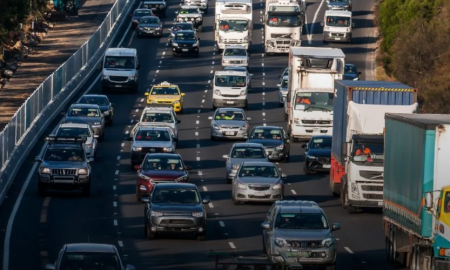
Most Americans never buy diesel directly, but nearly everyone pays for it indirectly. Trucks carry food, clothing, appliances, construction materials, packages, and countless other products across the country every day. When diesel jumps by several dollars per gallon, freight companies face a much larger operating bill.
Those costs can eventually travel through the supply chain, moving from carriers to distributors, retailers, and consumers.
Food is especially sensitive because grocery supply chains move constantly. Fresh meat, seafood, dairy products, fruit, and vegetables require regular deliveries, and many products travel in refrigerated trucks that use additional fuel.
The Independent Grocers Alliance has estimated that transportation and fuel can represent a meaningful share of food costs. A sustained diesel spike therefore creates another source of pressure for supermarkets already dealing with labor, packaging, refrigeration, and wholesale expenses.
Smaller trucking companies face a particularly difficult problem. Many carriers use fuel surcharges to recover part of the difference when diesel prices rise. Those systems can soften the impact, but reimbursement is not always immediate or complete.
The $6 Record Comes With an Important Catch

Olly / Pexels / Diesel reached about $4.74 per gallon before the 2008 financial crisis, which would equal considerably more in today’s dollars.
The previous nominal record came in 2022, when diesel approached $5.82 per gallon. Adjusted for inflation, that price would also be higher today. The 2026 record is still significant, but calling it the most expensive diesel in American history without that context would overstate the comparison.
The current increase also raises concerns about broader inflation. Diesel sits deep inside the cost structure of the economy because businesses use it to move products, operate equipment, and provide services.
However, those effects do not necessarily appear on store shelves overnight. Freight contracts, fuel surcharges, inventories, and competition can delay price increases. Businesses may also absorb some of the added expense rather than passing every dollar directly to customers.
More inDriving
-
`
 Auto.m Autonomous Taxi Concept Wins 2026 Red Dot Award
Cities are exploring new ways to improve transportation as demand grows for cleaner, smarter, and more convenient mobility solutions. Autonomous vehicles...
August 1, 2026 -
`
 Olympic Cyclist Pleads Guilty to Driving While Banned After Crash That Killed His Wife
Former Olympic cyclist Rohan Dennis has admitted to driving while disqualified, adding another chapter to a case that has drawn attention...
July 30, 2026 -
`
 Tesla’s Miami Robotaxi Launch Is Big News, but Will It Lift TSLA Stock?
Tesla continues to attract attention from both active traders and long-term investors, making TSLA one of the most closely watched stocks...
July 26, 2026 -
`
 All the Reasons Why You Shouldn’t Blindly Follow AI Money Advice
Artificial intelligence has quickly become part of everyday life. People now use AI to write emails, plan vacations, answer questions, and...
July 24, 2026 -
`
 Financial Advice From Millionaires That Could Actually Hurt Your Wallet
Money advice from millionaires often sounds convincing because it comes from people who have already built wealth. Still, success does not...
July 19, 2026 -
`
 Do You Really Need Rental Car Insurance? A Deeper Look
Renting a car feels simple until the person at the counter starts asking about insurance. Many travelers freeze at that moment...
July 17, 2026 -
`
 What Qualifies a Vehicle for Classic Car Insurance?
Owning a classic car is about more than preserving an older vehicle. Many enthusiasts appreciate vintage automobiles because they are easier...
July 12, 2026 -
`
 NHTSA Launches ‘Special Investigation’ After Fatal Tesla Crash Into Texas Home
A deadly Tesla crash in Texas is now at the center of a federal safety investigation. The U.S. National Highway Traffic...
July 8, 2026 -
`
 “Grand Theft Auto VI” Cover Art Revealed
Rockstar Games gave fans a fresh look at “Grand Theft Auto VI” after releasing the game’s official cover art on Thursday....
July 5, 2026
More From CashRoadster
-
 Why ‘Moneymaxxing’ Can Boost Your Savings but Going Too Far Can Cost You More Than It Saves!
Saving money has a new social media name, and it sounds much more exciting than balancing a budget. The trend is...
AdviceOctober 15, 2026 -
 Simone Biles Says Three Masked Men Stole Her Six-Figure Porsche
Simone Biles has shared details about a frightening incident that happened during her final months in Chicago. The Olympic gold medalist...
AdviceOctober 10, 2026 -
 How to Lower Your Car Insurance Premium Without Dropping Essential Coverage?
Car insurance can feel painfully expensive, especially when your driving record has not changed. You renew the same policy, drive the...
Car InsuranceOctober 8, 2026 -
 California Proposes New Auto Insurance Rules for Single Drivers
California drivers could see a change in how auto insurance companies set premiums. Insurance Commissioner Ricardo Lara has announced a proposed...
Car InsuranceOctober 4, 2026 -
 Credit Acceptance Pays $710 Million to Settle Predatory Auto Lending Claims
One of America’s largest subprime auto lenders has agreed to a massive settlement over allegations that it put financially vulnerable drivers...
Auto NewsOctober 1, 2026
You must be logged in to post a comment Login