
NHTSA Launches ‘Special Investigation’ After Fatal Tesla Crash Into Texas Home
A deadly Tesla crash in Texas is now at the center of a federal safety investigation. The U.S. National Highway Traffic Safety Administration, better known as the NHTSA, has opened a Special Crash Investigation after a Tesla Model 3 slammed into a home in Katy, Texas, killing a 76-year-old woman inside.
The tragic crash has raised fresh questions about Tesla’s driver assistance technology and how it performs in real-world situations. Investigators are now reviewing vehicle data, driver actions, and the circumstances leading up to the collision. While the investigation is still underway, the case has already drawn nationwide attention because it comes as Tesla continues expanding its advanced driving technology.
What Happened in the Deadly Texas Crash?
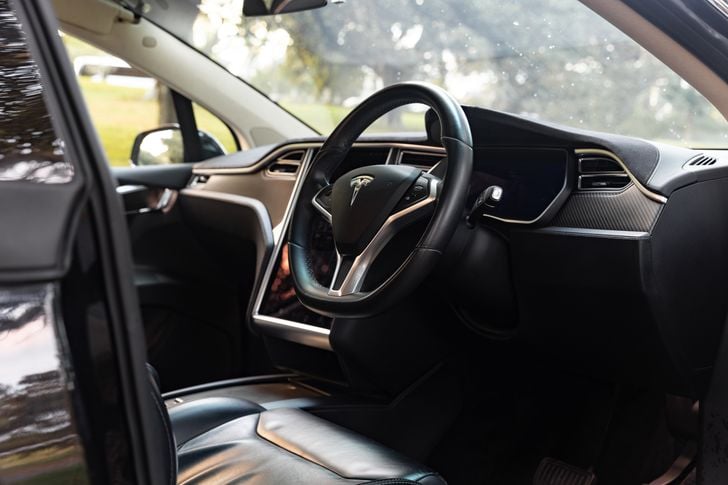
Raim / Pexels / The fatal crash happened on June 19 in Katy, a suburb west of Houston.
According to local authorities, the Tesla Model 3 suddenly left the roadway, crossed a front yard, and crashed directly into a brick home. The impact was so powerful that the vehicle tore through the exterior wall and entered the house.
Inside the home was 76-year-old Martha Avila. She suffered fatal injuries after the Tesla struck the residence. Emergency crews responded quickly, but she could not be saved. The crash also caused extensive structural damage, leaving the vehicle lodged inside the home.
The driver, identified as 44-year-old Michael Butler, survived the crash and was transported to a nearby hospital. Authorities said he was not under the influence of alcohol or drugs at the time of the collision. Investigators also confirmed that he has been cooperating throughout the investigation.
According to investigators, Butler told law enforcement that Tesla’s automated driving feature had been activated before the crash. That statement prompted the NHTSA to launch one of its most detailed types of crash investigations.
At this stage, officials have not determined if Tesla’s technology contributed to the collision. Investigators stress that the driver’s statement is “only one piece of evidence.”
Why the NHTSA is Taking a Closer Look?
The NHTSA does not conduct a Special Crash Investigation after every fatal traffic accident. These investigations are typically reserved for crashes involving emerging vehicle technology, potential safety defects, or incidents that may affect public safety on a larger scale.
Because the driver reported using Tesla’s driver assistance system, federal investigators want to understand exactly how the vehicle behaved before impact. Engineers will examine data stored inside the Tesla, inspect the damaged vehicle, review surveillance footage, and analyze evidence collected from the crash scene.
Investigators will also study the driver’s actions during the final moments before the collision. One important question is whether the automated driving system remained engaged or if the driver had already taken full control before the crash occurred.
Tesla has publicly maintained that its driver assistance systems require “constant human supervision.” The auto giant says drivers must stay alert and be prepared to take over at any time. Those warnings are included in the vehicle’s operating instructions and displayed while the system is active.
The investigation also comes during an important period for Tesla. The company continues expanding its ‘Full Self-Driving Supervised’ software while introducing robotaxi services in selected markets.
Tesla Responds as Lawsuit Proceeds
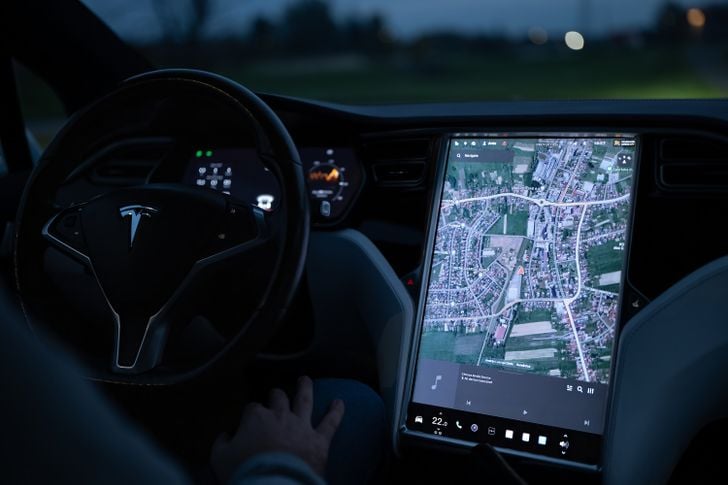
Vlad / Pexels / Ashok Elluswamy, Tesla’s head of artificial intelligence, said vehicle data indicates the driver fully pressed the accelerator pedal shortly before impact.
According to his statement, that action manually overrode the automated driving system. Elluswamy also stated that the Tesla reached approximately 73 mph before striking the home. He said the accelerator remained fully depressed throughout the collision.
Tesla CEO Elon Musk also commented publicly on the incident. He said Tesla’s Full Self-Driving system would normally reduce speed in a residential neighborhood instead of accelerating. Musk suggested the available evidence points toward “driver input” rather than a software failure.
Meanwhile, Martha Avila’s family has filed a wrongful death lawsuit against both Tesla and the driver. The lawsuit claims Tesla’s Autopilot and Full Self-Driving technologies were defective and failed to prevent the deadly crash. The family is seeking more than $1 million in damages, along with additional punitive damages that could be awarded by the court.
Tesla has not yet filed a formal legal response to the lawsuit.
More inAuto News
-
`
 Why Removing Chinese Hardware Could Disrupt the U.S. Auto Industry
The U.S. auto industry is entering a new chapter. This time, the challenge is not electric vehicles, battery technology, or self-driving...
August 6, 2026 -
`
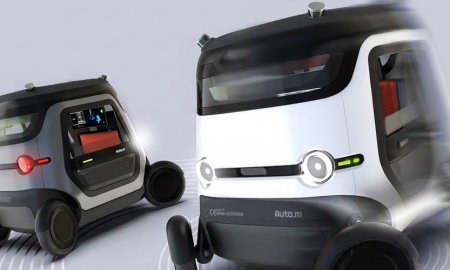 Auto.m Autonomous Taxi Concept Wins 2026 Red Dot Award
Cities are exploring new ways to improve transportation as demand grows for cleaner, smarter, and more convenient mobility solutions. Autonomous vehicles...
August 1, 2026 -
`
 Olympic Cyclist Pleads Guilty to Driving While Banned After Crash That Killed His Wife
Former Olympic cyclist Rohan Dennis has admitted to driving while disqualified, adding another chapter to a case that has drawn attention...
July 30, 2026 -
`
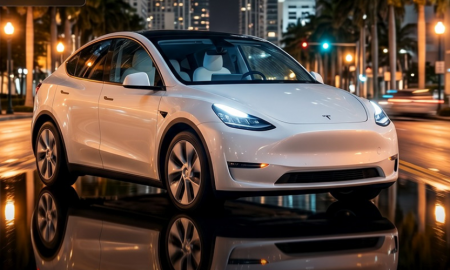 Tesla’s Miami Robotaxi Launch Is Big News, but Will It Lift TSLA Stock?
Tesla continues to attract attention from both active traders and long-term investors, making TSLA one of the most closely watched stocks...
July 26, 2026 -
`
 All the Reasons Why You Shouldn’t Blindly Follow AI Money Advice
Artificial intelligence has quickly become part of everyday life. People now use AI to write emails, plan vacations, answer questions, and...
July 24, 2026 -
`
 Financial Advice From Millionaires That Could Actually Hurt Your Wallet
Money advice from millionaires often sounds convincing because it comes from people who have already built wealth. Still, success does not...
July 19, 2026 -
`
 Do You Really Need Rental Car Insurance? A Deeper Look
Renting a car feels simple until the person at the counter starts asking about insurance. Many travelers freeze at that moment...
July 17, 2026 -
`
 What Qualifies a Vehicle for Classic Car Insurance?
Owning a classic car is about more than preserving an older vehicle. Many enthusiasts appreciate vintage automobiles because they are easier...
July 12, 2026 -
`
 “Grand Theft Auto VI” Cover Art Revealed
Rockstar Games gave fans a fresh look at “Grand Theft Auto VI” after releasing the game’s official cover art on Thursday....
July 5, 2026
More From CashRoadster
-
 Why ‘Moneymaxxing’ Can Boost Your Savings but Going Too Far Can Cost You More Than It Saves!
Saving money has a new social media name, and it sounds much more exciting than balancing a budget. The trend is...
AdviceOctober 15, 2026 -
 Simone Biles Says Three Masked Men Stole Her Six-Figure Porsche
Simone Biles has shared details about a frightening incident that happened during her final months in Chicago. The Olympic gold medalist...
AdviceOctober 10, 2026 -
 How to Lower Your Car Insurance Premium Without Dropping Essential Coverage?
Car insurance can feel painfully expensive, especially when your driving record has not changed. You renew the same policy, drive the...
Car InsuranceOctober 8, 2026 -
 California Proposes New Auto Insurance Rules for Single Drivers
California drivers could see a change in how auto insurance companies set premiums. Insurance Commissioner Ricardo Lara has announced a proposed...
Car InsuranceOctober 4, 2026 -
 Credit Acceptance Pays $710 Million to Settle Predatory Auto Lending Claims
One of America’s largest subprime auto lenders has agreed to a massive settlement over allegations that it put financially vulnerable drivers...
Auto NewsOctober 1, 2026
You must be logged in to post a comment Login