
New California Bill May Offer Cheaper Car Insurance for Safe Drivers
Car insurance costs have climbed sharply for many drivers, and California lawmakers are now debating a new approach that could change how premiums are calculated. A proposed bill would allow insurance companies to use driving data, such as speed patterns, braking habits, and phone use behind the wheel, to determine rates for drivers who choose to participate.
Supporters say the idea could reward safer driving habits and help some motorists lower their insurance costs. Critics, however, warn that the plan could create privacy concerns by allowing insurers and technology companies to collect detailed information about people’s daily driving behavior.
The debate centers on a simple question: Should drivers trade some privacy for the possibility of cheaper insurance?
California Bill May Change Insurance Rates
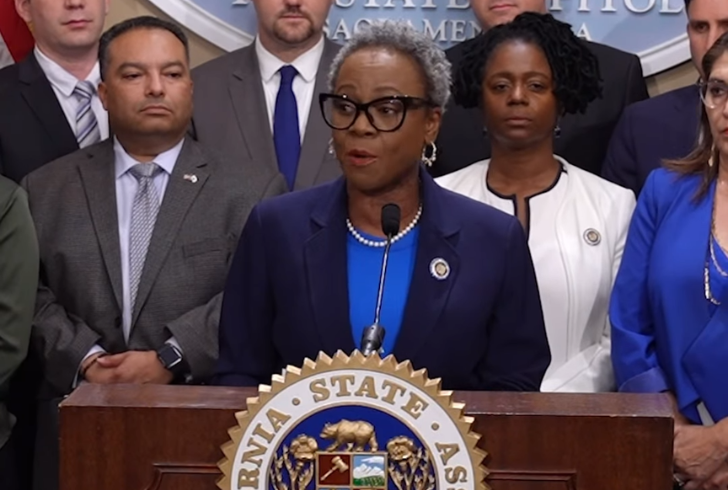
Instagram | asmtinamckinnor |Tina McKinnor introduced the Consumer Driving Data Protection Act to address personal traffic safety concerns.
Assemblymember Tina McKinnor, a Democrat from Hawthorne, introduced the Consumer Driving Data Protection Act after personal experiences with traffic safety issues. After losing three friends in auto accidents, McKinnor became involved in efforts focused on reducing dangerous driving and improving road safety.
The proposed legislation would allow drivers to voluntarily share driving data with insurance companies through telematics technology. This technology can monitor behaviors such as:
1. Speeding patterns
2. Hard braking
3. Rapid acceleration
4. Distracted driving
5Phone handling while driving
Insurance companies could use this information to create a safety score and consider it when setting premiums. Drivers who demonstrate safer habits could potentially qualify for lower rates.
The current system in California relies mainly on the Department of Motor Vehicles’ point system, which considers traffic violations and accidents. Drivers who do not want to share their driving data would continue using the existing method.
What Is Telematics-Based Car Insurance?
Telematics insurance uses technology to collect information about driving behavior. Insurance companies can gather data through smartphone applications, vehicle devices, or small tracking systems installed in cars.
The technology has become common in many states, but California has remained an exception. The state currently does not allow telematics data to directly influence personal auto insurance rates.
Under the proposed bill, insurers would likely collect driving information for about six months and use those results when calculating premiums for the following six-month period. Drivers would also have the ability to review the information and challenge inaccurate records.
Supporters believe this system gives drivers more control over their insurance costs because premiums would reflect actual driving habits instead of only past mistakes.
Safer Driving Could Lower Premiums
Insurance companies and road safety groups argue that telematics can provide a clearer picture of driving risk. They believe a driver who has improved their habits should have a chance to prove that improvement.
McKinnor said the goal is to encourage safer behavior rather than create a new source of revenue.
“For me, this is a way to incentivize to slow people down,” McKinnor said. “If 10 people opt in and slow down, and if we could save 10 lives, that will make me extremely happy.”
Insurance industry representatives also say fewer accidents could reduce claim costs. Allison Adey, a lobbyist for the Personal Insurance Federation of California, said the program could focus on reducing crashes instead of simply increasing insurance company profits.
“I don’t view it as a moneymaker as much as a money saver, because if there are fewer claims and fewer accidents, that changes the payout structure,” Adey said.
Privacy Concerns Over Driver Tracking
Consumer privacy advocates have raised concerns about how much personal information insurers and technology companies could collect.
Carmen Balber, executive director of Los Angeles-based Consumer Watchdog, argues that the bill could pressure drivers to choose between protecting their privacy and receiving affordable insurance rates.
“This bill forces Californians to choose between their privacy and affordable auto insurance,” Balber said.
Privacy groups are concerned about how companies store, share, and protect driving data. Past incidents involving consumer information have increased those concerns.
In 2025, General Motors agreed to pay $12.75 million to resolve violations of California’s Consumer Privacy Act after allegations that it shared driving information from customers who used its OnStar roadside assistance and navigation services with data brokers without proper notice or consent.
Although the proposed legislation prohibits selling collected driving data, critics believe some loopholes could still allow information to be shared.
California Insurance Rules Spark Debate
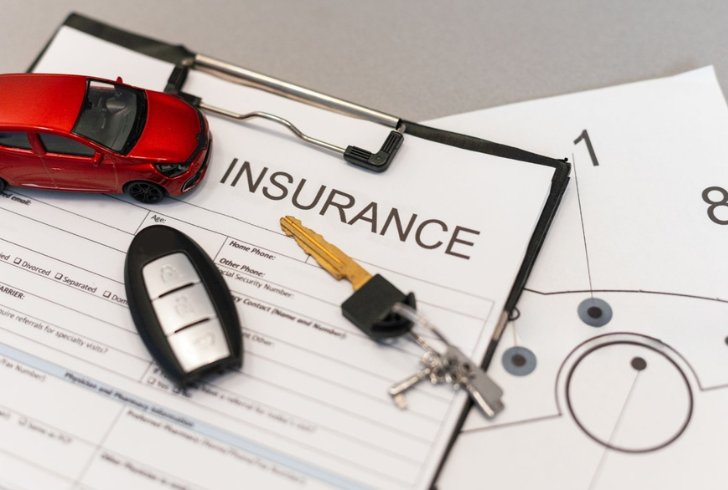
Freepik | California auto insurance rates have jumped over 30% since 2022, spiking costs for drivers.
California’s insurance system has been shaped by Proposition 103, a law approved by voters in 1988. The law requires insurers to base rates mainly on factors such as driving records, years of experience, and annual mileage.
Any changes to Proposition 103 require a two-thirds vote from the state Legislature and must continue supporting the law’s goals.
California remains the only state that does not allow telematics-based information to influence personal auto insurance rates, even though similar programs have existed for more than 20 years in other parts of the country.
The proposed bill could open California’s large auto insurance market, which includes more than 27 million licensed drivers, to a growing telematics industry.
Research firm Grand View Research estimates the global telematics market could generate more than $92 billion in revenue in 2026 and grow to around $270 billion by 2033.
Rising Insurance Costs Drive New Ideas
The discussion comes as many California drivers face higher insurance bills. Rates from the largest auto insurers in the state have increased by more than 30% since 2022, according to S&P Capital IQ.
Insurance companies point to several reasons behind rising costs, including more expensive vehicle repairs, higher replacement part prices, heavier and more complex vehicles and increased accident severity.
Government data shows that traffic deaths declined last year both in California and nationwide, but insurers continue to deal with rising claim expenses.
A.M. Best, an insurance rating agency, reported that insurers are increasing investments in telematics, data analysis, and artificial intelligence to better predict driving risks and set insurance prices.
Telematics Research Shows Mixed Results
Studies on telematics insurance have produced different results. Some research suggests that tracking programs can encourage safer driving, while others question whether they significantly reduce crashes.
A study from the Maryland Insurance Administration found that in 2023, 31.2% of drivers enrolled in telematics programs received lower insurance rates. About 23.6% saw their rates increase, while 45.2% experienced no change.
Supporters of the California bill have also referenced studies showing reductions in unsafe driving behavior. One study published in the medical journal JAMA examined telematics-based safety programs, although it received funding from insurance-related sources and government agencies.
Ryan McMahon, senior vice president at Cambridge Mobile Telematics, said telematics programs are often misunderstood. He said the proposed legislation focuses only on driving behavior and includes protections that allow regulators to review company practices.
“There’s a number of high-level things that people are opposed to in principle that are not represented in the language,” McMahon said.
Fairness Concerns Among Drivers
One concern involves whether the program could create an unfair situation. Consumer Watchdog argues that drivers with poor records could receive discounts through tracking programs while safer drivers who refuse monitoring may pay more.
Balber said the system could replace traditional driving records with scores created through company algorithms.
“It rips out Prop. 103’s good-driver protections and replaces your actual driving record with a black-box score built on sweeping data collection,” Balber said.
Insurance representatives disagree and suggest that separate risk groups could prevent safer drivers from covering discounts given to tracked drivers.
Another debate involves whether people who volunteer for tracking programs are already safer drivers. Chris Draghi, a director at A.M. Best, said voluntary participation could affect study results because cautious drivers may be more likely to join these programs.
Road Safety Groups Back the Plan
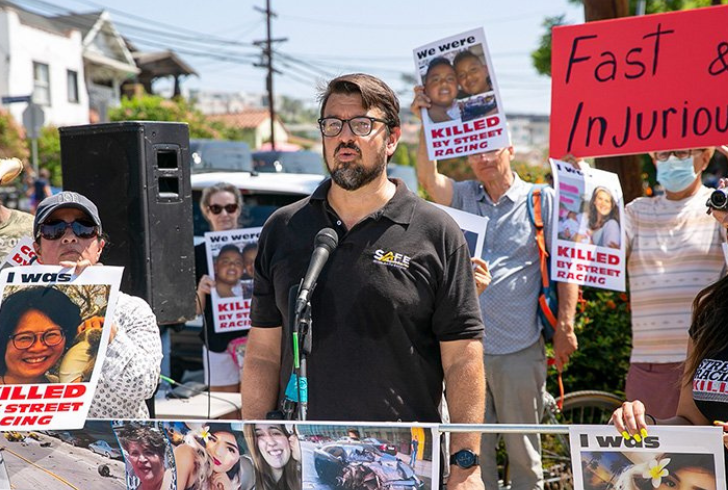
Instagram | streetsareforeveryone | “Streets Are For Everyone” founder Damian Kevitt supports incentivizing distraction-free driving.
Damian Kevitt, founder of Streets Are For Everyone, is among the supporters of the legislation. The group is also a co-sponsor of the bill.
Kevitt lost his right leg in a 2013 hit-and-run crash while riding his bicycle in Griffith Park. A vehicle struck him and dragged him down a freeway onramp before leaving the scene.
Although he does not know exactly what caused the collision, Kevitt believes programs that encourage safer driving could help prevent future crashes.
“We know that texting and driving causes traffic collisions, so having something that’s an incentive as opposed to a penalty to incentivize you to drive safer — that’s a no-brainer,” he said.
The Future of Driver Tracking in California
The Consumer Driving Data Protection Act has passed two California Senate committee hearings, but lawmakers have not approved it yet. The state Department of Insurance has raised concerns about oversight, vendor responsibility, and new regulatory duties.
The department believes the bill could move some responsibilities from insurance companies to telematics providers. Officials also worry that the state may not have enough control over companies that manage driver data.
McKinnor said she is working with officials to make changes that address these concerns.
“They gave me, like, 15 or 20 pages of amendments. I believe we will get there,” McKinnor said.
California’s proposed telematics insurance bill could change how drivers pay for coverage. The plan may help some careful drivers lower their premiums. At the same time, it raises concerns about privacy, data security, and fair pricing.
As insurance costs rise, lawmakers must find a balance between personalized rates and protecting driver information. The final decision could affect millions of California motorists and shape how insurance companies use driving data in the future.
More inCar Insurance
-
`
 Tesla’s Miami Robotaxi Launch Is Big News, but Will It Lift TSLA Stock?
Tesla continues to attract attention from both active traders and long-term investors, making TSLA one of the most closely watched stocks...
July 26, 2026 -
`
 All the Reasons Why You Shouldn’t Blindly Follow AI Money Advice
Artificial intelligence has quickly become part of everyday life. People now use AI to write emails, plan vacations, answer questions, and...
July 24, 2026 -
`
 Financial Advice From Millionaires That Could Actually Hurt Your Wallet
Money advice from millionaires often sounds convincing because it comes from people who have already built wealth. Still, success does not...
July 19, 2026 -
`
 Do You Really Need Rental Car Insurance? A Deeper Look
Renting a car feels simple until the person at the counter starts asking about insurance. Many travelers freeze at that moment...
July 17, 2026 -
`
 What Qualifies a Vehicle for Classic Car Insurance?
Owning a classic car is about more than preserving an older vehicle. Many enthusiasts appreciate vintage automobiles because they are easier...
July 12, 2026 -
`
 NHTSA Launches ‘Special Investigation’ After Fatal Tesla Crash Into Texas Home
A deadly Tesla crash in Texas is now at the center of a federal safety investigation. The U.S. National Highway Traffic...
July 8, 2026 -
`
 “Grand Theft Auto VI” Cover Art Revealed
Rockstar Games gave fans a fresh look at “Grand Theft Auto VI” after releasing the game’s official cover art on Thursday....
July 5, 2026 -
`
 Why ‘Super Commuting’ Is Becoming a New Normal in Northern California
For thousands of workers across Northern California, a long drive to work is no longer an occasional inconvenience. It has become...
July 3, 2026 -
`
 Why Advanced Headlights Used Worldwide Are Still Restricted in America
Night driving was once associated with quieter roads and a calmer driving experience. Today, many motorists face a different reality. Intense...
June 28, 2026
More From CashRoadster
-
 How to Lower Your Car Insurance Premium Without Dropping Essential Coverage?
Car insurance can feel painfully expensive, especially when your driving record has not changed. You renew the same policy, drive the...
Car InsuranceOctober 8, 2026 -
 California Proposes New Auto Insurance Rules for Single Drivers
California drivers could see a change in how auto insurance companies set premiums. Insurance Commissioner Ricardo Lara has announced a proposed...
Car InsuranceOctober 4, 2026 -
 Credit Acceptance Pays $710 Million to Settle Predatory Auto Lending Claims
One of America’s largest subprime auto lenders has agreed to a massive settlement over allegations that it put financially vulnerable drivers...
Auto NewsOctober 1, 2026 -
 EV vs. Hybrid vs. Gas | Which Car Works Best for a Road Trip?
A long road trip can reveal differences that city driving often hides. Charging time, fuel stops, highway range, energy prices, and...
Auto NewsSeptember 27, 2026 -
 Diesel Prices Exceed Historic $6 a Gallon as Iran War Intensifies
Diesel prices are soaring in the U.S. The national average reached $6.2694 per gallon on September 15, 2026, according to AAA....
DrivingSeptember 25, 2026
You must be logged in to post a comment Login