

Why Advanced Headlights Used Worldwide Are Still Restricted in America
Night driving was once associated with quieter roads and a calmer driving experience. Today, many motorists face a different reality. Intense headlight glare has become a common complaint across American roads, turning even routine nighttime trips into a strain on the eyes.
From pickup trucks filling rearview mirrors with bright beams to oncoming vehicles causing drivers to squint from a distance, the issue has become difficult to ignore.
The growing frustration is visible across online communities, including Reddit’s “r/fuckyourheadlights,” where drivers frequently share concerns about modern vehicle lighting.
While complaints about headlights are almost as old as automobiles themselves, recent changes in vehicle design and lighting technology have made the problem far more noticeable.
Why Modern Headlights Feel So Much Brighter
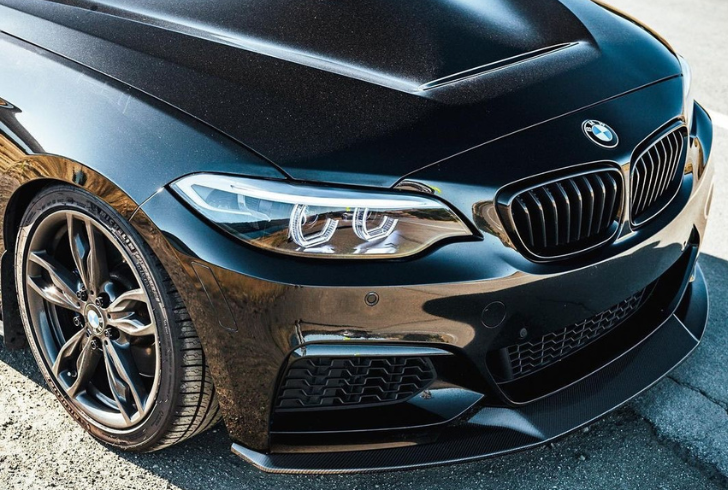
Instagram | k2industries | Driving is getting more blinding as automakers swap old halogen bulbs for intense LEDs.
A major factor behind the increase in glare is the widespread adoption of LED headlights. Over the past decade, automakers have largely replaced traditional halogen bulbs with LEDs, which produce significantly more light output.
The issue is not only brightness. LED lights also generate a sharper and bluer beam that many drivers find harsher on the eyes.
According to Jonathan Elfalan, Director of Vehicle Testing at Edmunds, automakers have a clear incentive to install powerful headlights because drivers often associate brighter illumination with better visibility. While the vehicle owner benefits from seeing more of the road, drivers approaching from the opposite direction may experience significant discomfort.
As a result, many motorists feel that nighttime driving has become increasingly challenging, even when high beams are not being used.
The SUV Factor
Vehicle size has also contributed to the problem. The American market continues to favor crossovers, SUVs, and pickup trucks, all of which sit higher off the ground than traditional sedans.
Because headlights are mounted at a greater height, their beams are more likely to shine directly into the mirrors and windshields of surrounding vehicles. Sean Tucker, Managing Editor at Kelley Blue Book, noted that drivers are often subjected to headlights shining directly into their mirrors due to the increased ride height of modern vehicles.
This combination of larger vehicles and brighter LED technology has created an environment where glare affects drivers more frequently than in previous decades.
The Technology That Solves the Problem
Many countries already use a solution known as Adaptive Driving Beam (ADB) technology. This advanced lighting system automatically adjusts headlight patterns based on road conditions and nearby traffic.
Unlike conventional headlights that operate in simple high-beam or low-beam modes, adaptive systems constantly analyze the environment ahead. On winding roads, the beams follow the direction of travel rather than pointing straight ahead. When another vehicle approaches, the system selectively dims only the portion of light aimed at that driver.
The technology works because modern LED headlights are made up of numerous individual light pixels instead of a single bulb. These pixels can be controlled independently, allowing the headlight to create precise lighting patterns in real time.
ADB technology has been widely used throughout Europe for more than a decade. It is also available in parts of Asia and Canada, where it helps improve visibility while reducing glare for other road users.
Why America Fell Behind
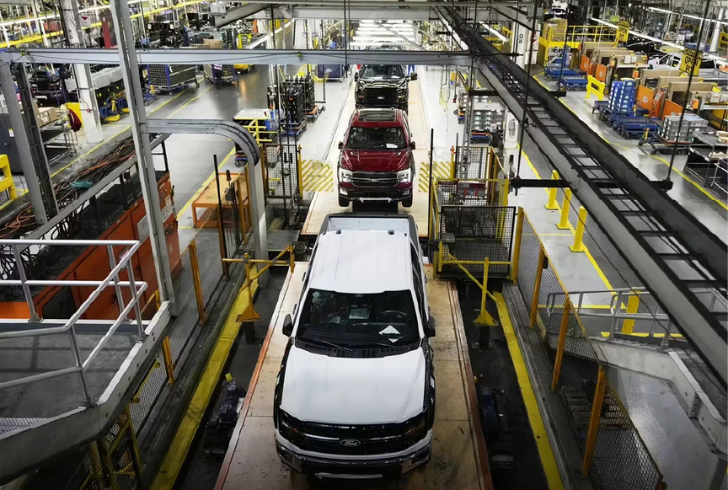
Instagram | askaboutcars_ | US vehicles have the hardware for adaptive lighting, but archaic NHTSA rules prevent its activation.
The surprising part is that many vehicles sold in the United States already contain hardware capable of supporting adaptive lighting.
The obstacle comes from regulations.
Decades ago, the National Highway Traffic Safety Administration (NHTSA) established rules requiring vehicles to use separate low-beam and high-beam headlights. Adaptive systems do not fit neatly into that framework because they continuously adjust their light output instead of switching between two fixed modes.
Congress revised the law in 2021 with the intention of allowing adaptive headlights. Many expected the move to align American standards with those used internationally. Instead, NHTSA developed a separate set of regulations that are considerably stricter than the standards used in Europe.
An NHTSA spokesperson previously explained that European testing methods lacked the “objective performance criteria” required for approval in the United States.
The result is an unusual situation. In many cases, vehicles already possess the technology needed to reduce glare, yet software activation alone is not enough to make the systems legal under current American regulations.
Rivian Found a Way Through
In 2024, Rivian became the first automaker to activate fully compliant adaptive driving beams in the United States.
The company achieved this milestone by redesigning the electronics and computing architecture of its vehicles. According to Carlos Montes Relanzon, Rivian’s Senior Manager for Lighting Systems, meeting American requirements demanded extensive engineering work because “the standard is genuinely demanding.”
The system creates a unique effect. Instead of dimming the entire headlight, it removes specific portions of the beam to avoid shining directly at nearby drivers. To observers, this can appear as a temporary dark gap within the light pattern.
The technology identifies approaching vehicles several seconds before they pass, allowing the system to adjust lighting early and maintain visibility without creating unnecessary glare.
Other Automakers Are Beginning to Follow
The rest of the automotive industry has started moving in the same direction, although progress remains gradual.
Tesla introduced adaptive driving beams in its updated Model Y crossover in 2025. Audi also announced plans to include adaptive beam technology in the 2027 Q9 SUV, which is scheduled to debut in the United States.
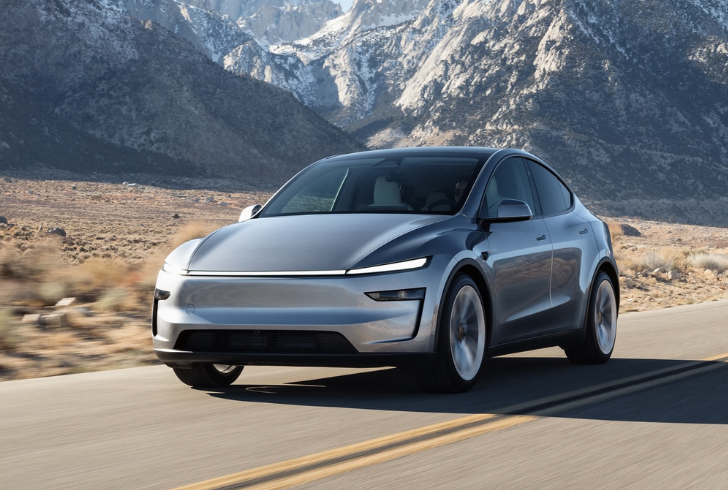
Instagram | teslamotors | Tesla integrated adaptive driving beams into the 2025 Model Y, leading a slow industry-wide transition.
An Audi spokesperson indicated that the company hopes NHTSA will eventually adopt international standards, making it easier for automakers to bring existing adaptive lighting systems to American vehicles.
Meanwhile, manufacturers must continue investing in redesigned hardware and software to satisfy current regulatory requirements. Requests for additional information from Ford, Chevrolet, Toyota, and Mercedes did not produce detailed timelines regarding future adaptive headlight rollouts.
Why the Problem Won’t Disappear Soon
Even if every new vehicle included adaptive driving beams tomorrow, the shift would still take years.
Americans keep their vehicles longer than ever. The average vehicle on the road is now about 13 years old. Many older models do not have adaptive headlight technology. As a result, traditional and adaptive systems will share the road for many years.
Consumer demand also affects adoption. Adaptive headlights mainly benefit other drivers by reducing glare. Vehicle owners gain better lighting, but the advantage is often less noticeable. Because of this, the feature alone is unlikely to convince many people to replace a vehicle that still works well.
Adaptive driving beam technology offers a practical solution to a common nighttime driving problem. Instead of spreading light in every direction, the system adjusts specific sections of the beam. This approach improves visibility while reducing glare for nearby drivers.
Drivers in Europe, Canada, and parts of Asia have used this technology for years. Many vehicles in the United States already have the hardware needed for adaptive beams. However, regulations have slowed wider adoption. Companies such as Rivian, Tesla, and Audi continue to introduce compliant systems, but industry-wide adoption will take time.
For now, bright headlight glare remains a common issue on American roads. Until adaptive headlights become more widespread, many drivers will continue dealing with intense light during nighttime travel.
More inDriving
-
`
 Tesla’s Miami Robotaxi Launch Is Big News, but Will It Lift TSLA Stock?
Tesla continues to attract attention from both active traders and long-term investors, making TSLA one of the most closely watched stocks...
July 26, 2026 -
`
 All the Reasons Why You Shouldn’t Blindly Follow AI Money Advice
Artificial intelligence has quickly become part of everyday life. People now use AI to write emails, plan vacations, answer questions, and...
July 24, 2026 -
`
 Financial Advice From Millionaires That Could Actually Hurt Your Wallet
Money advice from millionaires often sounds convincing because it comes from people who have already built wealth. Still, success does not...
July 19, 2026 -
`
 Do You Really Need Rental Car Insurance? A Deeper Look
Renting a car feels simple until the person at the counter starts asking about insurance. Many travelers freeze at that moment...
July 17, 2026 -
`
 What Qualifies a Vehicle for Classic Car Insurance?
Owning a classic car is about more than preserving an older vehicle. Many enthusiasts appreciate vintage automobiles because they are easier...
July 12, 2026 -
`
 NHTSA Launches ‘Special Investigation’ After Fatal Tesla Crash Into Texas Home
A deadly Tesla crash in Texas is now at the center of a federal safety investigation. The U.S. National Highway Traffic...
July 8, 2026 -
`
 “Grand Theft Auto VI” Cover Art Revealed
Rockstar Games gave fans a fresh look at “Grand Theft Auto VI” after releasing the game’s official cover art on Thursday....
July 5, 2026 -
`
 Why ‘Super Commuting’ Is Becoming a New Normal in Northern California
For thousands of workers across Northern California, a long drive to work is no longer an occasional inconvenience. It has become...
July 3, 2026 -
`
 How 2026 Graduates Can Establish a Solid Financial Ground for Future Decades
Graduation marks the beginning of a new financial chapter filled with opportunities, responsibilities, and choices that can shape the future. The...
June 26, 2026
More From CashRoadster
-
 California Proposes New Auto Insurance Rules for Single Drivers
California drivers could see a change in how auto insurance companies set premiums. Insurance Commissioner Ricardo Lara has announced a proposed...
Car InsuranceOctober 4, 2026 -
 Credit Acceptance Pays $710 Million to Settle Predatory Auto Lending Claims
One of America’s largest subprime auto lenders has agreed to a massive settlement over allegations that it put financially vulnerable drivers...
Auto NewsOctober 1, 2026 -
 EV vs. Hybrid vs. Gas | Which Car Works Best for a Road Trip?
A long road trip can reveal differences that city driving often hides. Charging time, fuel stops, highway range, energy prices, and...
Auto NewsSeptember 27, 2026 -
 Diesel Prices Exceed Historic $6 a Gallon as Iran War Intensifies
Diesel prices are soaring in the U.S. The national average reached $6.2694 per gallon on September 15, 2026, according to AAA....
DrivingSeptember 25, 2026 -
 Adding Your Teen to Your Car Insurance? Costs and Ways to Save
A newly licensed teen can bring excitement to a household, but the first auto insurance bill may bring a surprise. Young...
DrivingSeptember 19, 2026
You must be logged in to post a comment Login