

Why Removing Chinese Hardware Could Disrupt the U.S. Auto Industry
The U.S. auto industry is entering a new chapter. This time, the challenge is not electric vehicles, battery technology, or self-driving systems. It is the urgent effort to remove Chinese-connected vehicle hardware from cars sold in the United States.
Federal regulators have made their position clear. Connected vehicle technology linked to China or Russia is now viewed as a national security concern. That decision is forcing automakers, suppliers, and technology companies to rethink supply chains that took decades to build.
However, the changes will not happen overnight. They will unfold over several years, but manufacturers have already begun making difficult decisions. Some companies are searching for new suppliers, while others are requesting temporary exemptions to keep popular vehicles on sale.
New Rules Are Reshaping the Auto Industry
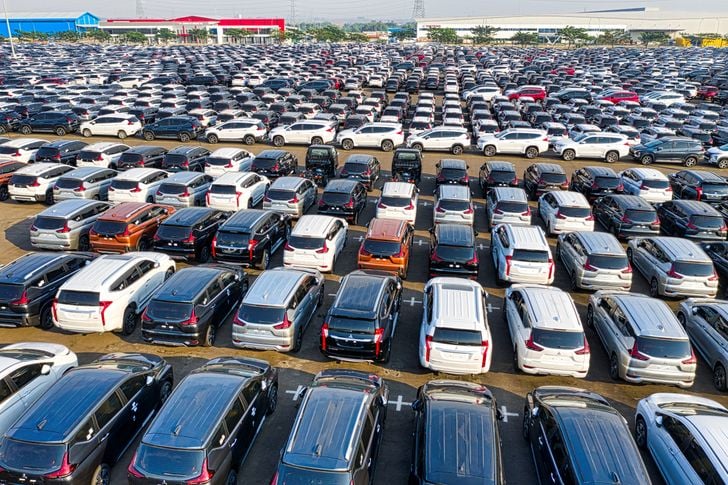
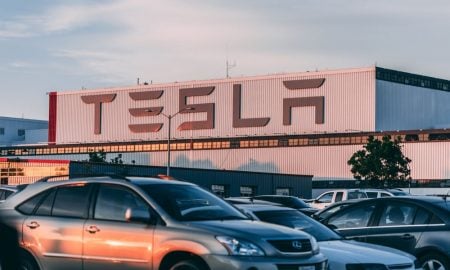
Tom / Pexels / The regulatory shift began with rules issued by the Commerce Department’s Bureau of Industry and Security, which took effect on March 17, 2025. These regulations prohibit the import and sale of connected vehicle technology tied to China or Russia.
The restrictions cover vehicle connectivity system hardware, including telematics control units, cellular modems, and software used in connected and automated driving systems.
The rollout follows a phased schedule. Software restrictions begin with the 2027 model year, while hardware restrictions take effect starting with the 2030 model year. Although the deadlines appear several years away, automakers are already working against the clock because redesigning supply chains requires years of planning and testing.
One important feature of the rules is their broad reach. The regulations do not apply only to vehicles built in China. A vehicle assembled anywhere in the world can still face restrictions if its connected hardware or software comes from a company controlled by Chinese interests.
That wide definition creates major compliance challenges. Many suppliers operate through international partnerships, joint ventures, or global production networks. Automakers must carefully trace every connected component before placing a vehicle in the U.S. market.
Automakers Are Scrambling to Find New Suppliers
Replacing Chinese suppliers is easier said than done. China has spent years building one of the world’s strongest automotive electronics industries. Many manufacturers rely on Chinese companies for affordable, reliable connectivity modules.
Now, new American suppliers are trying to fill that gap. Eagle Wireless, founded in late 2025, is one of the newest companies entering this fast-growing market. The company is expanding production in Ohio, with plans to supply U.S.-compliant connectivity modules to automakers nationwide.
The opportunity is enormous. Eagle Wireless expects to generate nearly $100 million in revenue while significantly expanding its workforce. That growth reflects the rising demand for domestic alternatives as manufacturers prepare for the upcoming hardware restrictions.
Still, building a competitive supply chain will take time. Eagle Wireless initially licensed module designs from a Chinese company before beginning work on its own technology. The company hopes to fully replace those designs before the 2030 deadline arrives.
Cost remains another challenge. Industry estimates suggest American-made connectivity modules currently cost between 5% and 15% more than comparable Chinese products. Those higher costs could eventually affect vehicle pricing if manufacturers cannot offset the difference through larger production volumes.
Exemptions Offer Temporary Relief
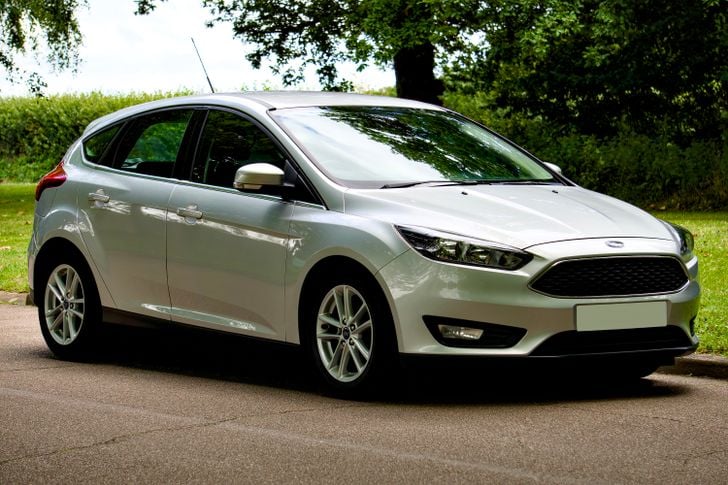
Mike / Pexels / Ford Motor Company has confirmed it is seeking approval to continue importing the China-built Lincoln Nautilus SUV.
Although the vehicle’s software was developed in the United States, installation takes place in China. That production detail places the model under federal review.
The exemption process highlights how deeply connected today’s automotive industry has become. Manufacturing no longer happens inside one country from start to finish. Components often cross multiple borders before a finished vehicle reaches a dealership.
Volvo Cars became one of the first companies to receive authorization. The automaker pointed to its significant manufacturing operations and investments in the United States as it sought approval. Federal officials accepted that argument under the current review process.
More inAuto News
-
`
 Auto.m Autonomous Taxi Concept Wins 2026 Red Dot Award
Cities are exploring new ways to improve transportation as demand grows for cleaner, smarter, and more convenient mobility solutions. Autonomous vehicles...
August 1, 2026 -
`
 Olympic Cyclist Pleads Guilty to Driving While Banned After Crash That Killed His Wife
Former Olympic cyclist Rohan Dennis has admitted to driving while disqualified, adding another chapter to a case that has drawn attention...
July 30, 2026 -
`
 Tesla’s Miami Robotaxi Launch Is Big News, but Will It Lift TSLA Stock?
Tesla continues to attract attention from both active traders and long-term investors, making TSLA one of the most closely watched stocks...
July 26, 2026 -
`
 All the Reasons Why You Shouldn’t Blindly Follow AI Money Advice
Artificial intelligence has quickly become part of everyday life. People now use AI to write emails, plan vacations, answer questions, and...
July 24, 2026 -
`
 Financial Advice From Millionaires That Could Actually Hurt Your Wallet
Money advice from millionaires often sounds convincing because it comes from people who have already built wealth. Still, success does not...
July 19, 2026 -
`
 Do You Really Need Rental Car Insurance? A Deeper Look
Renting a car feels simple until the person at the counter starts asking about insurance. Many travelers freeze at that moment...
July 17, 2026 -
`
 What Qualifies a Vehicle for Classic Car Insurance?
Owning a classic car is about more than preserving an older vehicle. Many enthusiasts appreciate vintage automobiles because they are easier...
July 12, 2026 -
`
 NHTSA Launches ‘Special Investigation’ After Fatal Tesla Crash Into Texas Home
A deadly Tesla crash in Texas is now at the center of a federal safety investigation. The U.S. National Highway Traffic...
July 8, 2026 -
`
 “Grand Theft Auto VI” Cover Art Revealed
Rockstar Games gave fans a fresh look at “Grand Theft Auto VI” after releasing the game’s official cover art on Thursday....
July 5, 2026
More From CashRoadster
-
 Why ‘Moneymaxxing’ Can Boost Your Savings but Going Too Far Can Cost You More Than It Saves!
Saving money has a new social media name, and it sounds much more exciting than balancing a budget. The trend is...
AdviceOctober 15, 2026 -
 Simone Biles Says Three Masked Men Stole Her Six-Figure Porsche
Simone Biles has shared details about a frightening incident that happened during her final months in Chicago. The Olympic gold medalist...
AdviceOctober 10, 2026 -
 How to Lower Your Car Insurance Premium Without Dropping Essential Coverage?
Car insurance can feel painfully expensive, especially when your driving record has not changed. You renew the same policy, drive the...
Car InsuranceOctober 8, 2026 -
 California Proposes New Auto Insurance Rules for Single Drivers
California drivers could see a change in how auto insurance companies set premiums. Insurance Commissioner Ricardo Lara has announced a proposed...
Car InsuranceOctober 4, 2026 -
 Credit Acceptance Pays $710 Million to Settle Predatory Auto Lending Claims
One of America’s largest subprime auto lenders has agreed to a massive settlement over allegations that it put financially vulnerable drivers...
Auto NewsOctober 1, 2026
You must be logged in to post a comment Login