
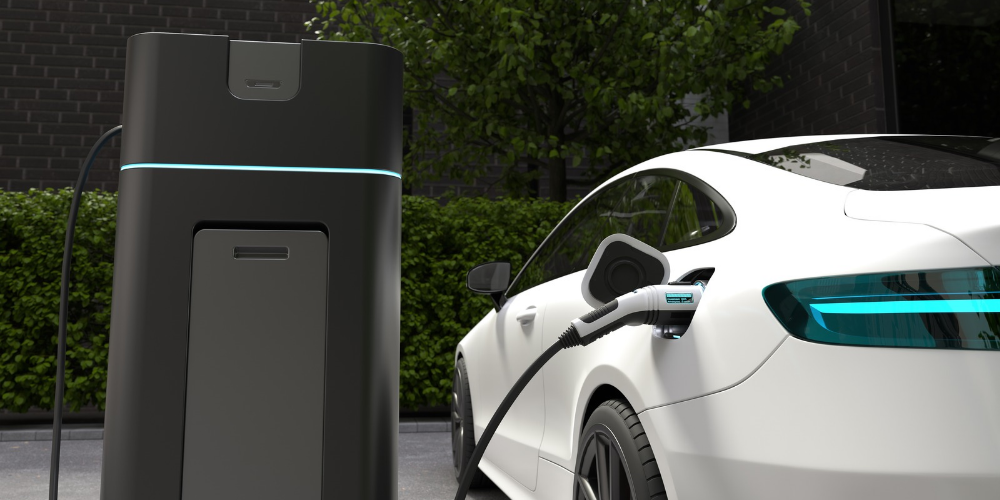
EV vs. Hybrid vs. Gas | Which Car Works Best for a Road Trip?
A long road trip can reveal differences that city driving often hides. Charging time, fuel stops, highway range, energy prices, and unexpected delays all affect the final result.
A real-world test involving a Tesla Model 3, Honda Accord Touring Hybrid, and Volkswagen Jetta GLI compared those factors on a trip of more than 700 miles.
The goal was simple: see how an EV, hybrid, and gas-powered car compare when they travel the same route.
The Road-Trip Test
Staffers drove the three vehicles from the publication’s headquarters in Ann Arbor, Michigan, to Paradise in Michigan’s Upper Peninsula and then back. The route also passed through Hell in the Lower Peninsula. The trip covered more than 700 miles over two days.
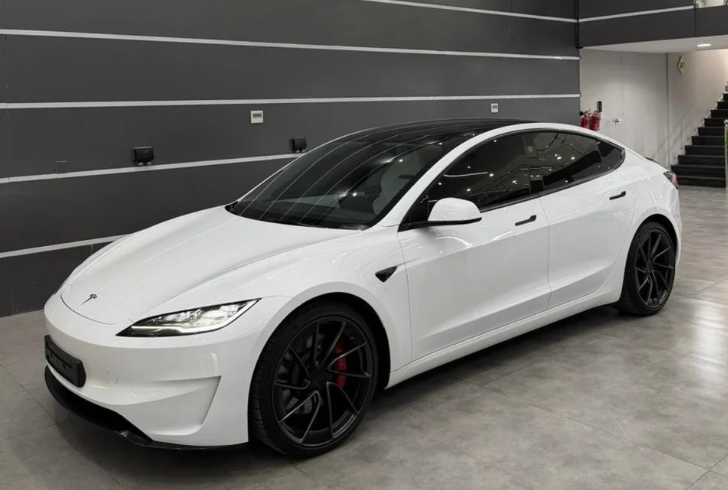
Instagram | soquae | Charging overnight at the destination gave the Tesla Model 3 a distinct edge over mid-trip stops.
Each vehicle used GPS monitoring, and drivers stayed within 10 mph of posted speed limits. That approach kept the test focused on normal highway driving instead of racing or extreme fuel-saving techniques. A 20-minute lunch stop was also required so that the comparison reflected a practical road trip rather than a nonstop run.
The three cars brought very different strengths to the test. The rear-wheel-drive Tesla Model 3 had the shortest tested highway range at 270 miles. The Honda Accord Hybrid could travel much farther between stops, while the Volkswagen Jetta GLI offered the quickest and most engaging driving experience but required premium fuel.
Tesla Model 3
The Tesla Model 3 had one clear advantage: overnight charging. Instead of making every energy stop during the drive, the EV could recharge while parked at the destination.
That benefit came with a trade-off. The Model 3 needed two Supercharger visits on the way to Paradise. Combined charging time totaled 31 minutes. The first charging session overlapped with the required lunch break, which reduced the time lost to charging.
The Tesla eventually reached Paradise only two minutes behind the Accord and nine minutes ahead of the Jetta. A slow lunch-service stop at Jimmy John’s helped close the gap between the vehicles.
The bigger problem came after arrival. The Tesla reached Paradise with about 10 percent battery remaining, or roughly 30 miles of indicated range. The Level 2 charger at the Airbnb did not work. The nearest Supercharger on the return route sat more than 70 miles away.
Associate buyer’s guide editor Andrew Wendler helped solve the problem by checking the Airbnb’s electrical panel and flipping breakers until the charger started working. The fix restored power, although the next morning brought another issue: there was no hot water.
The situation prompted the memorable comment, “people in hell want ice water,” followed by the observation that people in Paradise wanted a hot shower.
Honda Accord Hybrid
The Honda Accord Touring Hybrid offered a different approach. Its gasoline engine and hybrid system removed the need to plan around charging stations, while its long highway range reduced the number of fuel stops.
The Accord could use regular gasoline and had a tested highway range of about 490 miles. That meant the car needed only one fuel stop during the trip to Paradise.
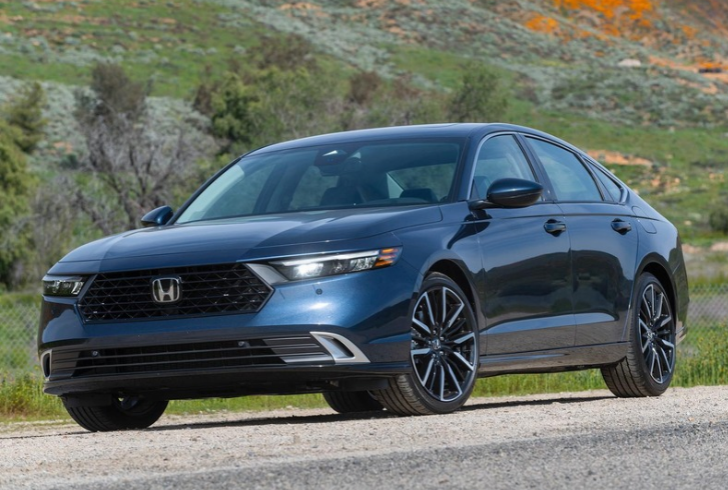
Instagram | kbb_com | The Accord Hybrid eliminated charging hassles while maximizing highway range for fewer fuel stops.
At the time of the test, regular gasoline was standardized at $4.45 per gallon for the cost comparison. The Accord used 10.8 gallons on the first leg, creating a $48 fuel bill under the test’s pricing assumptions.
Across the complete journey, the Accord traveled 744 miles and averaged 35 mpg. It consumed 21.1 gallons and used 87-octane fuel. Its total calculated fuel cost reached $93.69, equal to about 13 cents per mile.
Volkswagen Jetta GLI
The Volkswagen Jetta GLI relied entirely on gasoline and needed premium fuel. Its 228-hp turbocharged four-cylinder engine and six-speed manual transmission made it the most performance-focused car in the group.
The trade-off appeared at the fuel pump. Premium gasoline was priced at $5.40 per gallon for the standardized comparison, although the drivers encountered ethanol-free gas selling for $6.99 per gallon in Paradise.
The Jetta covered 737 miles, the shortest distance of the three vehicles because of slightly different stops and routing. It averaged 31 mpg and used 24.1 gallons of premium fuel. The total calculated cost came to $129.98, or 18 cents per mile.
Despite its higher fuel expense, the Jetta completed the entire trip in 11 hours and 46 minutes, making it the quickest vehicle in the test.
Charging vs. Fuel Stops
The return trip gave the Tesla another chance to show how charging affects total travel time. It required two more charging stops.
At Gaylord, nine minutes of charging provided enough energy to continue to Clare. The Supercharger in Clare caused another delay because the charging session repeatedly stopped and restarted. That visit eventually lasted 33 minutes.
Even with those interruptions, the Tesla finished much closer to the gas-powered cars than expected. The Accord completed the journey in 11 hours and 48 minutes, just two minutes behind the Jetta. The Tesla finished 25 minutes behind the Accord.
The difference was noticeable, but it was not the wide gap that might be expected from a long EV road trip.
Total Cost
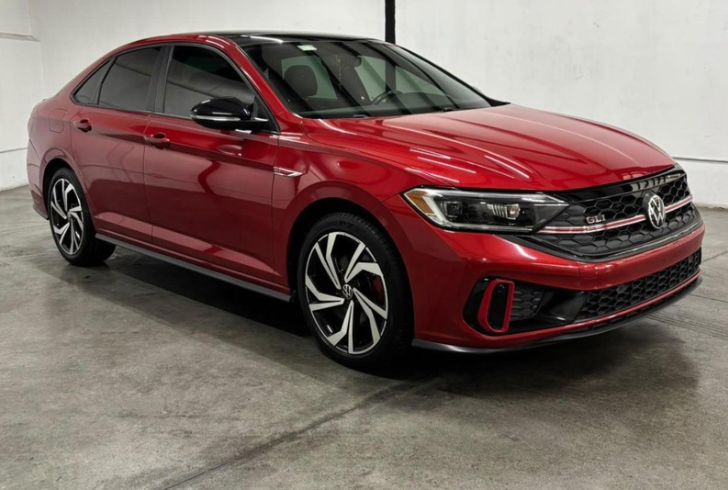
Instagram | autosgavamx | The Jetta traveled 737 miles on 24.1 gallons at 31 mpg, costing $129.98 at 18 cents per mile.
The complete figures show how energy costs changed the result.
The Tesla Model 3 covered 752 miles and consumed 243 kWh. It made four DC fast-charging stops and two AC charging visits. Using the test’s electricity rates, its total energy cost was $85.70, or 11 cents per mile.
The Accord traveled 744 miles at 35 mpg and cost $93.69 for fuel, or 13 cents per mile.
The Jetta covered 737 miles and used 24.1 gallons at 31 mpg. Its calculated fuel cost reached $129.98, or 18 cents per mile.
For the standardized comparison, residential electricity cost 19 cents per kWh, while DC fast charging cost 53 cents per kWh. Regular gasoline was set at $4.45 per gallon, and premium gasoline at $5.40 per gallon.
The Tesla’s overnight charging alone cost about $11.88. That helped offset the higher cost of public fast charging during the journey.
What the Numbers Show
The test showed that road-trip convenience depends on more than energy price. Gas-powered vehicles can usually refuel faster and offer longer stretches between stops. The Jetta finished first, while the Accord was only two minutes behind.
The Tesla required more planning and charging time. However, its total energy bill was the lowest. At $85.70, it cost about $8 less than the Accord and nearly $36 less than the Jetta.
That difference becomes more noticeable on longer trips or when fuel prices rise. Still, charging access can change the experience. A broken charger at the destination created a problem that a gasoline car would not face.
The test revealed a clear trade-off between travel time and energy costs. The Jetta GLI completed the trip fastest, followed closely by the Accord Hybrid. The Tesla Model 3 took longer because of charging stops, but its $85.70 energy cost was the lowest of the three.
For this 700-plus-mile journey, gas-powered cars had the time advantage, while the EV offered lower operating costs. Charging access and available travel time remain important factors when choosing a vehicle for long highway trips.
More inAuto News
-
`
 Auto.m Autonomous Taxi Concept Wins 2026 Red Dot Award
Cities are exploring new ways to improve transportation as demand grows for cleaner, smarter, and more convenient mobility solutions. Autonomous vehicles...
August 1, 2026 -
`
 Olympic Cyclist Pleads Guilty to Driving While Banned After Crash That Killed His Wife
Former Olympic cyclist Rohan Dennis has admitted to driving while disqualified, adding another chapter to a case that has drawn attention...
July 30, 2026 -
`
 Tesla’s Miami Robotaxi Launch Is Big News, but Will It Lift TSLA Stock?
Tesla continues to attract attention from both active traders and long-term investors, making TSLA one of the most closely watched stocks...
July 26, 2026 -
`
 All the Reasons Why You Shouldn’t Blindly Follow AI Money Advice
Artificial intelligence has quickly become part of everyday life. People now use AI to write emails, plan vacations, answer questions, and...
July 24, 2026 -
`
 Financial Advice From Millionaires That Could Actually Hurt Your Wallet
Money advice from millionaires often sounds convincing because it comes from people who have already built wealth. Still, success does not...
July 19, 2026 -
`
 Do You Really Need Rental Car Insurance? A Deeper Look
Renting a car feels simple until the person at the counter starts asking about insurance. Many travelers freeze at that moment...
July 17, 2026 -
`
 What Qualifies a Vehicle for Classic Car Insurance?
Owning a classic car is about more than preserving an older vehicle. Many enthusiasts appreciate vintage automobiles because they are easier...
July 12, 2026 -
`
 NHTSA Launches ‘Special Investigation’ After Fatal Tesla Crash Into Texas Home
A deadly Tesla crash in Texas is now at the center of a federal safety investigation. The U.S. National Highway Traffic...
July 8, 2026 -
`
 “Grand Theft Auto VI” Cover Art Revealed
Rockstar Games gave fans a fresh look at “Grand Theft Auto VI” after releasing the game’s official cover art on Thursday....
July 5, 2026
More From CashRoadster
-
 Why ‘Moneymaxxing’ Can Boost Your Savings but Going Too Far Can Cost You More Than It Saves!
Saving money has a new social media name, and it sounds much more exciting than balancing a budget. The trend is...
AdviceOctober 15, 2026 -
 Simone Biles Says Three Masked Men Stole Her Six-Figure Porsche
Simone Biles has shared details about a frightening incident that happened during her final months in Chicago. The Olympic gold medalist...
AdviceOctober 10, 2026 -
 How to Lower Your Car Insurance Premium Without Dropping Essential Coverage?
Car insurance can feel painfully expensive, especially when your driving record has not changed. You renew the same policy, drive the...
Car InsuranceOctober 8, 2026 -
 California Proposes New Auto Insurance Rules for Single Drivers
California drivers could see a change in how auto insurance companies set premiums. Insurance Commissioner Ricardo Lara has announced a proposed...
Car InsuranceOctober 4, 2026 -
 Credit Acceptance Pays $710 Million to Settle Predatory Auto Lending Claims
One of America’s largest subprime auto lenders has agreed to a massive settlement over allegations that it put financially vulnerable drivers...
Auto NewsOctober 1, 2026
You must be logged in to post a comment Login