
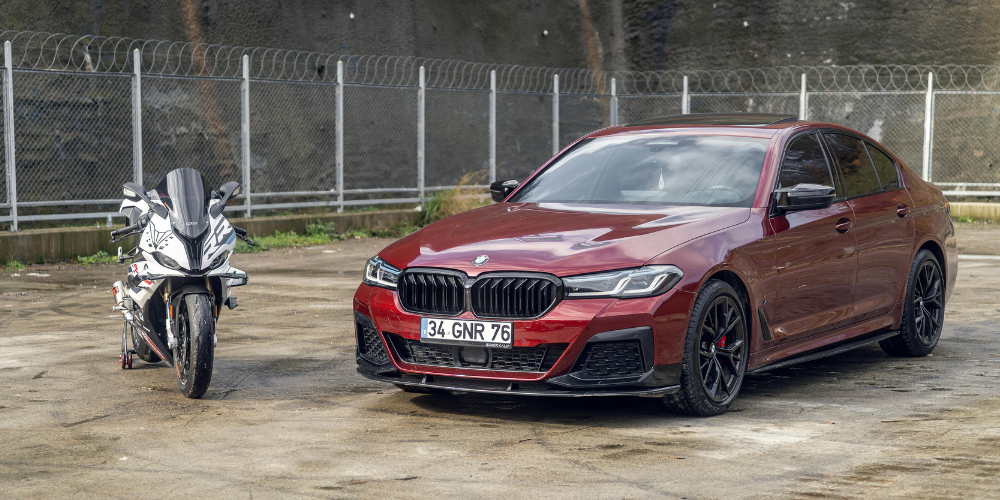
Understanding the Difference Between Motorcycle and Car Engines
Cars and motorcycles dominate modern roads, each powered by engines designed to turn fuel into motion through controlled combustion. At a glance, both systems seem nearly identical. They rely on the same core principle—internal combustion driving mechanical movement.
Still, a closer look reveals subtle yet meaningful differences that shape how each vehicle performs, feels, and functions.
Curiosity often sparks at a stoplight while watching a sleek bike idle next to a sedan. The question arises naturally: what actually separates these engines? The answer sits somewhere between “not much” and “it depends,” with design priorities playing a major role.
Engine Size and Displacement Differences
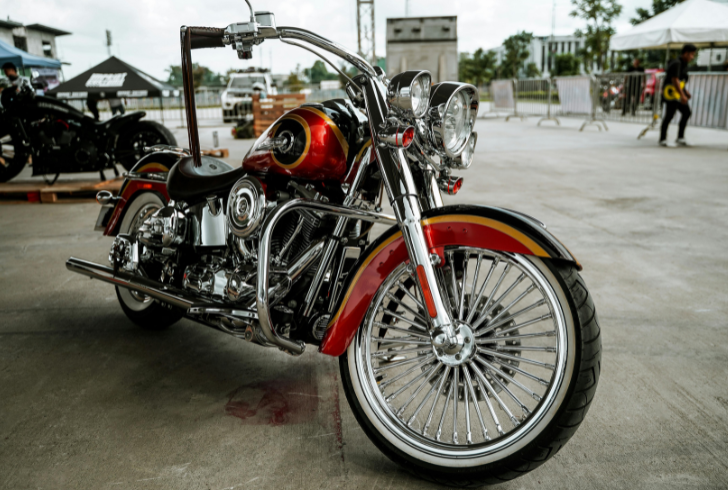
Freepik | Motorcycles generally have smaller engines than cars, leading to lower power and different performance scales.
Engine size stands out as the most noticeable distinction. In general, motorcycle engines are built with smaller displacement compared to car engines. This directly affects power output and overall performance.
A 250cc engine, for example, is a standard configuration in motorcycles. That same size would feel underpowered in a car, where engines typically start much higher. On the other hand, a 3.0-liter V6 engine is common in cars but almost nonexistent in motorcycles unless custom-built for extreme performance.
This difference comes down to purpose. Motorcycles prioritize lightweight construction and agility, while cars focus on stability, passenger capacity, and sustained power delivery.
How Oil Works Differently
Oil plays a far more complex role in motorcycles than in cars. This is one of the most important functional differences.
According to Castrol, “In a car engine, the oil protects only the engine. Different fluids (such as transmission fluids) protect other key areas of the car engine.” This separation allows car systems to specialize fluid use across components.
Motorcycles follow a different approach. Most use a shared sump system, meaning a single type of oil lubricates the engine, clutch, and gearbox simultaneously. As a result, motorcycle oil must handle multiple responsibilities at once—cooling, lubrication, and smooth clutch operation.
This design demands higher performance from the oil itself, making automotive oil unsuitable for motorcycles.
Temperature and RPM Behavior
Motorcycle engines typically operate at higher RPMs compared to car engines. This leads to quicker acceleration and a more responsive ride. However, higher RPMs also generate more heat.
Cooling methods vary between the two. Many motorcycles rely on air cooling or a mix of air and oil cooling systems. Cars, in contrast, often depend on liquid cooling systems for more consistent temperature control.
The balance between air, oil, and coolant differs significantly. Motorcycles lean toward simpler, lighter cooling solutions, while cars use more complex systems to manage heat across larger engines.
When the Lines Blur Between the Two
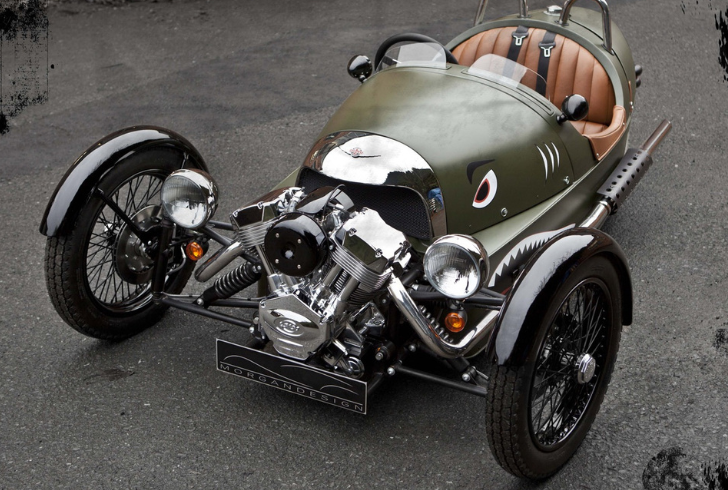
motorauthority.com | The 2011 Morgan 3-Wheeler combines vintage aesthetics with an 82-hp S&S V-twin engine and a Mazda gearbox.
Despite these general differences, engine design has never followed strict boundaries. Over time, engineers have experimented by blending concepts from both worlds.
A standout example is the Morgan 3-Wheeler. Although it resembles a vintage roadster from the 1920s, it was produced in 2011. The first generation featured a 1,998cc V-twin engine built by S&S, a company also known for performance parts for Harley-Davidson engines. This engine paired with a five-speed transmission sourced from Mazda and delivered 82 horsepower.
The updated 2022 version shifted direction by adopting a more traditional Ford engine, showing how flexible design choices can be.
On the opposite end, some motorcycles have taken inspiration from cars in a dramatic way. Boss Hoss motorcycles are known for integrating small block and big block Chevy V8 engines. These machines push boundaries with extreme specifications. One Cruiser model weighs around 1,100 pounds and can produce up to 600 horsepower when equipped with a 454 cubic inch V8 engine.
Such examples highlight how engineering creativity often overrides conventional limits.
Motorcycle and car engines share the same foundation but diverge in execution. Size, oil usage, cooling systems, and performance goals define how each engine is built and how it behaves. While most differences follow clear patterns, exceptions continue to appear through creative engineering. This overlap keeps the comparison interesting and proves that even established designs can evolve in unexpected ways.
More inAuto News
-
`
 Why Advanced Headlights Used Worldwide Are Still Restricted in America
Night driving was once associated with quieter roads and a calmer driving experience. Today, many motorists face a different reality. Intense...
June 28, 2026 -
`
 How 2026 Graduates Can Establish a Solid Financial Ground for Future Decades
Graduation marks the beginning of a new financial chapter filled with opportunities, responsibilities, and choices that can shape the future. The...
June 26, 2026 -
`
 Is Running Your AC All Day Saving Money or Raising Energy Bill?
As temperatures climb, air conditioners become one of the hardest-working appliances in many homes. A common belief is that keeping an...
June 21, 2026 -
`
 Everything You Ought to Know About Car Insurance in Texas
Texas drivers cover millions of miles every day. They go through packed highways in Houston, long stretches of interstate roads in...
June 18, 2026 -
`
 Why Liability Auto Insurance Is Required but Full Coverage Isn’t
Car insurance rules often feel uneven. One part is enforced by law, while another is left to personal choice or financial...
June 14, 2026 -
`
 Mitsubishi Ends its U.S. Pickup Hiatus With Nissan-sourced Truck Aimed at Toyota Tacoma & Chevy Colorado
Mitsubishi is getting ready for a major comeback in the United States. After years of sitting on the sidelines in key...
June 12, 2026 -
AISD-77 fallback smoke aisd-77-smoke-72138678
Verifying the WordPress publisher’s auth-fallback cascade. This draft post can be deleted.
June 10, 2026 -
AISD-77 fallback smoke aisd-77-smoke-7c83fc49
Verifying the WordPress publisher’s auth-fallback cascade. This draft post can be deleted.
June 10, 2026 -
`
 Android Auto’s Next Update Signals a Major Shift in In-Car Experience
Driving interfaces are starting to feel less like basic infotainment systems and more like connected smart devices. Google’s latest Android Auto...
June 7, 2026
More From CashRoadster
-
 State Farm Is Sending Out $5 Billion in Dividends. Here’s Who Qualifies
After several years of rising auto insurance costs, some State Farm customers are now getting money back. State Farm has started...
Car InsuranceSeptember 6, 2026 -
 Nissan’s Big Bet on Aggressive Discounts Is Fueling Sales As Competitors Pull Back
Nissan is spending more money to get buyers into its cars, and the strategy is producing results. While several major rivals...
Auto NewsSeptember 3, 2026 -
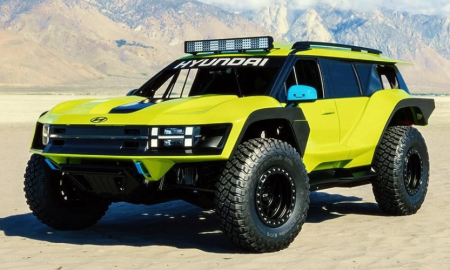 Hyundai Gives Its Wild Baja Santa Fe Render the Green Light
The Hyundai Santa Fe is designed as a practical family SUV, but a new digital rendering gives it a very different...
Auto NewsAugust 30, 2026 -
 Andy Green and JCB Set New Hydrogen Speed Record of 406 MPH
Hydrogen power just had a very fast day in Utah. British land speed legend Andy Green drove the JCB Hydromax to...
DrivingAugust 27, 2026 -
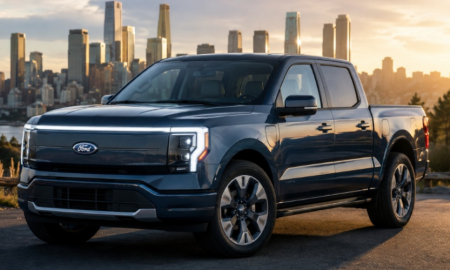 Ford Reveals “Fathom,” Its New Electric Truck With a $29,945 Price Tag
Ford is preparing a new electric pickup called the “Fathom,” with a planned starting price of $29,945 after destination. The truck...
DrivingAugust 22, 2026
You must be logged in to post a comment Login