
Insurance Companies are ‘Totaling’ More Cars Even After Minor Crashes, Here’s Why
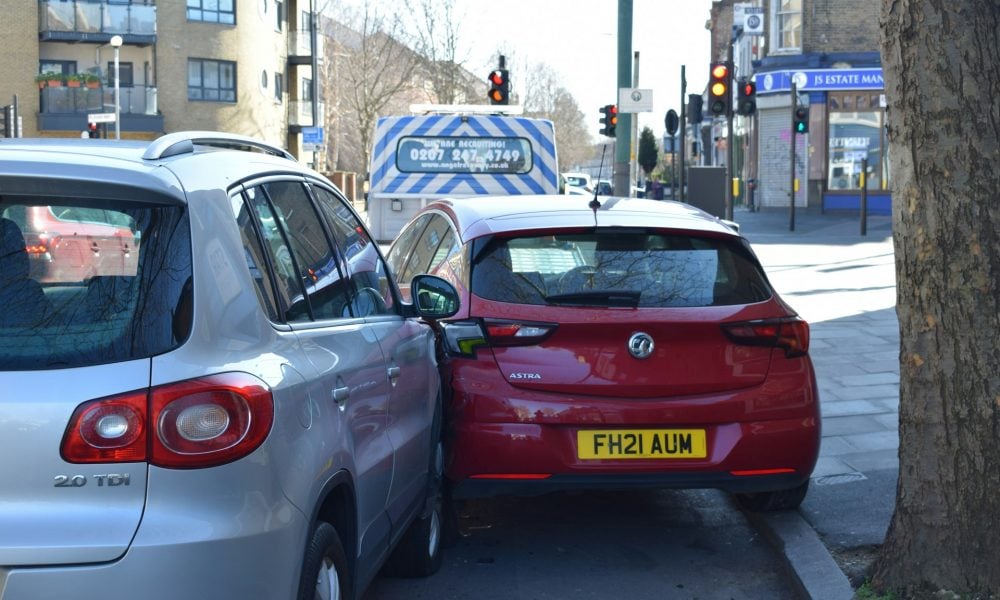
A small crash used to mean a quick trip to the body shop. Now, it can mean losing your car entirely. Insurance companies are declaring more vehicles “totaled” than ever before, even after damage that once seemed repairable.
The reason comes down to money. Repair costs have exploded, modern cars are packed with expensive technology, and salvage yards are paying top dollar for damaged vehicles. Insurance companies are crunching the numbers and deciding it makes more sense to cut a check than fix the car.
That shift is changing the auto insurance market fast. Drivers are paying higher premiums, repair shops are handling more complex work, and older vehicles are getting pushed off the road sooner than expected.
Why More Cars are Being Declared ‘Total Losses’?
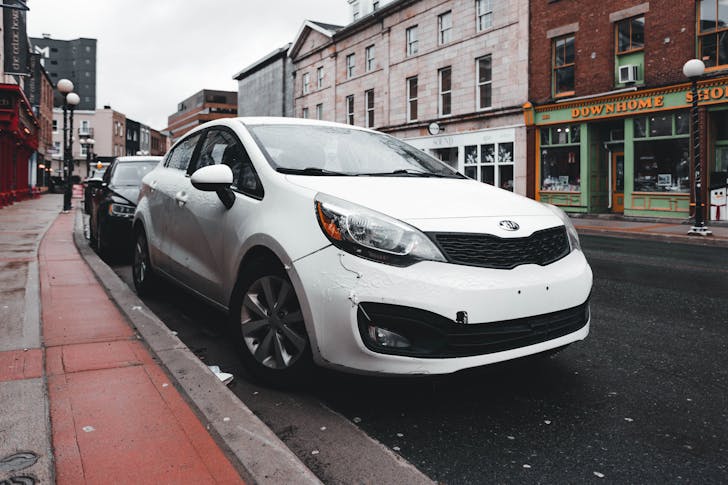
Introspect / Pexels / A car becomes a “total loss” when repairing it costs too much compared to what the vehicle is worth.
Insurance companies look at the car’s actual cash value before the crash, then compare that amount to repair expenses and salvage value. If the math no longer works, the car gets totaled.
Each state handles the calculation differently. Some states use a fixed percentage threshold. Alabama uses 75%, while Iowa uses 70%. Colorado and Texas allow repairs up to 100% of the car’s value. Other states, including California and New York, use a more flexible formula that factors in salvage value after the accident.
Those rules matter because repair prices keep climbing. A crash that once caused $2,000 in damage can now cost double or triple that amount. Insurance companies are seeing huge repair bills and making quicker decisions to write vehicles off.
Modern Cars are Packed With Expensive Technology
Today’s vehicles are loaded with cameras, sensors, radar systems, and safety features. These tools help drivers stay safe, but they also make repairs far more expensive after a crash.
A simple bumper replacement is no longer simple. Many bumpers now contain radar sensors and parking technology. Once repaired, those systems need professional recalibration to work correctly again. That process takes time, specialized equipment, and trained technicians.
Windshields have become another expensive repair item. Many contain cameras connected to lane assist systems and automatic emergency braking features. Replacing the glass alone is costly, but recalibrating the system afterward pushes the bill much higher.
Even minor accidents can damage hidden electronic components. A light fender bender may look harmless from the outside, yet the repair estimate can climb fast once technicians inspect the vehicle fully.
In 2024, average repair costs passed $4,730. Repair estimates involving calibration procedures also jumped sharply. Insurance companies are paying more per claim, and those rising payouts are reshaping how they handle damaged vehicles.
In extreme cases, a car may get totaled simply because a specific part no longer exists. Without that component, the vehicle cannot be repaired safely or legally. Insurance companies often decide it is cheaper and faster to settle the claim instead.
Older Cars are Hit Hardest

Miami / Pexels / Americans are keeping vehicles longer than before. New car prices remain high, interest rates are painful, and many drivers simply cannot afford an upgrade.
That means more older vehicles are staying on the road.
Older cars usually have lower market values. That becomes a problem after an accident because repair costs do not drop just because the car is aging. A $6,000 repair bill on a car worth $7,000 can quickly push it into total loss territory.
This is happening more often as the average age of vehicles continues rising. Millions fewer newer cars are on the road compared to a few years ago. Drivers are stretching the life of older vehicles, but insurers are less willing to approve costly repairs on them.
Many drivers are shocked when a repairable-looking car gets totaled. The outside damage may seem minor, yet the numbers behind the scenes tell a different story. Insurance companies focus on financial risk, not emotional attachment.
More inCar Insurance
-
`
 Why Removing Chinese Hardware Could Disrupt the U.S. Auto Industry
The U.S. auto industry is entering a new chapter. This time, the challenge is not electric vehicles, battery technology, or self-driving...
August 6, 2026 -
`
 Auto.m Autonomous Taxi Concept Wins 2026 Red Dot Award
Cities are exploring new ways to improve transportation as demand grows for cleaner, smarter, and more convenient mobility solutions. Autonomous vehicles...
August 1, 2026 -
`
 Olympic Cyclist Pleads Guilty to Driving While Banned After Crash That Killed His Wife
Former Olympic cyclist Rohan Dennis has admitted to driving while disqualified, adding another chapter to a case that has drawn attention...
July 30, 2026 -
`
 Tesla’s Miami Robotaxi Launch Is Big News, but Will It Lift TSLA Stock?
Tesla continues to attract attention from both active traders and long-term investors, making TSLA one of the most closely watched stocks...
July 26, 2026 -
`
 All the Reasons Why You Shouldn’t Blindly Follow AI Money Advice
Artificial intelligence has quickly become part of everyday life. People now use AI to write emails, plan vacations, answer questions, and...
July 24, 2026 -
`
 Financial Advice From Millionaires That Could Actually Hurt Your Wallet
Money advice from millionaires often sounds convincing because it comes from people who have already built wealth. Still, success does not...
July 19, 2026 -
`
 Do You Really Need Rental Car Insurance? A Deeper Look
Renting a car feels simple until the person at the counter starts asking about insurance. Many travelers freeze at that moment...
July 17, 2026 -
`
 What Qualifies a Vehicle for Classic Car Insurance?
Owning a classic car is about more than preserving an older vehicle. Many enthusiasts appreciate vintage automobiles because they are easier...
July 12, 2026 -
`
 NHTSA Launches ‘Special Investigation’ After Fatal Tesla Crash Into Texas Home
A deadly Tesla crash in Texas is now at the center of a federal safety investigation. The U.S. National Highway Traffic...
July 8, 2026
More From CashRoadster
-
 Why ‘Moneymaxxing’ Can Boost Your Savings but Going Too Far Can Cost You More Than It Saves!
Saving money has a new social media name, and it sounds much more exciting than balancing a budget. The trend is...
AdviceOctober 15, 2026 -
 Simone Biles Says Three Masked Men Stole Her Six-Figure Porsche
Simone Biles has shared details about a frightening incident that happened during her final months in Chicago. The Olympic gold medalist...
AdviceOctober 10, 2026 -
 How to Lower Your Car Insurance Premium Without Dropping Essential Coverage?
Car insurance can feel painfully expensive, especially when your driving record has not changed. You renew the same policy, drive the...
Car InsuranceOctober 8, 2026 -
 California Proposes New Auto Insurance Rules for Single Drivers
California drivers could see a change in how auto insurance companies set premiums. Insurance Commissioner Ricardo Lara has announced a proposed...
Car InsuranceOctober 4, 2026 -
 Credit Acceptance Pays $710 Million to Settle Predatory Auto Lending Claims
One of America’s largest subprime auto lenders has agreed to a massive settlement over allegations that it put financially vulnerable drivers...
Auto NewsOctober 1, 2026
You must be logged in to post a comment Login