
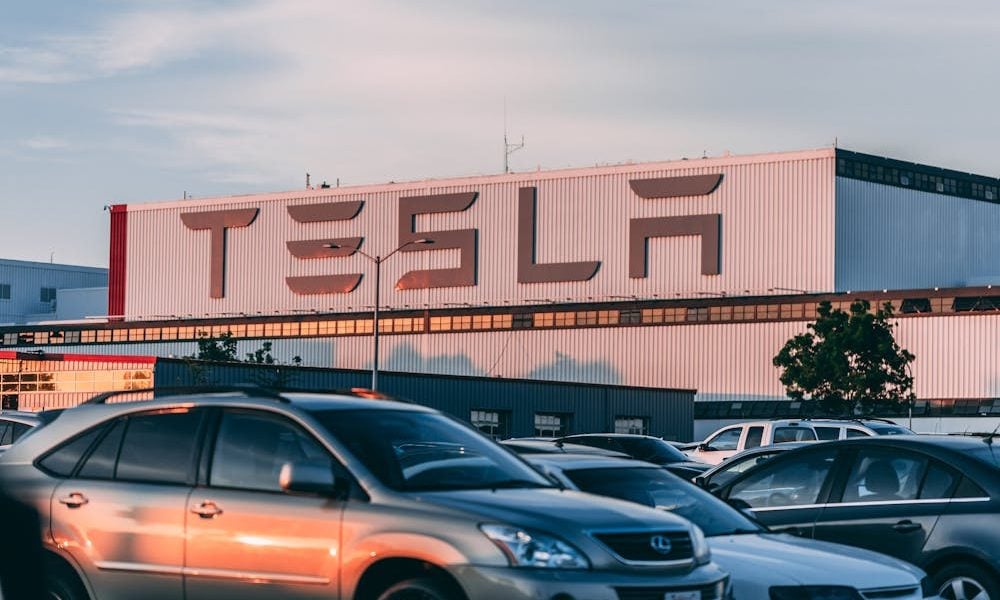
Tesla Officially Launches Its Full Self-Driving (FSD) Package in China
Tesla has finally crossed a major hurdle in China. After years of regulatory roadblocks, speculation, and industry chatter, the company has officially confirmed that its Full Self-Driving (Supervised) package is now available in the country. The announcement marks one of Tesla’s most important moves in the world’s largest electric vehicle market.
The news arrived through a post on X, where Tesla listed China among the latest regions gaining access to the system. The timing caught attention across the industry because it came shortly after CEO Elon Musk visited China as part of a U.S. business delegation accompanying President Donald Trump. Many analysts believe the visit helped move discussions forward.
Still, this launch is not the arrival of fully autonomous driving. Tesla is bringing a supervised version of its technology to Chinese customers, and that distinction matters.
What Tesla’s FSD Supervised Actually Does?

Motor News / Despite the name, Tesla’s Full Self Driving package does not turn a car into a robot chauffeur.
The system remains a Level 2 advanced driver assistance feature under both international and Chinese regulations. Drivers must stay alert, keep their hands ready, and take control whenever necessary.
Tesla has adjusted its messaging to reflect these requirements. The company no longer emphasizes phrases that suggest complete autonomy in China. Instead, the technology appears under the more cautious label of Tesla Assisted Driving. The shift reflects growing regulatory scrutiny around how automakers describe self-driving features.
The system can handle city streets, intersections, lane changes, traffic signals, and other complex driving situations. It aims to reduce driver workload during everyday trips. However, responsibility still rests with the person behind the wheel.
That difference separates FSD Supervised from Tesla’s long-term vision of fully autonomous vehicles. The company’s unsupervised driving technology is currently being tested on its robotaxi fleet in Texas, but that capability has not yet reached consumer vehicles.
The Pricing Question Could Shape Adoption
Tesla’s pricing strategy in China has already sparked debate. Customers currently see the intelligent assisted driving package listed at 64,000 yuan, which equals roughly $9,400. That places it among the most expensive software upgrades available in the local market.
The high price could limit widespread adoption. Chinese consumers have become accustomed to advanced driving features appearing as standard equipment or as lower-cost options on competing models. That creates a challenging environment for Tesla.
The situation may not stay the same for long. Tesla has gradually shifted toward subscription-based pricing in Europe and North America. Monthly plans have largely replaced expensive one-time purchases in several markets.
Industry observers expect a similar transition in China. Reports suggest future subscription pricing could fall somewhere between 499 and 699 yuan per month. Tesla has not confirmed those figures, but a subscription model would lower the entry barrier and make the technology more accessible.
Local Data was the Key to Approval

Heng / Pexels / Chinese regulators place strict controls on how vehicle data is collected, stored, and processed. Foreign companies face particularly close scrutiny.
To address these concerns, Tesla invested heavily in local infrastructure. The company established a dedicated data center in Shanghai’s Lingang area. This facility stores driving data gathered from Chinese roads within the country, helping Tesla comply with national data regulations.
The scale of that effort is substantial. Tesla has accumulated more than 30 billion kilometers of local driving data, creating a massive foundation for training and improving its software.
The company also built a local AI training center. This allows Tesla to teach its systems using Chinese traffic conditions rather than relying on data collected elsewhere. That distinction is important because driving environments vary dramatically from one country to another.
China presents unique challenges for autonomous systems. Dense traffic, electric scooters, bicycles, pedestrians, and unconventional intersections create situations that differ from many North American roads. Localized training helps Tesla adapt to these realities and improve performance.
The company has also expanded hiring for autonomous driving engineers across major cities, including Beijing, Shanghai, and Shenzhen. These efforts highlight Tesla’s commitment to tailoring its technology for China’s roads.
However, companies such as BYD, Huawei, Xpeng, and Xiaomi have aggressively expanded their autonomous driving capabilities. Many already offer sophisticated features that are widely available across their vehicle lineups.
More inDriving
-
`
 Auto.m Autonomous Taxi Concept Wins 2026 Red Dot Award
Cities are exploring new ways to improve transportation as demand grows for cleaner, smarter, and more convenient mobility solutions. Autonomous vehicles...
August 1, 2026 -
`
 Olympic Cyclist Pleads Guilty to Driving While Banned After Crash That Killed His Wife
Former Olympic cyclist Rohan Dennis has admitted to driving while disqualified, adding another chapter to a case that has drawn attention...
July 30, 2026 -
`
 Tesla’s Miami Robotaxi Launch Is Big News, but Will It Lift TSLA Stock?
Tesla continues to attract attention from both active traders and long-term investors, making TSLA one of the most closely watched stocks...
July 26, 2026 -
`
 All the Reasons Why You Shouldn’t Blindly Follow AI Money Advice
Artificial intelligence has quickly become part of everyday life. People now use AI to write emails, plan vacations, answer questions, and...
July 24, 2026 -
`
 Financial Advice From Millionaires That Could Actually Hurt Your Wallet
Money advice from millionaires often sounds convincing because it comes from people who have already built wealth. Still, success does not...
July 19, 2026 -
`
 Do You Really Need Rental Car Insurance? A Deeper Look
Renting a car feels simple until the person at the counter starts asking about insurance. Many travelers freeze at that moment...
July 17, 2026 -
`
 What Qualifies a Vehicle for Classic Car Insurance?
Owning a classic car is about more than preserving an older vehicle. Many enthusiasts appreciate vintage automobiles because they are easier...
July 12, 2026 -
`
 NHTSA Launches ‘Special Investigation’ After Fatal Tesla Crash Into Texas Home
A deadly Tesla crash in Texas is now at the center of a federal safety investigation. The U.S. National Highway Traffic...
July 8, 2026 -
`
 “Grand Theft Auto VI” Cover Art Revealed
Rockstar Games gave fans a fresh look at “Grand Theft Auto VI” after releasing the game’s official cover art on Thursday....
July 5, 2026
More From CashRoadster
-
 Simone Biles Says Three Masked Men Stole Her Six-Figure Porsche
Simone Biles has shared details about a frightening incident that happened during her final months in Chicago. The Olympic gold medalist...
AdviceOctober 10, 2026 -
 How to Lower Your Car Insurance Premium Without Dropping Essential Coverage?
Car insurance can feel painfully expensive, especially when your driving record has not changed. You renew the same policy, drive the...
Car InsuranceOctober 8, 2026 -
 California Proposes New Auto Insurance Rules for Single Drivers
California drivers could see a change in how auto insurance companies set premiums. Insurance Commissioner Ricardo Lara has announced a proposed...
Car InsuranceOctober 4, 2026 -
 Credit Acceptance Pays $710 Million to Settle Predatory Auto Lending Claims
One of America’s largest subprime auto lenders has agreed to a massive settlement over allegations that it put financially vulnerable drivers...
Auto NewsOctober 1, 2026 -
 EV vs. Hybrid vs. Gas | Which Car Works Best for a Road Trip?
A long road trip can reveal differences that city driving often hides. Charging time, fuel stops, highway range, energy prices, and...
Auto NewsSeptember 27, 2026
You must be logged in to post a comment Login