
Why Your Car’s Windows Always Look Cloudy (And How to Fix It)
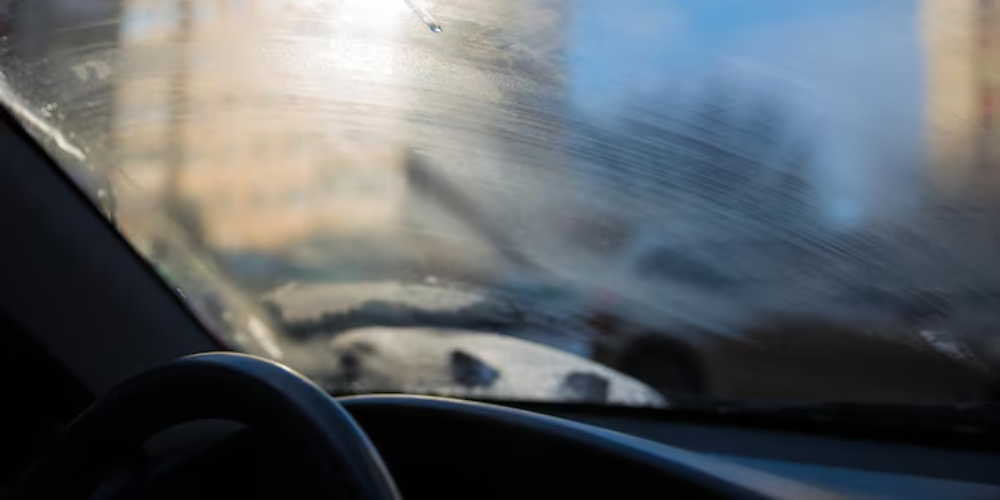
Car owners often notice a stubborn haze coating the inside of their windshields. It’s not ordinary dust or dirt, and no matter how often it’s wiped away, it always comes back. This annoying film doesn’t just ruin the clean look of your car, it also reduces visibility, especially at night when light from headlights and street lamps scatters across the glass.
The real culprit behind this residue is something called off-gassing, a chemical process that happens inside every vehicle. It’s more common than most realize, and while it seems harmless, it actually involves compounds that can affect both clarity and health.
What Exactly Is Off-Gassing?
Off-gassing refers to the release of chemical vapors and gases from materials found in your car’s interior. These chemicals, known as volatile organic compounds (VOCs), are used in plastics, fabrics, adhesives, and even seat foam. When exposed to normal heat, these materials release microscopic particles that cling to the glass, forming that stubborn hazy layer.
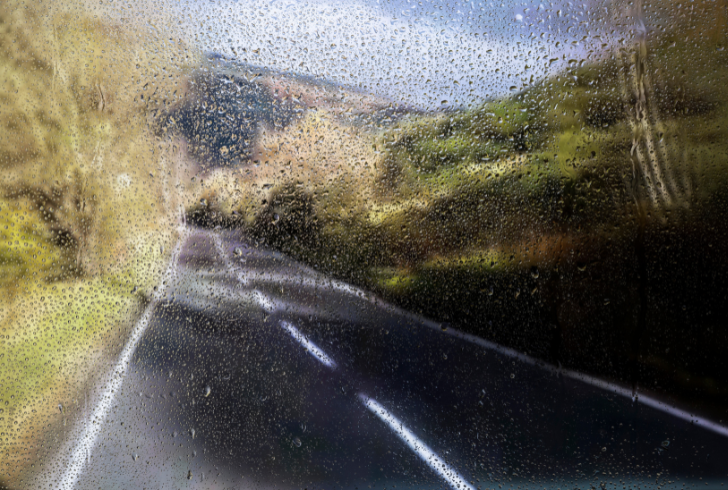
Freepik | Off-gassing releases interior chemicals that settle on glass and create a greasy window film.
That “new car smell” many drivers enjoy? It’s actually the scent of chemicals like benzene, toluene, and formaldehyde being released into the air. While that smell fades over time, the gases continue to emit, coating the windows in a fine, oily film.
Many of these compounds are used to make interiors flame-retardant, stain-resistant, and water-repellent. Unfortunately, they can linger in enclosed spaces, sticking to windows and other surfaces inside the vehicle.
Are These Chemicals Dangerous?
Some of the substances responsible for off-gassing, such as polybrominated diphenyl ethers (PBDEs), were once widely used as flame retardants. Though banned by the Stockholm Convention in 2019, exceptions still exist for automakers and suppliers. The United States hasn’t fully adopted those restrictions, which means new cars may still contain small amounts of these compounds.
Over time, drivers and passengers inhale trace amounts of these chemicals. While levels are typically low, minimizing exposure is always a smart choice, especially in closed spaces like cars. Regular ventilation and cleaning can help limit buildup and reduce potential risks.
Could Something Else Be Causing It?
While off-gassing is the leading cause of window haze, it’s not the only one. Sometimes, other factors play a role:
1. Coolant leaks – A leaky heater core can send coolant vapor through air vents. This creates a sticky film that smells sweet, much like antifreeze.
2. Smoking or vaping – Both release fine particles that cling to interior surfaces, worsening visibility.
3. Cleaning and air products – Certain detailing sprays and air fresheners can leave residue behind.
4. Dirty cabin air filters – When clogged, they recirculate dust and contaminants that eventually settle on glass.
Recognizing the source can help you pick the right cleaning approach and prevent future buildup.
Keeping the Glass Crystal Clear
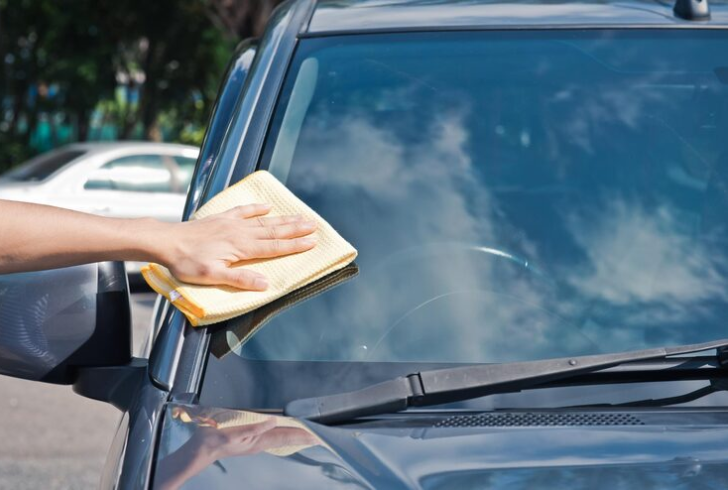
Freepik | Regular cleaning and good airflow keep car windows clear and improve driving visibility.
Completely stopping off-gassing isn’t possible, but managing it is easy with consistent cleaning habits. Start by using a microfiber cloth and a quality glass cleaner made specifically for automotive interiors. Avoid household cleaners that may contain ammonia, they can damage tint or interior materials.
Here’s how to maintain spotless glass:
1. Wipe windows weekly, especially during warmer months.
2. Keep your car ventilated when parked in the sun.
3. Replace the cabin air filter regularly.
4. Limit use of heavy-scented air fresheners or interior sprays.
Clean windows not only improve visibility but also give your cabin a fresher, healthier feel.
That cloudy haze might seem like a small issue, but it can quickly become a safety concern when driving at night or in bright sunlight. Staying proactive with cleaning makes all the difference. With regular care and attention, car owners can keep their windshields spotless, breathe easier, and enjoy every drive with a clear view of the road ahead.
More inAuto News
-
`
 What Qualifies a Vehicle for Classic Car Insurance?
Owning a classic car is about more than preserving an older vehicle. Many enthusiasts appreciate vintage automobiles because they are easier...
July 12, 2026 -
`
 NHTSA Launches ‘Special Investigation’ After Fatal Tesla Crash Into Texas Home
A deadly Tesla crash in Texas is now at the center of a federal safety investigation. The U.S. National Highway Traffic...
July 8, 2026 -
`
 “Grand Theft Auto VI” Cover Art Revealed
Rockstar Games gave fans a fresh look at “Grand Theft Auto VI” after releasing the game’s official cover art on Thursday....
July 5, 2026 -
`
 Why ‘Super Commuting’ Is Becoming a New Normal in Northern California
For thousands of workers across Northern California, a long drive to work is no longer an occasional inconvenience. It has become...
July 3, 2026 -
`
 Why Advanced Headlights Used Worldwide Are Still Restricted in America
Night driving was once associated with quieter roads and a calmer driving experience. Today, many motorists face a different reality. Intense...
June 28, 2026 -
`
 How 2026 Graduates Can Establish a Solid Financial Ground for Future Decades
Graduation marks the beginning of a new financial chapter filled with opportunities, responsibilities, and choices that can shape the future. The...
June 26, 2026 -
`
 Is Running Your AC All Day Saving Money or Raising Energy Bill?
As temperatures climb, air conditioners become one of the hardest-working appliances in many homes. A common belief is that keeping an...
June 21, 2026 -
`
 Everything You Ought to Know About Car Insurance in Texas
Texas drivers cover millions of miles every day. They go through packed highways in Houston, long stretches of interstate roads in...
June 18, 2026 -
`
 Why Liability Auto Insurance Is Required but Full Coverage Isn’t
Car insurance rules often feel uneven. One part is enforced by law, while another is left to personal choice or financial...
June 14, 2026
More From CashRoadster
-
 Adding Your Teen to Your Car Insurance? Costs and Ways to Save
A newly licensed teen can bring excitement to a household, but the first auto insurance bill may bring a surprise. Young...
DrivingSeptember 19, 2026 -
 Here’s How Much Spending Money Your College Student Should Get
The tuition is paid, the dorm room is booked, the meal plan is set, and the car is packed. Your college...
AdviceSeptember 18, 2026 -
 How Much Money Should You Keep in an Emergency Fund?
With everyday expenses remaining high across the U.S. in 2026, an emergency fund can provide a needed buffer when an unexpected...
AdviceSeptember 13, 2026 -
 How Staying With the Same Car Costs You More in Insurance
Loyalty usually sounds like something a company should reward. Stay with the same business for years, pay your bills on time,...
Car InsuranceSeptember 11, 2026 -
 State Farm Is Sending Out $5 Billion in Dividends. Here’s Who Qualifies
After several years of rising auto insurance costs, some State Farm customers are now getting money back. State Farm has started...
Car InsuranceSeptember 6, 2026
You must be logged in to post a comment Login