

Americans Spend 3% of Their Income on Car Insurance as Premiums Stabilize but Remain Historically High
Car insurance prices are no longer climbing at the pace seen over the past few years. That is welcome news for drivers who have watched premiums jump sharply since the pandemic. Even so, the relief is limited because the cost of coverage remains close to record highs, leaving many households with a larger insurance bill than they expected.
New data from The Zebra shows that Americans now spend about 3% of their annual income on car insurance. While premium growth has slowed, the impact of earlier price increases continues to stretch household budgets. For millions of drivers, coverage is still one of the highest ongoing costs of owning a vehicle.
Premium Growth Slows, but Costs Stay High
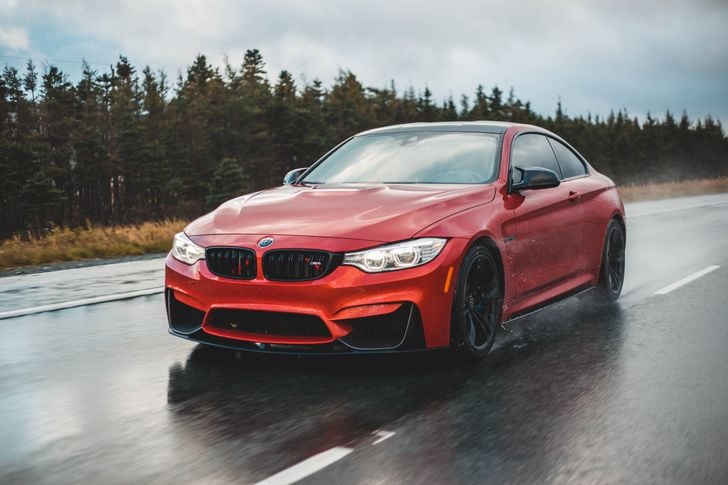
Introspect / Pexels / Average premiums increased by only 3% from 2024 to 2025, a sharp slowdown compared with the 18% jump recorded the previous year.
That change suggests insurers are moving away from the steep price hikes that frustrated drivers across the country.
Even with slower growth, drivers are still paying much more than they did just a few years ago. The Zebra initially projected that the average annual premium in 2026 would reach $2,256. A later report placed the national median annual premium at $2,079, showing that insurance remains a major expense despite the calmer pricing environment.
The national numbers only tell part of the story. Insurance costs continue to vary widely from state to state. Local claim trends, weather risks, repair costs, and traffic conditions all influence what drivers pay for coverage.
The Zebra expects 19 states to see premiums increase during the first half of 2026. At the same time, 13 states are projected to experience lower rates. Oregon, Maryland, and Utah could see increases ranging from 8% to 21%, while Vermont, Minnesota, and Mississippi may enjoy decreases between 6% and 13%.
Where Drivers Feel the Most Financial Pressure?
The Zebra introduced the Zebra Premium Pressure Index to measure how much of a driver’s income goes toward auto insurance. The new metric offers a clearer picture of affordability because it compares premiums with earnings instead of looking only at insurance prices.
Nationally, drivers now spend about 3% of their income on car insurance. That figure climbs much higher in several states where insurance costs have remained stubbornly expensive. Residents of Arkansas, Louisiana, and Florida spend close to 5% of their income on coverage, making insurance a much heavier financial burden.
Louisiana continues to rank as the most expensive state for auto insurance. The state’s median annual premium stands at $3,342, followed closely by Florida at $3,334. Frequent severe weather, high litigation costs, expensive claims, and dense traffic all contribute to those elevated prices.
Some states continue to offer much lower premiums. Vermont, Wyoming, and North Carolina remain among the most affordable markets, with median annual premiums below $1,400. Lower population density, fewer costly claims, and different legal environments help keep prices under control.
Location is Only Part of the Story

Gus / Pexels / Where someone lives is only one part of the pricing equation. Personal driving history, vehicle choice, and financial profile also influence insurance premiums.
Credit score remains one of the strongest pricing factors in many states. The Zebra found that drivers with poor credit pay a median of $1,805 more each year than drivers with excellent credit. In 27 states, having poor credit results in higher premiums than having a DUI conviction.
Vehicle selection also has a major effect on insurance costs. Among non-luxury vehicles, the Nissan GT-R is the most expensive model to insure, with monthly premiums approaching $400. The Ford Bronco sits at the opposite end of the scale, with average monthly premiums around $76.
Driving habits can quickly increase insurance bills as well. Texting while driving leads to an average premium increase of 17%, reflecting the growing concern over distracted driving. Insurance companies continue placing greater emphasis on behaviors that increase accident risk.
Luxury automakers have already started moving in that direction. Companies including Mercedes-Benz, Bentley, and Stellantis are partnering with major insurers to integrate coverage directly into the vehicle purchase process. Industry forecasts suggest the embedded insurance market could exceed $1 trillion in global gross written premiums by 2033.
More inCar Insurance
-
`
 Olympic Cyclist Pleads Guilty to Driving While Banned After Crash That Killed His Wife
Former Olympic cyclist Rohan Dennis has admitted to driving while disqualified, adding another chapter to a case that has drawn attention...
July 30, 2026 -
`
 Tesla’s Miami Robotaxi Launch Is Big News, but Will It Lift TSLA Stock?
Tesla continues to attract attention from both active traders and long-term investors, making TSLA one of the most closely watched stocks...
July 26, 2026 -
`
 All the Reasons Why You Shouldn’t Blindly Follow AI Money Advice
Artificial intelligence has quickly become part of everyday life. People now use AI to write emails, plan vacations, answer questions, and...
July 24, 2026 -
`
 Financial Advice From Millionaires That Could Actually Hurt Your Wallet
Money advice from millionaires often sounds convincing because it comes from people who have already built wealth. Still, success does not...
July 19, 2026 -
`
 Do You Really Need Rental Car Insurance? A Deeper Look
Renting a car feels simple until the person at the counter starts asking about insurance. Many travelers freeze at that moment...
July 17, 2026 -
`
 What Qualifies a Vehicle for Classic Car Insurance?
Owning a classic car is about more than preserving an older vehicle. Many enthusiasts appreciate vintage automobiles because they are easier...
July 12, 2026 -
`
 NHTSA Launches ‘Special Investigation’ After Fatal Tesla Crash Into Texas Home
A deadly Tesla crash in Texas is now at the center of a federal safety investigation. The U.S. National Highway Traffic...
July 8, 2026 -
`
 “Grand Theft Auto VI” Cover Art Revealed
Rockstar Games gave fans a fresh look at “Grand Theft Auto VI” after releasing the game’s official cover art on Thursday....
July 5, 2026 -
`
 Why ‘Super Commuting’ Is Becoming a New Normal in Northern California
For thousands of workers across Northern California, a long drive to work is no longer an occasional inconvenience. It has become...
July 3, 2026
More From CashRoadster
-
 Simone Biles Says Three Masked Men Stole Her Six-Figure Porsche
Simone Biles has shared details about a frightening incident that happened during her final months in Chicago. The Olympic gold medalist...
AdviceOctober 10, 2026 -
 How to Lower Your Car Insurance Premium Without Dropping Essential Coverage?
Car insurance can feel painfully expensive, especially when your driving record has not changed. You renew the same policy, drive the...
Car InsuranceOctober 8, 2026 -
 California Proposes New Auto Insurance Rules for Single Drivers
California drivers could see a change in how auto insurance companies set premiums. Insurance Commissioner Ricardo Lara has announced a proposed...
Car InsuranceOctober 4, 2026 -
 Credit Acceptance Pays $710 Million to Settle Predatory Auto Lending Claims
One of America’s largest subprime auto lenders has agreed to a massive settlement over allegations that it put financially vulnerable drivers...
Auto NewsOctober 1, 2026 -
 EV vs. Hybrid vs. Gas | Which Car Works Best for a Road Trip?
A long road trip can reveal differences that city driving often hides. Charging time, fuel stops, highway range, energy prices, and...
Auto NewsSeptember 27, 2026
You must be logged in to post a comment Login