

How Staying With the Same Car Costs You More in Insurance
Loyalty usually sounds like something a company should reward. Stay with the same business for years, pay your bills on time, and you might expect better treatment than someone who just walked through the door. Car insurance does not always work that way. Staying with the same insurer without checking competing prices can leave drivers paying hundreds of dollars more than necessary, even if they have a clean driving record.
The problem is not simply that insurance gets more expensive every year. Insurers regularly change the way they calculate risk, respond to repair costs, adjust to claims trends, and compete for new customers. That means the company offering you the best price three years ago may no longer be the cheapest choice. Another insurer could look at the same driver, vehicle, location, and coverage needs and produce a very different quote.
Drivers are starting to notice. J.D. Power found that a record 57% of auto insurance customers shopped for another policy in 2025, up from 49% a year earlier. Shopping eased to 53% in 2026, but it remains high by historical standards.
Car Insurance Loyalty Does Not Always Pay

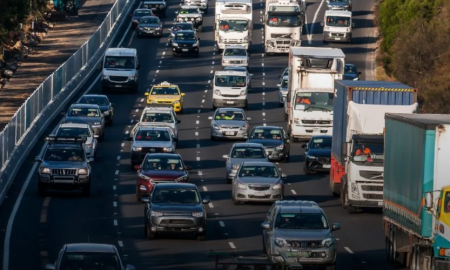
CRZ / Pexels / Depending on the insurer and state rules, those factors can include your driving history, location, vehicle, mileage, claims record, coverage choices, age, and other permitted information.
Companies also weigh those factors differently. One insurer might view your profile as especially attractive, while another could charge considerably more for the same basic coverage.
That difference is why staying put can become expensive. Your current insurer does not need to remain the cheapest company simply because it offered the best deal when you originally signed up.
Some insurers have also used a controversial practice known as price optimization. Instead of looking only at the expected cost of insuring a customer, pricing models can attempt to estimate how sensitive that person is to a rate increase.
Consumer Reports has previously explained how the numbers can become misleading. An insurer could raise a customer’s underlying price while also offering a loyalty discount, leaving the customer paying more despite receiving something labeled as a reward.
More Drivers Are Shopping and Switching
Years of rising insurance costs have changed how Americans approach renewals. J.D. Power reported that 57% of auto insurance customers actively shopped for another policy in 2025, the highest percentage recorded in the study’s 19-year history.
Customers did more than browse prices. J.D. Power’s 2026 industry outlook reported that 29% of insurance customers switched insurers during 2025, showing that more shoppers were finding enough value elsewhere to actually leave.
Even traditionally loyal customers are becoming harder to keep. Insurers often consider customers who bundle several policies especially valuable because they tend to stay longer and maintain deeper relationships with the company. That loyalty is weakening. J.D. Power found that only 51% of these high-value customers said they would definitely renew with their existing insurer.
J.D. Power found that customers who understand the reason for a premium increase are generally much more satisfied with the price. A renewal that suddenly jumps without a clear explanation can have the opposite effect and send customers searching. The shopping habit has continued into 2026. J.D. Power found that shoppers are now requesting an average of 3.5 quotes, the highest figure it has recorded.
Make Your Renewal Date Work for You
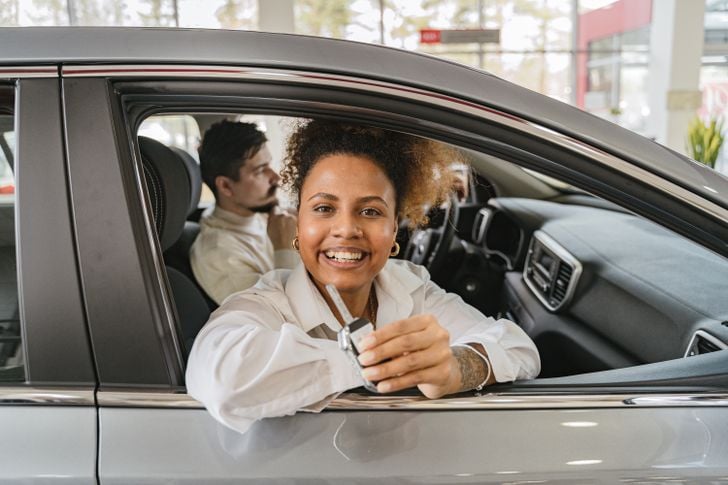
SHK / Pexels / The easiest time to compare car insurance is before your current policy renews. Waiting until the renewal has already processed can make switching feel more complicated and may introduce cancellation issues.
Start early enough to collect several quotes using the same coverage limits. Comparing a bare-bones policy with your current full coverage plan tells you very little because the lower price may simply reflect weaker protection.
Keep deductibles consistent as well. A quote can look dramatically cheaper when the collision or comprehensive deductible jumps from $500 to $2,000, but that change leaves you responsible for much more after a covered claim.
Once you find a better offer, give your current insurer a chance to review your policy. Ask why the rate increased and check if changes in mileage, vehicle use, discounts, deductibles, or other details could lower the premium.
More inCar Insurance
-
`
 Auto.m Autonomous Taxi Concept Wins 2026 Red Dot Award
Cities are exploring new ways to improve transportation as demand grows for cleaner, smarter, and more convenient mobility solutions. Autonomous vehicles...
August 1, 2026 -
`
 Olympic Cyclist Pleads Guilty to Driving While Banned After Crash That Killed His Wife
Former Olympic cyclist Rohan Dennis has admitted to driving while disqualified, adding another chapter to a case that has drawn attention...
July 30, 2026 -
`
 Tesla’s Miami Robotaxi Launch Is Big News, but Will It Lift TSLA Stock?
Tesla continues to attract attention from both active traders and long-term investors, making TSLA one of the most closely watched stocks...
July 26, 2026 -
`
 All the Reasons Why You Shouldn’t Blindly Follow AI Money Advice
Artificial intelligence has quickly become part of everyday life. People now use AI to write emails, plan vacations, answer questions, and...
July 24, 2026 -
`
 Financial Advice From Millionaires That Could Actually Hurt Your Wallet
Money advice from millionaires often sounds convincing because it comes from people who have already built wealth. Still, success does not...
July 19, 2026 -
`
 Do You Really Need Rental Car Insurance? A Deeper Look
Renting a car feels simple until the person at the counter starts asking about insurance. Many travelers freeze at that moment...
July 17, 2026 -
`
 What Qualifies a Vehicle for Classic Car Insurance?
Owning a classic car is about more than preserving an older vehicle. Many enthusiasts appreciate vintage automobiles because they are easier...
July 12, 2026 -
`
 NHTSA Launches ‘Special Investigation’ After Fatal Tesla Crash Into Texas Home
A deadly Tesla crash in Texas is now at the center of a federal safety investigation. The U.S. National Highway Traffic...
July 8, 2026 -
`
 “Grand Theft Auto VI” Cover Art Revealed
Rockstar Games gave fans a fresh look at “Grand Theft Auto VI” after releasing the game’s official cover art on Thursday....
July 5, 2026
More From CashRoadster
-
 Why ‘Moneymaxxing’ Can Boost Your Savings but Going Too Far Can Cost You More Than It Saves!
Saving money has a new social media name, and it sounds much more exciting than balancing a budget. The trend is...
AdviceOctober 15, 2026 -
 Simone Biles Says Three Masked Men Stole Her Six-Figure Porsche
Simone Biles has shared details about a frightening incident that happened during her final months in Chicago. The Olympic gold medalist...
AdviceOctober 10, 2026 -
 How to Lower Your Car Insurance Premium Without Dropping Essential Coverage?
Car insurance can feel painfully expensive, especially when your driving record has not changed. You renew the same policy, drive the...
Car InsuranceOctober 8, 2026 -
 California Proposes New Auto Insurance Rules for Single Drivers
California drivers could see a change in how auto insurance companies set premiums. Insurance Commissioner Ricardo Lara has announced a proposed...
Car InsuranceOctober 4, 2026 -
 Credit Acceptance Pays $710 Million to Settle Predatory Auto Lending Claims
One of America’s largest subprime auto lenders has agreed to a massive settlement over allegations that it put financially vulnerable drivers...
Auto NewsOctober 1, 2026
You must be logged in to post a comment Login