
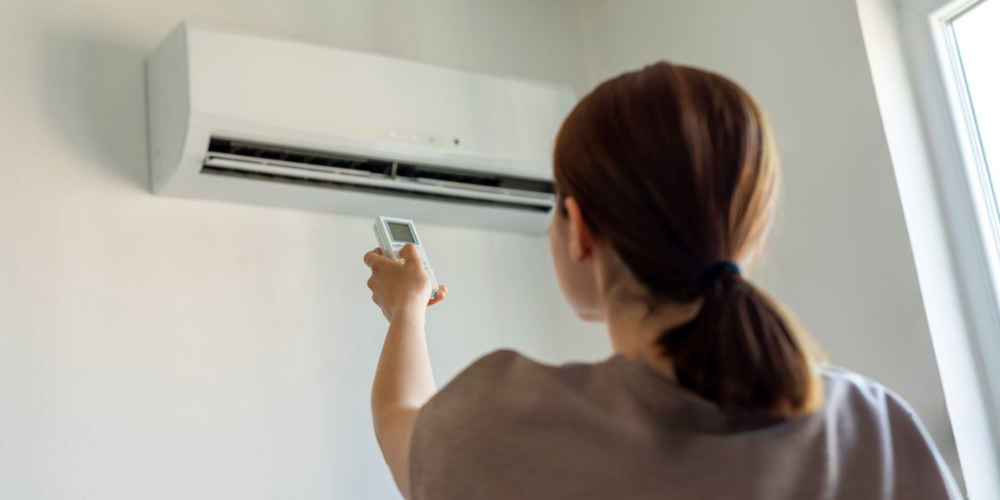
Is Running Your AC All Day Saving Money or Raising Energy Bill?
As temperatures climb, air conditioners become one of the hardest-working appliances in many homes. A common belief is that keeping an AC running at a steady temperature all day helps reduce energy costs. While that idea sounds practical, HVAC professionals say the answer is not that simple.
The amount of money an air conditioner uses depends on several factors, including occupancy, humidity levels, insulation, thermostat settings, and the age of the system. In some situations, running the unit continuously can maintain comfort efficiently. In others, it can lead to unnecessary energy consumption and higher utility bills.
Does Running an AC All Day Save Money?
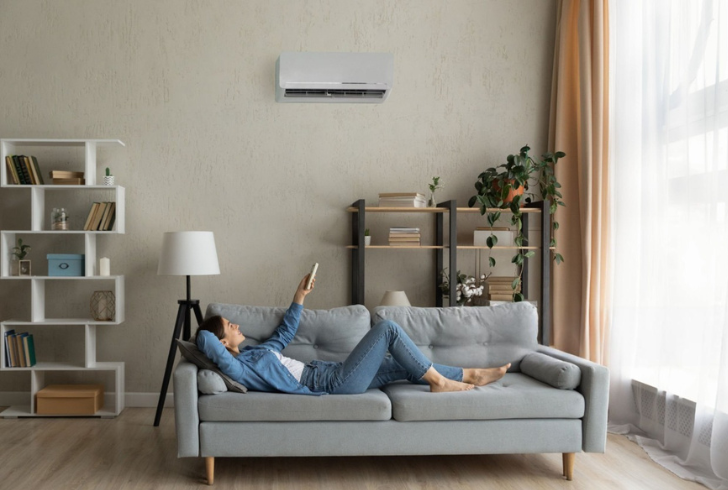
Pexels | Continuous AC operation drains electricity and strains components rather than boosting efficiency.
HVAC specialists agree that there is no universal answer. The efficiency of an air conditioning system depends more on how it operates than how long it stays on.
Jody Wright, owner of Wright Home Services, explains, “I usually tell homeowners the goal isn’t to have the AC running all day; it’s to have it running efficiently. A properly maintained system should cycle on and off normally. If it’s constantly running, that can point to airflow problems, insulation issues, or a system that’s struggling to keep up.”
An air conditioner is designed to cycle throughout the day. When a system runs without stopping, it may indicate an underlying issue rather than efficient performance. Constant operation can increase electricity use and place additional strain on components.
Energy waste becomes even more likely when the home remains empty for extended periods while the AC continues cooling unused rooms.
Why Occupancy Matters
According to HVAC expert Patrick Gambel, keeping the air conditioner on throughout the day is neither automatically good nor bad. The decision largely depends on household routines and comfort preferences.
“If you’re home throughout the day, it usually makes sense to keep the AC running normally so the house stays comfortable and the humidity doesn’t build up inside. But if nobody’s home for most of the day, there’s really no need to keep the AC running in your home all day long,” says Gambel.
When people spend most of the day indoors, maintaining a comfortable temperature often makes sense. Consistent cooling can also help control indoor humidity, which plays a major role in overall comfort during summer.
On the other hand, cooling an empty house for hours may increase energy costs without providing any real benefit.
When Keeping the AC Running Can Be Beneficial
Although shutting the system off completely may seem like the best way to save money, experts caution against that approach in many homes.
Jon Hill, an HVAC expert based in Oklahoma City, recommends adjusting the thermostat instead of turning the unit off entirely.
“Most of the time I would not recommend completely shutting the system off while you are at work. Usually it makes more sense to raise the thermostat several degrees instead,” Hill says.
Many homes experience significant heat buildup during the day. When indoor temperatures rise dramatically, the air conditioner may need to operate for several hours straight once occupants return home.
Hill adds, “A lot of people think turning it completely off always saves money, but that’s not necessarily true in every house. If the house gets extremely hot during the day, especially with humidity buildup, the AC may have to run for hours nonstop trying to catch back up once you get home.”
For this reason, moderate temperature adjustments often provide a better balance between comfort and energy savings.
Common AC Habits That Increase Energy Use
One of the most frequent mistakes involves the fan setting on the thermostat.
Patrick Gambel says many homeowners leave the fan set to “On” rather than “Auto.”
“One thing I see many people do that wastes energy is leaving the fan set to ‘On’ instead of ‘Auto,’ especially when nobody’s home,” he explains. “When the fan is set to ‘On,’ it runs continuously and doesn’t stop, so it uses more electricity and can increase your energy bill.”
With the “Auto” setting, the fan operates only when the cooling cycle is active. This reduces unnecessary electricity usage while still maintaining airflow when needed.
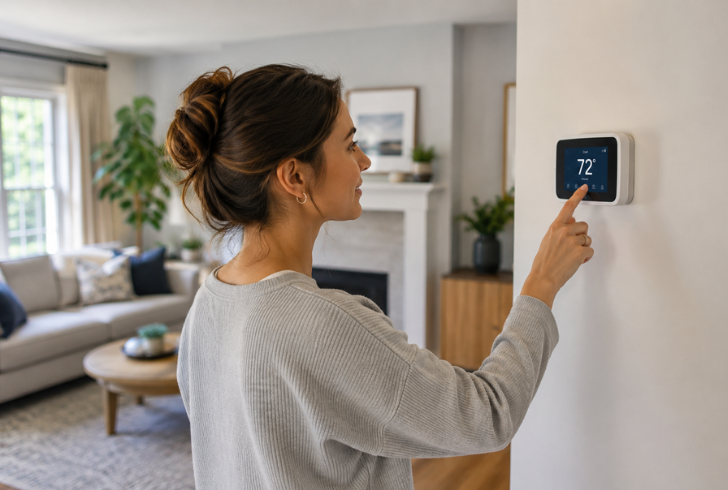
Freepik AI | Switch your thermostat fan from “On” to “Auto” to save electricity and reduce unnecessary wear.
Another mistake involves shutting the system down completely in humid climates. Excess humidity can make indoor spaces uncomfortable and create conditions that are harder for the air conditioner to correct later.
Instead of switching the AC off, experts recommend increasing the temperature while the home is empty.
Hill notes, “AC systems are designed to cycle on and off all day. That’s normal. A pretty good rule of thumb is raising the thermostat around 4-8 degrees while you are away. So if you normally keep it at 72, maybe let it go to 78 during work hours.”
This approach helps reduce energy use while preventing large temperature swings inside the home. It also limits humidity buildup and shortens the recovery time needed when occupants return.
Simple Ways to Improve AC Efficiency
Small adjustments can make a noticeable difference in both comfort and energy consumption. HVAC professionals recommend keeping the system in good condition and reducing the workload whenever possible.
Several practical steps include:
1. Scheduling annual maintenance before peak cooling season.
2. Replacing air filters regularly.
3. Installing a programmable or smart thermostat.
4. Using ceiling fans to improve air circulation.
5. Keeping windows and doors closed while the AC is operating.
6. Closing blinds or curtains during the hottest hours of the day.
7. Cleaning the outdoor condenser coil.
8. Improving attic insulation to reduce heat transfer.
Each of these measures helps the system cool the home more effectively while using less energy.
Running an air conditioner all day does not automatically save money, nor does turning it off guarantee lower energy bills. The most efficient strategy depends on how the home is used, local humidity levels, insulation quality, and thermostat settings.
HVAC professionals consistently recommend allowing the system to operate as designed while making smart temperature adjustments when the house is empty. A well-maintained unit that cycles normally, combined with thoughtful thermostat management, often delivers the best mix of comfort, energy efficiency, and long-term savings.
More inAdvice
-
`
 Why Removing Chinese Hardware Could Disrupt the U.S. Auto Industry
The U.S. auto industry is entering a new chapter. This time, the challenge is not electric vehicles, battery technology, or self-driving...
August 6, 2026 -
`
 Auto.m Autonomous Taxi Concept Wins 2026 Red Dot Award
Cities are exploring new ways to improve transportation as demand grows for cleaner, smarter, and more convenient mobility solutions. Autonomous vehicles...
August 1, 2026 -
`
 Olympic Cyclist Pleads Guilty to Driving While Banned After Crash That Killed His Wife
Former Olympic cyclist Rohan Dennis has admitted to driving while disqualified, adding another chapter to a case that has drawn attention...
July 30, 2026 -
`
 Tesla’s Miami Robotaxi Launch Is Big News, but Will It Lift TSLA Stock?
Tesla continues to attract attention from both active traders and long-term investors, making TSLA one of the most closely watched stocks...
July 26, 2026 -
`
 All the Reasons Why You Shouldn’t Blindly Follow AI Money Advice
Artificial intelligence has quickly become part of everyday life. People now use AI to write emails, plan vacations, answer questions, and...
July 24, 2026 -
`
 Financial Advice From Millionaires That Could Actually Hurt Your Wallet
Money advice from millionaires often sounds convincing because it comes from people who have already built wealth. Still, success does not...
July 19, 2026 -
`
 Do You Really Need Rental Car Insurance? A Deeper Look
Renting a car feels simple until the person at the counter starts asking about insurance. Many travelers freeze at that moment...
July 17, 2026 -
`
 What Qualifies a Vehicle for Classic Car Insurance?
Owning a classic car is about more than preserving an older vehicle. Many enthusiasts appreciate vintage automobiles because they are easier...
July 12, 2026 -
`
 NHTSA Launches ‘Special Investigation’ After Fatal Tesla Crash Into Texas Home
A deadly Tesla crash in Texas is now at the center of a federal safety investigation. The U.S. National Highway Traffic...
July 8, 2026
More From CashRoadster
-
 Why ‘Moneymaxxing’ Can Boost Your Savings but Going Too Far Can Cost You More Than It Saves!
Saving money has a new social media name, and it sounds much more exciting than balancing a budget. The trend is...
AdviceOctober 15, 2026 -
 Simone Biles Says Three Masked Men Stole Her Six-Figure Porsche
Simone Biles has shared details about a frightening incident that happened during her final months in Chicago. The Olympic gold medalist...
AdviceOctober 10, 2026 -
 How to Lower Your Car Insurance Premium Without Dropping Essential Coverage?
Car insurance can feel painfully expensive, especially when your driving record has not changed. You renew the same policy, drive the...
Car InsuranceOctober 8, 2026 -
 California Proposes New Auto Insurance Rules for Single Drivers
California drivers could see a change in how auto insurance companies set premiums. Insurance Commissioner Ricardo Lara has announced a proposed...
Car InsuranceOctober 4, 2026 -
 Credit Acceptance Pays $710 Million to Settle Predatory Auto Lending Claims
One of America’s largest subprime auto lenders has agreed to a massive settlement over allegations that it put financially vulnerable drivers...
Auto NewsOctober 1, 2026
You must be logged in to post a comment Login