
For some drivers, the highway feels less like freedom and more like fear. Even after years of experience, many still tense up at the thought of merging into fast-moving traffic. This anxiety is more common than most realize, and experts say understanding its roots can be the key to overcoming it.
Mary McCarthy knows this feeling well. After nearly two decades of driving, she’s only used motorways a handful of times. Each trip left her frozen with panic, gripping the wheel as cars rushed past. She compared the experience to playing “Mario Kart”, except the stakes felt real. Even as a passenger, tension takes over, making every long trip exhausting.
The Hidden Cause Behind Motorway Fear

Driving anxiety isn’t just about the road itself. According to driving instructor Diane Curtis Knight, fear often stems from deeper emotional stress that shows up behind the wheel. The motorway becomes the stage where hidden worries surface.
Knight encourages anxious drivers to change their self-talk. Instead of saying, “I can’t drive on highways,” she recommends adding one small but powerful word, “yet.” This shift opens the door to progress. Saying, “I can’t do it yet,” helps the brain accept that confidence is possible with time.
She also recommends keeping a simple journal. After each drive, rate your anxiety before and after the trip on a scale of one to ten. Over time, this makes patterns clear and often shows that anticipation feels worse than the drive itself. Gradually, this practice helps rebuild confidence behind the wheel.
How Lack of Practice Makes Anxiety Stronger
Tracey Field, a stress management coach, sees many similar situations through her platform, Confident Drivers. She explains that when one partner does most of the driving, anxiety can grow. Less practice leads to more uncertainty, which in turn fuels hesitation.
“Anxiety comes from not knowing what to expect,” Field says. “It’s not the driving itself—it’s the uncertainty when something unexpected occurs.” Gaining experience gradually can break this pattern.
Experts recommend starting with short highway drives during off-peak hours. Practicing smaller junctions or roundabouts can help the brain learn to associate driving with calm rather than stress.
Techniques That Actually Work
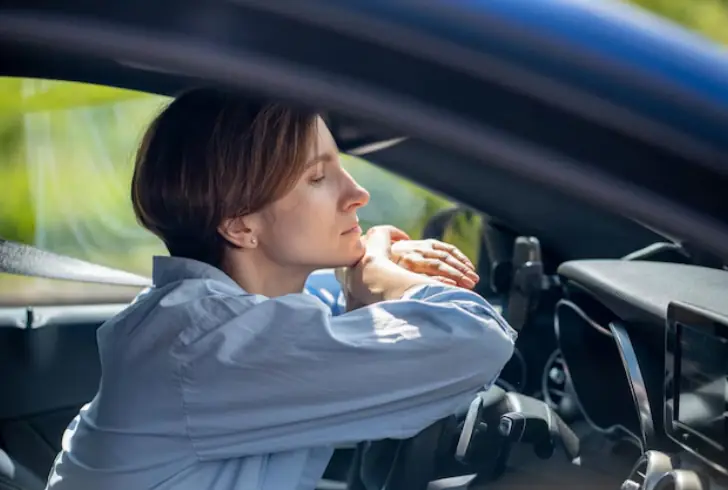
Experts agree that emotional regulation plays a big part in overcoming fear. Deep breathing, humming, or grounding exercises can lower anxiety quickly while driving. These tools allow the body to relax, which helps the brain focus on the task instead of the panic.
Practice sessions with a trained instructor can also make a difference. Many schools offer specific lessons for nervous drivers, where they can face real scenarios safely. Gradual exposure, guided by an expert, often turns anxiety into confidence.
Mary’s breakthrough came when she realized how much her fear limited her family life. As her children grew older, she noticed how often they missed events because public transport wasn’t an option. A simple 20-minute motorway drive could save hours of travel time. Her daughter’s question, “Why can’t you just lock in and drive?”, made her realize change was overdue.
Moving Forward with Confidence
As Mary approaches 50, she plans to take dedicated motorway lessons and face the fear head-on. Experts say this decision marks a crucial turning point. Fear only grows stronger when left unchallenged, but consistent, supported practice can rewrite the brain’s response to driving stress.
Highway anxiety doesn’t define a person’s ability behind the wheel. With patience, expert guidance, and gradual exposure, even lifelong fears can fade. Every small success builds strength for the next journey.
Confidence on the road comes from taking control, one mile at a time. With steady practice and the right mindset, drivers can replace dread with determination and finally enjoy the open road again.