
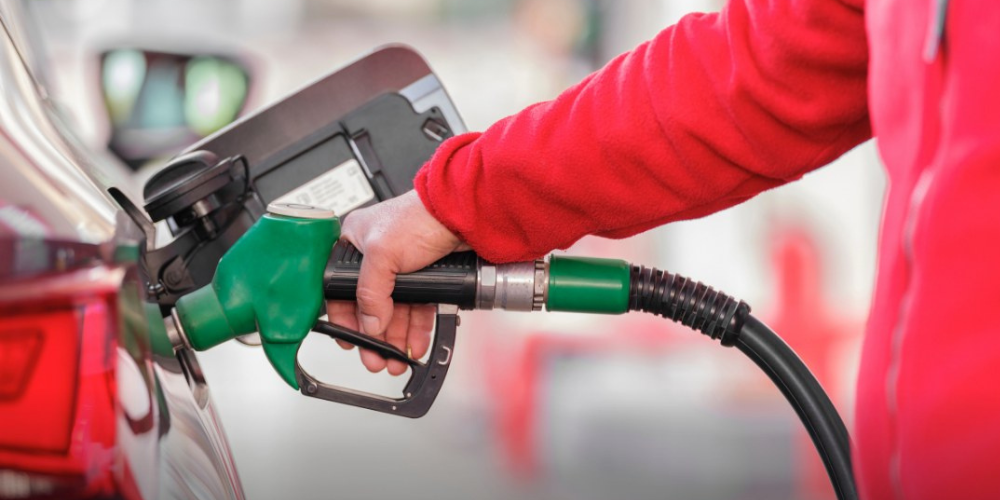
IEA Urges Consumers to Reduce Fuel Use Amid Middle East Tensions
The global energy market is facing a surge in oil prices, fueled by geopolitical tensions and supply disruptions. The International Energy Agency (IEA) has offered guidance to consumers, businesses, and industries on steps to reduce energy demand and ease price pressures.
With oil prices at their highest levels since 2022, the focus has shifted from supply solutions alone to immediate measures to lower consumption.
The conflict between the U.S. and Iran has disrupted oil production, pushing prices up by more than 40% since February 28. The Strait of Hormuz, a critical maritime route that carries roughly one-fifth of the world’s oil, has been effectively closed due to escalating attacks on Gulf energy infrastructure.
Traders have responded sharply, driving up not just crude oil prices but also refined products like diesel and jet fuel, which directly affect transportation, logistics, and consumer costs.
The IEA warned that current supply measures alone won’t offset “the largest supply disruption in the history of the global oil market.” Instead, the agency emphasized that reducing demand can provide quicker relief for consumers and help stabilize prices.
Practical Steps to Lower Energy Consumption

Freepik | Minimize commuting through remote work to save on fuel and reduce oil dependency.
Households and businesses can take several actions to reduce oil consumption and limit fuel costs:
1. Remote work – Encouraging work-from-home arrangements where feasible reduces daily commuting and fuel demand.
2. Transport adjustments – Lowering speed limits, increasing carpooling, using public transport, and alternating vehicle access in cities can reduce congestion and fuel use.
3. Air travel reduction – Cutting non-essential flights can relieve pressure on jet fuel demand.
4. Shift in cooking energy – Moving away from liquefied petroleum gas (LPG) for non-essential uses and adopting electric or clean cooking alternatives can help keep prices stable.
Road transport represents approximately 45% of global oil demand, making these measures particularly impactful.
Countries are also releasing strategic petroleum reserves to stabilize the market. The IEA approved a release of 400 million barrels of oil, the largest in its history, though no timeline has been given for the market impact.
Fiscal measures are being explored to shield consumers from rising costs. Spain plans to reduce VAT on fuel from 21% to 10% and remove a 5% tax on electricity. Italy has cut excise duties on fuel, and Germany is considering measures like windfall taxes on oil companies to ease consumer burdens.
Current Market Snapshot
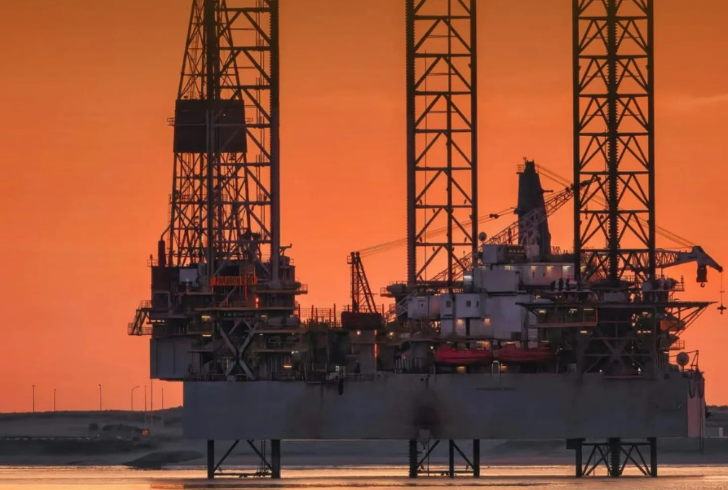
Instagram | thestatesmanltd | Oil markets show continued volatility, with Brent climbing to $109.93 while WTI stays flat at $96.20.
As of early Friday trading, Brent crude futures for May delivery increased by 1.3%, reaching $109.93 per barrel, while U.S. West Texas Intermediate futures for April delivery remained relatively steady at approximately $96.20 per barrel.
These numbers reflect ongoing volatility as the market responds to geopolitical events and supply concerns.
While policymakers continue managing supply disruptions, demand-side interventions provide a faster way to ease pressure on consumers. The IEA emphasizes that households and businesses can play a direct role in energy security and price stabilization by adopting practical, everyday measures—from working remotely to rethinking transportation and cooking energy.
By actively reducing demand, individuals and industries contribute to smoother energy markets, slower price spikes, and a more manageable path through the current global oil crisis.
More inAdvice
-
`
 Auto.m Autonomous Taxi Concept Wins 2026 Red Dot Award
Cities are exploring new ways to improve transportation as demand grows for cleaner, smarter, and more convenient mobility solutions. Autonomous vehicles...
August 1, 2026 -
`
 Olympic Cyclist Pleads Guilty to Driving While Banned After Crash That Killed His Wife
Former Olympic cyclist Rohan Dennis has admitted to driving while disqualified, adding another chapter to a case that has drawn attention...
July 30, 2026 -
`
 Tesla’s Miami Robotaxi Launch Is Big News, but Will It Lift TSLA Stock?
Tesla continues to attract attention from both active traders and long-term investors, making TSLA one of the most closely watched stocks...
July 26, 2026 -
`
 All the Reasons Why You Shouldn’t Blindly Follow AI Money Advice
Artificial intelligence has quickly become part of everyday life. People now use AI to write emails, plan vacations, answer questions, and...
July 24, 2026 -
`
 Financial Advice From Millionaires That Could Actually Hurt Your Wallet
Money advice from millionaires often sounds convincing because it comes from people who have already built wealth. Still, success does not...
July 19, 2026 -
`
 Do You Really Need Rental Car Insurance? A Deeper Look
Renting a car feels simple until the person at the counter starts asking about insurance. Many travelers freeze at that moment...
July 17, 2026 -
`
 What Qualifies a Vehicle for Classic Car Insurance?
Owning a classic car is about more than preserving an older vehicle. Many enthusiasts appreciate vintage automobiles because they are easier...
July 12, 2026 -
`
 NHTSA Launches ‘Special Investigation’ After Fatal Tesla Crash Into Texas Home
A deadly Tesla crash in Texas is now at the center of a federal safety investigation. The U.S. National Highway Traffic...
July 8, 2026 -
`
 “Grand Theft Auto VI” Cover Art Revealed
Rockstar Games gave fans a fresh look at “Grand Theft Auto VI” after releasing the game’s official cover art on Thursday....
July 5, 2026
More From CashRoadster
-
 Simone Biles Says Three Masked Men Stole Her Six-Figure Porsche
Simone Biles has shared details about a frightening incident that happened during her final months in Chicago. The Olympic gold medalist...
AdviceOctober 10, 2026 -
 How to Lower Your Car Insurance Premium Without Dropping Essential Coverage?
Car insurance can feel painfully expensive, especially when your driving record has not changed. You renew the same policy, drive the...
Car InsuranceOctober 8, 2026 -
 California Proposes New Auto Insurance Rules for Single Drivers
California drivers could see a change in how auto insurance companies set premiums. Insurance Commissioner Ricardo Lara has announced a proposed...
Car InsuranceOctober 4, 2026 -
 Credit Acceptance Pays $710 Million to Settle Predatory Auto Lending Claims
One of America’s largest subprime auto lenders has agreed to a massive settlement over allegations that it put financially vulnerable drivers...
Auto NewsOctober 1, 2026 -
 EV vs. Hybrid vs. Gas | Which Car Works Best for a Road Trip?
A long road trip can reveal differences that city driving often hides. Charging time, fuel stops, highway range, energy prices, and...
Auto NewsSeptember 27, 2026
You must be logged in to post a comment Login