
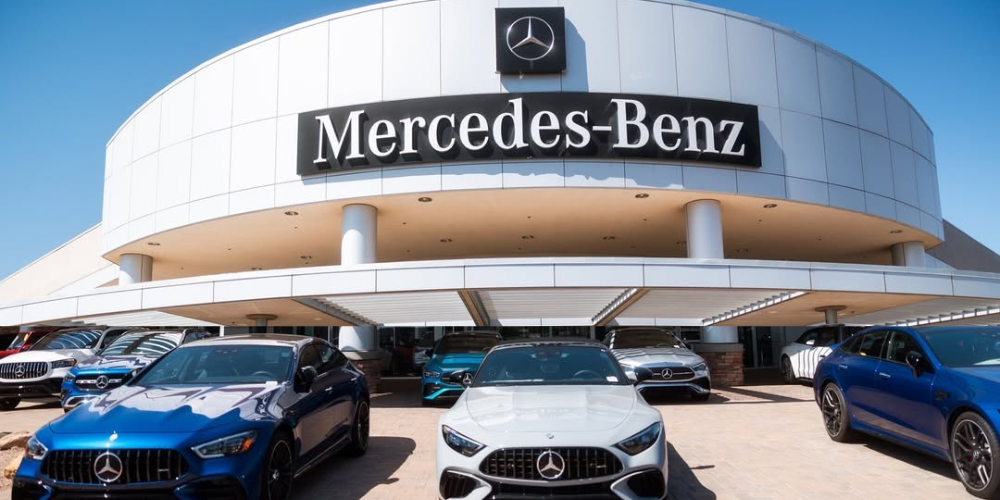
Mercedes-Benz Cuts Costs, Prioritizes Combustion Engines for Profit Boost
The automotive landscape is shifting, and one major player is recalibrating its strategy to navigate the evolving market. In a bid to boost profitability, Mercedes is cutting costs, streamlining production, and renewing its focus on combustion engine vehicles — all while continuing to invest in electric models. This recalibration comes as the company prepares for a challenging financial year, with expectations of significantly lower earnings in 2025.
A New Model Lineup
By 2027, Mercedes plans to roll out 19 new combustion engine models and 17 electric vehicles. This lineup signals a pivot back to gas and diesel options after a dip in electric vehicle sales last year. Despite pressure to accelerate the EV transition, the company remains committed to its “value over volume” strategy — producing fewer vehicles but focusing on higher-margin luxury models.
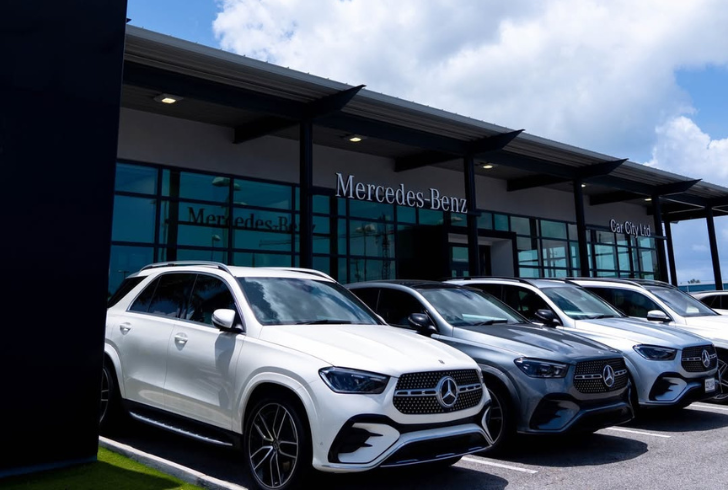
Instagram | mercedescayman | Mercedes-Benz focuses on luxury and profit over mass sales.
According to the company’s Chief Financial Officer, the continued dominance of combustion engine sales is actually a positive sign for profit margins. While EV adoption is growing globally, demand for high-end gasoline models remains strong, especially among loyal buyers who value luxury and performance.
Strategic Production Shifts and Global Resilience
Mercedes is localizing more production in key markets like China and the United States to shield itself from global trade uncertainties. This move helps mitigate risks associated with potential tariffs, including the threat of a 25% vehicle import tax in the U.S.
Interestingly, while the company remains committed to its German roots, it’s shifting some production to Hungary, where manufacturing costs are around 70% lower. Despite these adjustments, the company has no plans to close its plants in Germany, signaling a careful balance between cost efficiency and maintaining its heritage.
Cost-Cutting Without Sacrificing Luxury
Reducing expenses is a top priority. The automaker aims to cut production costs by 10% by 2027 and by 20% by 2030. This extends beyond manufacturing — areas like finance, HR, and procurement will also see changes, with some tasks outsourced to optimize operations.
The workforce will gradually shrink through voluntary redundancies and by not replacing retiring employees. These measures reflect a broader trend across the European auto industry, where companies are adjusting to high energy and labor costs to stay competitive globally.
Facing Market Challenges Head-On
Instagram | tiphconcepts | Mercedes-Benz stays focused on luxury and profit despite challenges.
The outlook for 2025 remains tough, with the company bracing for another decline in earnings following a steep drop in 2024. The luxury market, especially in China, has proven unpredictable, and rising competition from local EV makers is intensifying the pressure.
An investment strategist noted that both luxury sales and Chinese market growth are crucial to the brand’s long-term success. The next few years will test the company’s ability to adapt, balancing its prestigious image with the need to capture a changing consumer base.
Staying Competitive in an Evolving Market
Despite the hurdles, Mercedes is not backing down. It’s pouring resources into strengthening its presence in China but steering clear of aggressive price cuts that some competitors have used to boost EV sales. The company seems determined to maintain its reputation for high-quality, high-performance vehicles rather than chasing short-term gains.
This careful balance — refining the combustion engine lineup while continuing to develop EVs, cutting costs without sacrificing quality, and localizing production to navigate global trade shifts — could help the automaker weather the storm.
By staying adaptable and focused on delivering luxury, Mercedes is positioning itself not just to survive market challenges but to thrive as the automotive industry evolves.
More inAuto News
-
`
 Is Running Your AC All Day Saving Money or Raising Energy Bill?
As temperatures climb, air conditioners become one of the hardest-working appliances in many homes. A common belief is that keeping an...
June 21, 2026 -
`
 Everything You Ought to Know About Car Insurance in Texas
Texas drivers cover millions of miles every day. They go through packed highways in Houston, long stretches of interstate roads in...
June 18, 2026 -
`
 Why Liability Auto Insurance Is Required but Full Coverage Isn’t
Car insurance rules often feel uneven. One part is enforced by law, while another is left to personal choice or financial...
June 14, 2026 -
`
 Mitsubishi Ends its U.S. Pickup Hiatus With Nissan-sourced Truck Aimed at Toyota Tacoma & Chevy Colorado
Mitsubishi is getting ready for a major comeback in the United States. After years of sitting on the sidelines in key...
June 12, 2026 -
AISD-77 fallback smoke aisd-77-smoke-72138678
Verifying the WordPress publisher’s auth-fallback cascade. This draft post can be deleted.
June 10, 2026 -
AISD-77 fallback smoke aisd-77-smoke-7c83fc49
Verifying the WordPress publisher’s auth-fallback cascade. This draft post can be deleted.
June 10, 2026 -
`
 Android Auto’s Next Update Signals a Major Shift in In-Car Experience
Driving interfaces are starting to feel less like basic infotainment systems and more like connected smart devices. Google’s latest Android Auto...
June 7, 2026 -
`
 Tesla Officially Launches Its Full Self-Driving (FSD) Package in China
Tesla has finally crossed a major hurdle in China. After years of regulatory roadblocks, speculation, and industry chatter, the company has...
June 6, 2026 -
`
 Why Tesla’s Promise of Unsupervised Driving Is Facing Major Roadblocks
For years, Tesla’s promise of Full Self-Driving (FSD) has stood at the center of excitement, debate, and expectation. What started as...
May 31, 2026
More From CashRoadster
-
 Hyundai Gives Its Wild Baja Santa Fe Render the Green Light
The Hyundai Santa Fe is designed as a practical family SUV, but a new digital rendering gives it a very different...
Auto NewsAugust 30, 2026 -
 Andy Green and JCB Set New Hydrogen Speed Record of 406 MPH
Hydrogen power just had a very fast day in Utah. British land speed legend Andy Green drove the JCB Hydromax to...
DrivingAugust 27, 2026 -
 Ford Reveals “Fathom,” Its New Electric Truck With a $29,945 Price Tag
Ford is preparing a new electric pickup called the “Fathom,” with a planned starting price of $29,945 after destination. The truck...
DrivingAugust 22, 2026 -
 The Median Net Worth for Americans at Age 40 is Roughly $135k, Survey Shows
Turning 40 can make money feel more serious. Retirement no longer seems impossibly far away, housing costs may be substantial, and...
AdviceAugust 20, 2026 -
 Michigan Woman Loses $1,000 in Ghost Tapping Payment Scam
Contactless payments have made shopping faster than ever, but scammers are finding new ways to misuse the same technology. A recent...
AdviceAugust 15, 2026
You must be logged in to post a comment Login