
Trump’s Tariffs Could Cause a Spike in Car Insurance Prices in 2025
Car insurance premiums have already been rising, and 2025 may bring even higher costs for drivers. President Donald Trump’s proposed import tariffs on goods from Canada and Mexico could increase the price of vehicle repairs, pushing insurance rates up.
Experts warn that these changes may result in steeper premiums, making car ownership even more expensive.
Why Tariffs Impact Car Insurance Costs
Insurance rates depend on many factors, including the cost of repairing a damaged vehicle. Many auto parts—such as bumpers, fenders, transmissions, and trim pieces—are imported from Canada and Mexico.
When tariffs raise import costs, repair shops must pay more for these parts. Instead of absorbing the extra expense, they pass the cost to insurance companies, which then increase premiums for policyholders.
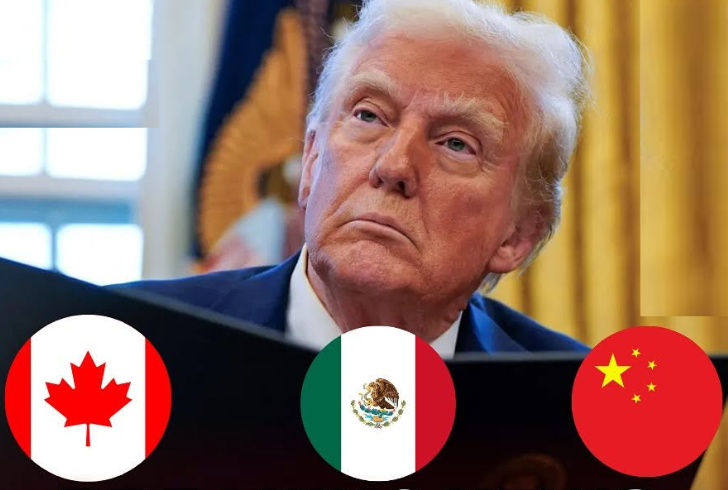
Instagram | maestro | Tariffs on Canada, Mexico, and China raise car repair costs and increase insurance rates.
According to the American Property Casualty Insurance Association, nearly 60% of auto parts used in the U.S. come from Canada, Mexico, and China. Some parts even cross the border multiple times before reaching repair shops. If tariffs take effect, the entire supply chain will feel the impact, leading to higher repair costs.
How Much Will Premiums Increase?
While insurance rates will not double overnight, analysts predict a noticeable rise. Insurify estimates that car insurance premiums could increase by 8%, reaching an average of $2,502 per year by the end of 2025. Without the tariffs, costs were expected to rise only 5%, reaching $2,435 annually.
The potential difference of $67 per year may not seem extreme, but it could add another financial burden on drivers when combined with rising fuel prices, maintenance costs, and inflation.
Uncertainty Surrounding Trump’s Tariffs
The exact details of Trump’s tariff plan remain unclear. He initially proposed a 25% duty on imports from Canada and Mexico, with an original enforcement date of February 1, 2025.
However, the deadline was pushed to March 4 and later moved again to April 2. If tariffs go into effect, insurance companies will likely adjust their pricing models to reflect the higher repair costs.
The Ripple Effect on the Auto Industry
These proposed tariffs could affect more than just insurance premiums. Price increases will affect the entire auto industry, from manufacturers to mechanics.
Higher Vehicle Prices
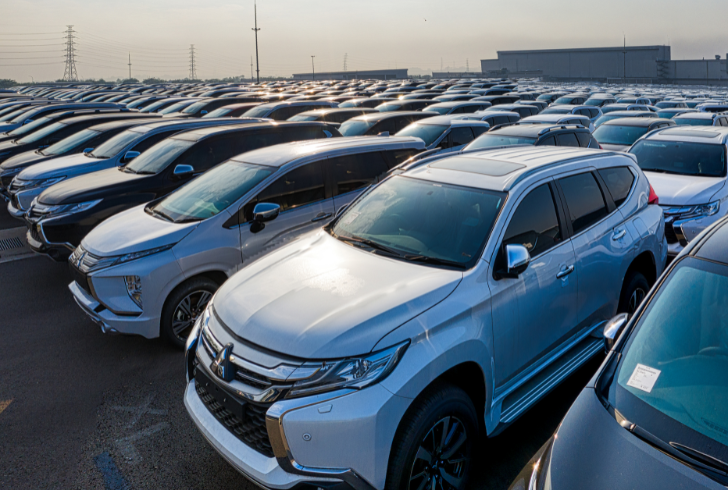
Pexels | Tom Fisk | Tariffs raise costs for the auto industry and mechanics, impacting prices and repairs.
Automakers rely on imported parts and raw materials to produce vehicles. If tariffs make these components more expensive, manufacturers may increase car prices, making it harder for consumers to afford new models.
Longer Repair Times
Since higher costs could limit access to certain parts, repair shops may struggle with supply shortages. This could lead to longer wait times for vehicle repairs, creating inconvenience for drivers.
Used Car Market Impact
As new car prices rise, more consumers may turn to used vehicles. Increased demand for pre-owned cars could drive up prices, making it harder to find affordable options.
What Can Drivers Do?
While drivers cannot control government policies, they can take steps to manage rising insurance costs.
1. Compare Insurance Quotes – Shopping around for better rates can help reduce costs.
2. Increase Deductibles – Choosing a higher deductible may lower monthly premiums.
3. Bundle Policies – Some insurers offer discounts for bundling auto and home insurance.
4. Maintain a Clean Record – Avoiding accidents and traffic violations can prevent rate hikes.
5. Consider Usage-Based Insurance – Some companies offer lower rates based on driving habits.
Will Tariffs Actually Happen?
Despite Trump’s strong stance on tariffs, enforcement remains uncertain. Lawmakers, business leaders, and industry experts continue debating the potential consequences. If tariffs get delayed or adjusted, their impact on car insurance premiums may lessen.
For now, drivers should stay informed, monitor policy changes, and explore cost-saving strategies to prepare for potential increases.
More inCar Insurance
-
`
 Auto.m Autonomous Taxi Concept Wins 2026 Red Dot Award
Cities are exploring new ways to improve transportation as demand grows for cleaner, smarter, and more convenient mobility solutions. Autonomous vehicles...
August 1, 2026 -
`
 Olympic Cyclist Pleads Guilty to Driving While Banned After Crash That Killed His Wife
Former Olympic cyclist Rohan Dennis has admitted to driving while disqualified, adding another chapter to a case that has drawn attention...
July 30, 2026 -
`
 Tesla’s Miami Robotaxi Launch Is Big News, but Will It Lift TSLA Stock?
Tesla continues to attract attention from both active traders and long-term investors, making TSLA one of the most closely watched stocks...
July 26, 2026 -
`
 All the Reasons Why You Shouldn’t Blindly Follow AI Money Advice
Artificial intelligence has quickly become part of everyday life. People now use AI to write emails, plan vacations, answer questions, and...
July 24, 2026 -
`
 Financial Advice From Millionaires That Could Actually Hurt Your Wallet
Money advice from millionaires often sounds convincing because it comes from people who have already built wealth. Still, success does not...
July 19, 2026 -
`
 Do You Really Need Rental Car Insurance? A Deeper Look
Renting a car feels simple until the person at the counter starts asking about insurance. Many travelers freeze at that moment...
July 17, 2026 -
`
 What Qualifies a Vehicle for Classic Car Insurance?
Owning a classic car is about more than preserving an older vehicle. Many enthusiasts appreciate vintage automobiles because they are easier...
July 12, 2026 -
`
 NHTSA Launches ‘Special Investigation’ After Fatal Tesla Crash Into Texas Home
A deadly Tesla crash in Texas is now at the center of a federal safety investigation. The U.S. National Highway Traffic...
July 8, 2026 -
`
 “Grand Theft Auto VI” Cover Art Revealed
Rockstar Games gave fans a fresh look at “Grand Theft Auto VI” after releasing the game’s official cover art on Thursday....
July 5, 2026
More From CashRoadster
-
 Simone Biles Says Three Masked Men Stole Her Six-Figure Porsche
Simone Biles has shared details about a frightening incident that happened during her final months in Chicago. The Olympic gold medalist...
AdviceOctober 10, 2026 -
 How to Lower Your Car Insurance Premium Without Dropping Essential Coverage?
Car insurance can feel painfully expensive, especially when your driving record has not changed. You renew the same policy, drive the...
Car InsuranceOctober 8, 2026 -
 California Proposes New Auto Insurance Rules for Single Drivers
California drivers could see a change in how auto insurance companies set premiums. Insurance Commissioner Ricardo Lara has announced a proposed...
Car InsuranceOctober 4, 2026 -
 Credit Acceptance Pays $710 Million to Settle Predatory Auto Lending Claims
One of America’s largest subprime auto lenders has agreed to a massive settlement over allegations that it put financially vulnerable drivers...
Auto NewsOctober 1, 2026 -
 EV vs. Hybrid vs. Gas | Which Car Works Best for a Road Trip?
A long road trip can reveal differences that city driving often hides. Charging time, fuel stops, highway range, energy prices, and...
Auto NewsSeptember 27, 2026
You must be logged in to post a comment Login