
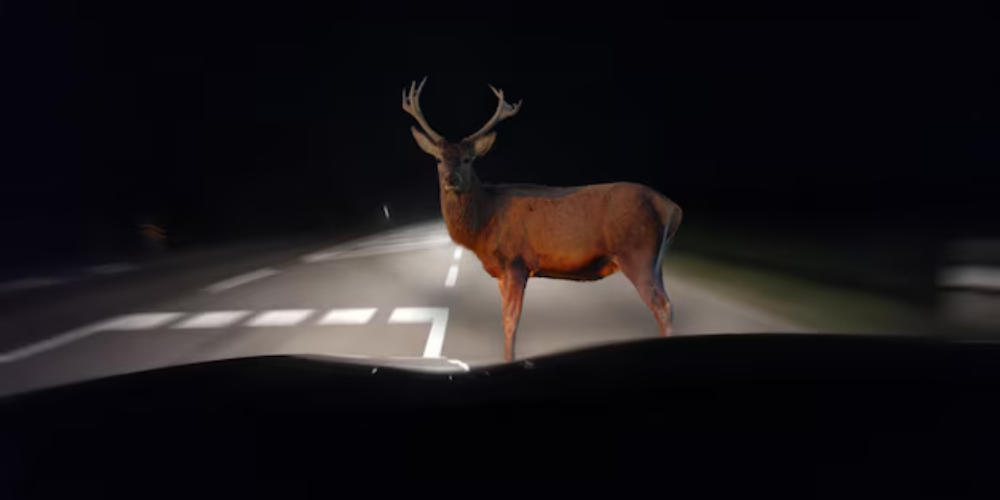
What to Do If You Hit a Deer While Driving — Safety Guide
Deer activity increases dramatically from October to December, especially during the mating season. During these months, drivers often find themselves facing unexpected encounters on roads and highways. With deer crossing more frequently at dawn and dusk, the likelihood of accidents rises sharply. Whether driving through rural backroads or wooded highways, it’s crucial to stay alert and know exactly what to do if a deer suddenly jumps into your path.
Although hitting a deer can be frightening, staying calm and taking the right steps immediately can make a major difference. Joshua Branch, Founder and Personal Injury Attorney at the Law Offices of Joshua W. Branch, emphasizes that quick, thoughtful action protects both drivers and the animals involved.
1. Pull Over Safely and Turn On Hazard Lights
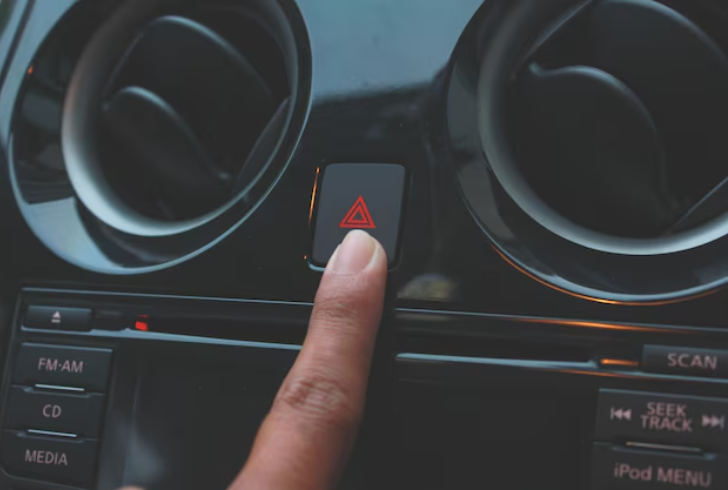
Freepik | EyeEm | If you hit a deer, move off the road and turn on your hazards right away.
The first step after hitting a deer is to pull over to a safe location. Even if the impact seems minor, stopping right away helps prevent further danger.
“Whether you spotted the deer too late or it appeared out of nowhere, move your vehicle to the shoulder and switch on your hazard lights,” Branch advises. “Doing this keeps you visible to other drivers, especially when it’s dark or foggy.”
Before stepping out, check for oncoming traffic. Remaining aware of your surroundings ensures you stay out of harm’s way while assessing the situation.
2. Stay Calm and Think Clearly
Hitting a deer is shocking for anyone, but keeping a clear head is essential. Panic often leads to poor decisions. Branch notes that staying calm allows you to properly evaluate any injuries or damage.
He explains, “When drivers remain composed, they’re able to handle the situation safely. Avoid standing in traffic lanes and move carefully if you leave your car.”
Taking deep breaths and observing your environment calmly can help you stay in control until help arrives.
3. Check on the Deer from a Distance
Many drivers instinctively want to check on the animal, but caution is key. While deer often seem docile, they can behave unpredictably after an accident.
Branch explains, “A deer that’s injured or in shock might kick or thrash suddenly. It’s safer to keep a distance and avoid touching it.”
If the deer appears severely injured or blocking traffic, contact local animal control or wildlife services. They have the proper training and equipment to handle the situation humanely and safely.
4. Call for Help and Report the Accident
After checking that you’re safe, make the necessary calls. Depending on the severity of the accident, notify the police, your insurance provider, or animal control.
Branch suggests, “If the deer runs off but your vehicle is damaged or you’re injured, contact 911. Some states legally require you to report certain types of accidents, especially when there’s major property damage or personal injury.”
If your car is undrivable, turn on hazard lights and wait for roadside assistance in a secure spot. Avoid standing between lanes or behind your vehicle.
Ways to Reduce the Risk of Hitting a Deer
While not every accident can be avoided, some driving habits can lower the chances of hitting a deer. Awareness and prevention go a long way, especially during peak deer movement months.
1. Reduce Your Speed in High-Risk Areas
Speed plays a major role in accident severity. Slowing down through wooded areas or roads marked with deer crossing signs gives you more time to react.
“Deer are most active during dawn and dusk,” says Branch. “If you’re driving through areas where deer are common, especially near creeks or forests, lowering your speed can minimize potential damage and keep everyone safer.”
Even a small reduction in speed can drastically change the outcome of an unexpected encounter.
2. Use High Beams When Safe
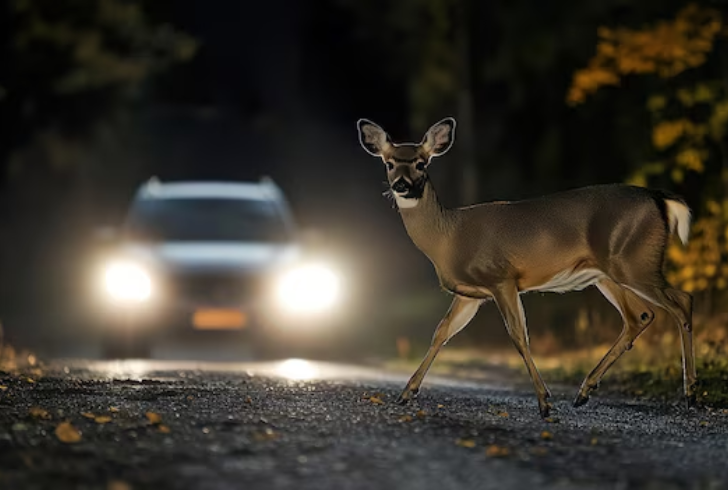
Freepik | lucegrafiar | Use your high beams wisely to spot deer early and stay safe on the road.
Good visibility is one of your best defenses. When driving at night, use your high beams whenever possible—just remember to dim them for oncoming traffic.
According to Branch, “Bright beams help you spot a deer’s reflective eyes from a distance. But if a deer suddenly appears, never swerve sharply. That move can lead to a far more serious crash.”
Instead, brake firmly and keep control of your vehicle. Maintaining a straight path usually results in less severe damage than swerving off the road or into another lane.
3. Stay Alert and Avoid Distractions
Distraction is one of the biggest factors in animal-related accidents. Whether adjusting the radio, checking a GPS, or reaching for a drink, a momentary lapse in attention can be dangerous.
“Deer rarely travel alone,” Branch explains. “If one crosses, more are likely following close behind. Stay alert and ready to slow down if you spot one nearby.”
Keeping both hands on the wheel, eyes on the road, and mind focused significantly lowers risk—especially in areas with dense vegetation where animals can appear suddenly.
Deer collisions can happen instantly, but preparation makes all the difference. Knowing how to respond helps reduce panic and damage. From slowing down and using high beams to contacting authorities, each step promotes safer roads.
Awareness and calm action protect both drivers and wildlife. Accidents are unpredictable, but preparation and caution turn a stressful moment into a manageable one.
More inDriving
-
`
 Why Removing Chinese Hardware Could Disrupt the U.S. Auto Industry
The U.S. auto industry is entering a new chapter. This time, the challenge is not electric vehicles, battery technology, or self-driving...
August 6, 2026 -
`
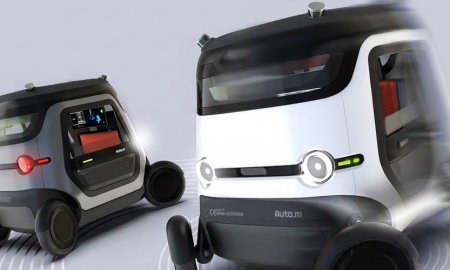 Auto.m Autonomous Taxi Concept Wins 2026 Red Dot Award
Cities are exploring new ways to improve transportation as demand grows for cleaner, smarter, and more convenient mobility solutions. Autonomous vehicles...
August 1, 2026 -
`
 Olympic Cyclist Pleads Guilty to Driving While Banned After Crash That Killed His Wife
Former Olympic cyclist Rohan Dennis has admitted to driving while disqualified, adding another chapter to a case that has drawn attention...
July 30, 2026 -
`
 Tesla’s Miami Robotaxi Launch Is Big News, but Will It Lift TSLA Stock?
Tesla continues to attract attention from both active traders and long-term investors, making TSLA one of the most closely watched stocks...
July 26, 2026 -
`
 All the Reasons Why You Shouldn’t Blindly Follow AI Money Advice
Artificial intelligence has quickly become part of everyday life. People now use AI to write emails, plan vacations, answer questions, and...
July 24, 2026 -
`
 Financial Advice From Millionaires That Could Actually Hurt Your Wallet
Money advice from millionaires often sounds convincing because it comes from people who have already built wealth. Still, success does not...
July 19, 2026 -
`
 Do You Really Need Rental Car Insurance? A Deeper Look
Renting a car feels simple until the person at the counter starts asking about insurance. Many travelers freeze at that moment...
July 17, 2026 -
`
 What Qualifies a Vehicle for Classic Car Insurance?
Owning a classic car is about more than preserving an older vehicle. Many enthusiasts appreciate vintage automobiles because they are easier...
July 12, 2026 -
`
 NHTSA Launches ‘Special Investigation’ After Fatal Tesla Crash Into Texas Home
A deadly Tesla crash in Texas is now at the center of a federal safety investigation. The U.S. National Highway Traffic...
July 8, 2026
More From CashRoadster
-
 Why ‘Moneymaxxing’ Can Boost Your Savings but Going Too Far Can Cost You More Than It Saves!
Saving money has a new social media name, and it sounds much more exciting than balancing a budget. The trend is...
AdviceOctober 15, 2026 -
 Simone Biles Says Three Masked Men Stole Her Six-Figure Porsche
Simone Biles has shared details about a frightening incident that happened during her final months in Chicago. The Olympic gold medalist...
AdviceOctober 10, 2026 -
 How to Lower Your Car Insurance Premium Without Dropping Essential Coverage?
Car insurance can feel painfully expensive, especially when your driving record has not changed. You renew the same policy, drive the...
Car InsuranceOctober 8, 2026 -
 California Proposes New Auto Insurance Rules for Single Drivers
California drivers could see a change in how auto insurance companies set premiums. Insurance Commissioner Ricardo Lara has announced a proposed...
Car InsuranceOctober 4, 2026 -
 Credit Acceptance Pays $710 Million to Settle Predatory Auto Lending Claims
One of America’s largest subprime auto lenders has agreed to a massive settlement over allegations that it put financially vulnerable drivers...
Auto NewsOctober 1, 2026
You must be logged in to post a comment Login