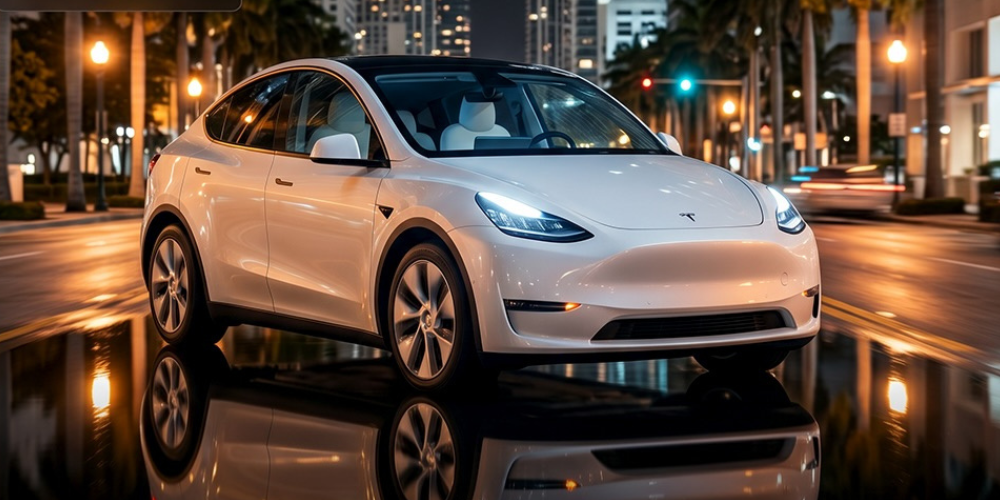
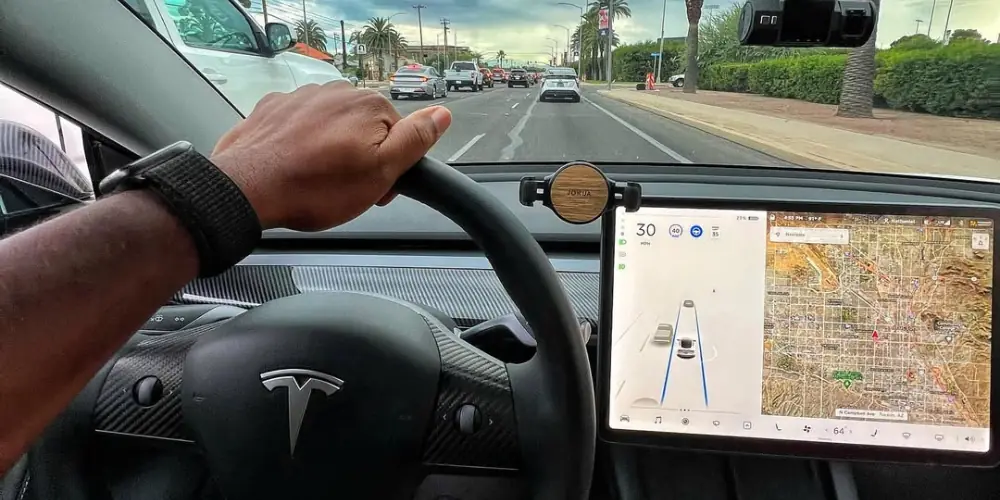
Tesla has taken a new step in the ride-hailing industry by applying for a permit to operate a human-driven service in California. Despite years of promising fully autonomous robotaxis, the company will initially rely on human drivers for this service.
Tesla’s Ride-Hailing Plans in California
In 2023, Elon Musk announced that Tesla would introduce unsupervised self-driving in Texas and California by the second quarter of 2025. However, recent developments suggest a different approach. Instead of launching a fully autonomous ride-hailing service, Tesla plans to introduce an internal fleet of human-driven vehicles, similar to existing services like Uber and Lyft.
Tesla’s application does not include a request for a permit to operate driverless vehicles. The company’s communication with California officials referenced driver’s license requirements and drug-testing protocols, confirming its intent to employ human drivers, at least during the initial phase.
How Tesla’s Approach Compares to Competitors
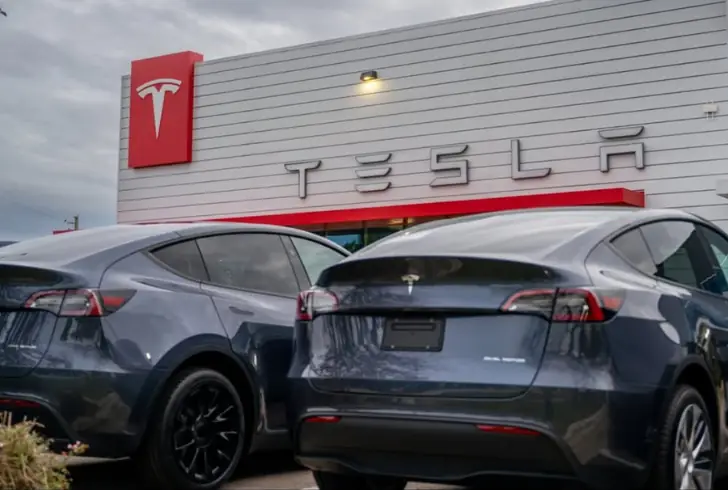
Tesla’s strategy mirrors the business model of ride-hailing companies like Uber and Lyft rather than that of Waymo, Alphabet’s autonomous taxi division. While Tesla has approval to test autonomous vehicles with safety drivers in California, it has not applied for a driverless testing or deployment permit from the state’s Department of Motor Vehicles (DMV).
Companies like Waymo and Cruise have already secured permits to operate autonomous ride-hailing services. In contrast, Tesla remains in the testing phase, working to refine its Full Self-Driving (FSD) system before transitioning to a fully autonomous fleet.
Tesla’s Progress on Full Self-Driving Technology
Musk continues to express confidence in Tesla’s ability to achieve full autonomy. He recently stated that the company expects to reach unsupervised self-driving capability in California by the end of the year. However, this claim has been made repeatedly since 2016, with no concrete results.
Currently, Tesla’s FSD system achieves about 500 miles per disengagement, meaning human intervention is required roughly every 500 miles. In comparison, to be considered safer than human drivers, Tesla estimates the system must reach 700,000 miles per disengagement. This significant gap highlights the challenges the company faces in achieving true self-driving capabilities.
A Step Toward Autonomy or a Delayed Promise?
Tesla’s move into human-operated ride-hailing could serve as a stepping stone toward autonomy, allowing the company to establish a presence in the market before deploying driverless vehicles. Still, critics argue that this shift represents yet another delay in Tesla’s long-promised robotaxi vision.
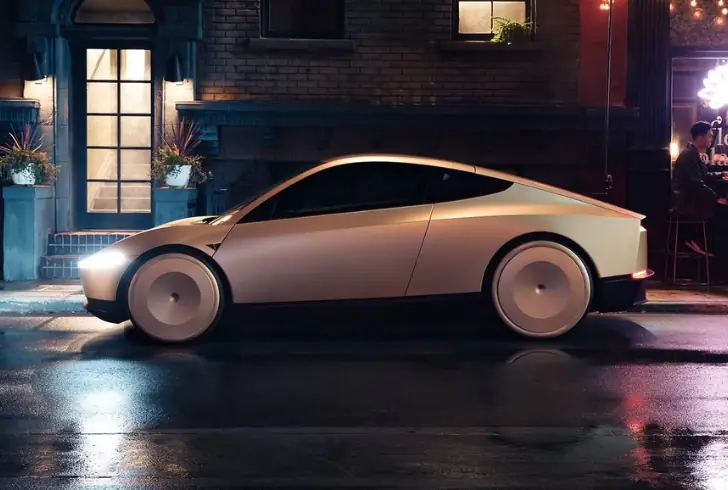
Industry experts describe this move as a goalpost shift, noting that Tesla’s current plan closely resembles what Waymo has already implemented—five years later. Although Tesla remains a leader in electric vehicles, its self-driving promises have yet to materialize into a fully operational service.
What This Means for Tesla’s Future
By launching a human-operated ride-hailing service, Tesla is testing the infrastructure and demand for future robotaxis. The company is likely using this phase to collect data, improve software, and refine operational logistics.
If Tesla successfully transitions to an autonomous fleet, it could revolutionize the ride-hailing industry. However, with regulatory hurdles and technological challenges still ahead, the timeline for true self-driving Tesla taxis remains uncertain.
The Road Ahead for Tesla’s Ride-Hailing Service
Tesla’s latest move reflects a practical shift in its ride-hailing ambitions. While the company continues to promise autonomous driving, its immediate focus remains on building a human-operated fleet.
The success of this service will depend on regulatory approvals, technological advancements, and consumer acceptance. Until Tesla achieves full autonomy, its ride-hailing venture will compete directly with established services, relying on human drivers to navigate the industry’s challenges.