
Tesla Files for Ride-Hailing Service in California, Featuring Human Drivers
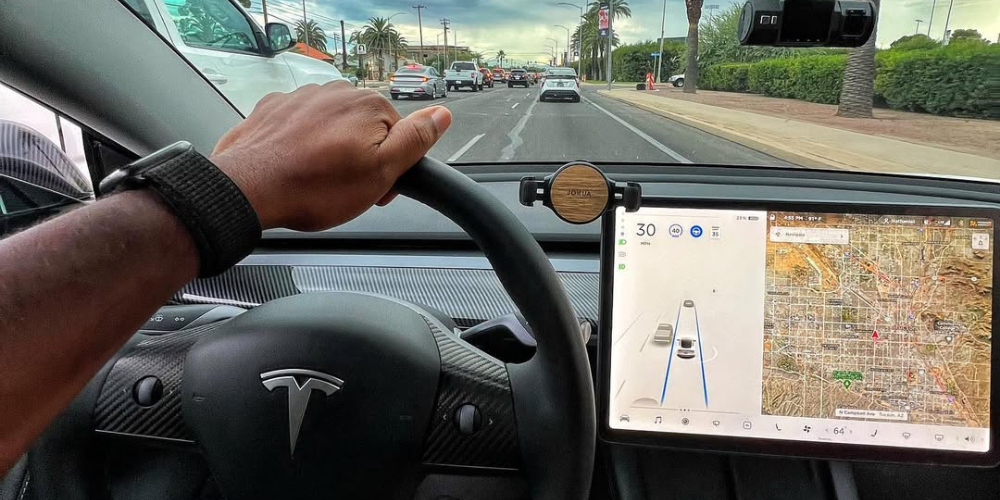
Tesla has taken a new step in the ride-hailing industry by applying for a permit to operate a human-driven service in California. Despite years of promising fully autonomous robotaxis, the company will initially rely on human drivers for this service.
Tesla’s Ride-Hailing Plans in California
In 2023, Elon Musk announced that Tesla would introduce unsupervised self-driving in Texas and California by the second quarter of 2025. However, recent developments suggest a different approach. Instead of launching a fully autonomous ride-hailing service, Tesla plans to introduce an internal fleet of human-driven vehicles, similar to existing services like Uber and Lyft.
Tesla’s application does not include a request for a permit to operate driverless vehicles. The company’s communication with California officials referenced driver’s license requirements and drug-testing protocols, confirming its intent to employ human drivers, at least during the initial phase.
How Tesla’s Approach Compares to Competitors
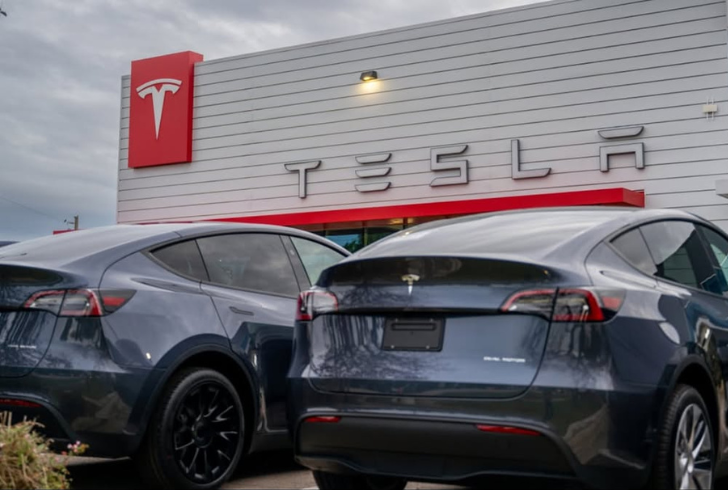
Instagram | jackfroot | Tesla tests self-driving cars while Waymo and Cruise lead autonomous ride services.
Tesla’s strategy mirrors the business model of ride-hailing companies like Uber and Lyft rather than that of Waymo, Alphabet’s autonomous taxi division. While Tesla has approval to test autonomous vehicles with safety drivers in California, it has not applied for a driverless testing or deployment permit from the state’s Department of Motor Vehicles (DMV).
Companies like Waymo and Cruise have already secured permits to operate autonomous ride-hailing services. In contrast, Tesla remains in the testing phase, working to refine its Full Self-Driving (FSD) system before transitioning to a fully autonomous fleet.
Tesla’s Progress on Full Self-Driving Technology
Musk continues to express confidence in Tesla’s ability to achieve full autonomy. He recently stated that the company expects to reach unsupervised self-driving capability in California by the end of the year. However, this claim has been made repeatedly since 2016, with no concrete results.
Currently, Tesla’s FSD system achieves about 500 miles per disengagement, meaning human intervention is required roughly every 500 miles. In comparison, to be considered safer than human drivers, Tesla estimates the system must reach 700,000 miles per disengagement. This significant gap highlights the challenges the company faces in achieving true self-driving capabilities.
A Step Toward Autonomy or a Delayed Promise?
Tesla’s move into human-operated ride-hailing could serve as a stepping stone toward autonomy, allowing the company to establish a presence in the market before deploying driverless vehicles. Still, critics argue that this shift represents yet another delay in Tesla’s long-promised robotaxi vision.
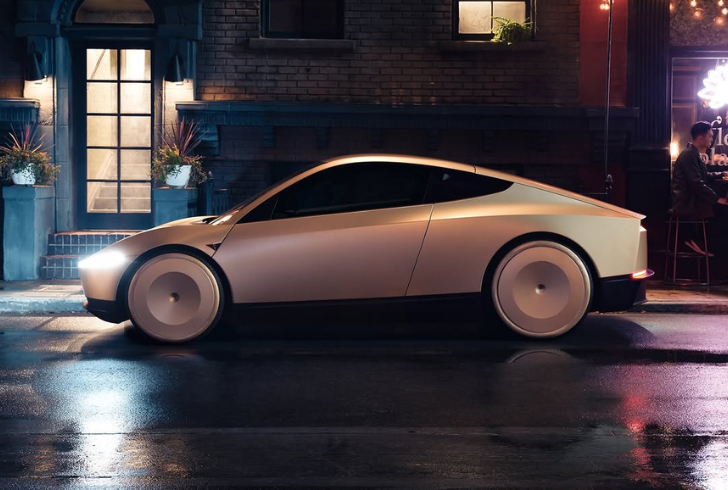
Instagram | timesofindia.auto | Tesla is moving closer to launching robo taxis but is facing challenges ahead.
Industry experts describe this move as a goalpost shift, noting that Tesla’s current plan closely resembles what Waymo has already implemented—five years later. Although Tesla remains a leader in electric vehicles, its self-driving promises have yet to materialize into a fully operational service.
What This Means for Tesla’s Future
By launching a human-operated ride-hailing service, Tesla is testing the infrastructure and demand for future robotaxis. The company is likely using this phase to collect data, improve software, and refine operational logistics.
If Tesla successfully transitions to an autonomous fleet, it could revolutionize the ride-hailing industry. However, with regulatory hurdles and technological challenges still ahead, the timeline for true self-driving Tesla taxis remains uncertain.
The Road Ahead for Tesla’s Ride-Hailing Service
Tesla’s latest move reflects a practical shift in its ride-hailing ambitions. While the company continues to promise autonomous driving, its immediate focus remains on building a human-operated fleet.
The success of this service will depend on regulatory approvals, technological advancements, and consumer acceptance. Until Tesla achieves full autonomy, its ride-hailing venture will compete directly with established services, relying on human drivers to navigate the industry’s challenges.
More inDriving
-
`
 IEA Urges Consumers to Reduce Fuel Use Amid Middle East Tensions
The global energy market is facing a surge in oil prices, fueled by geopolitical tensions and supply disruptions. The International Energy...
April 4, 2026 -
`
 How Choosing the Right IDV Can Save You Money on Car Insurance
Buying a car is a milestone for many families. It brings convenience, independence, and comfort. Alongside this joy comes the responsibility...
March 27, 2026 -
`
 Car Theft Is Dropping, But These Car Models Are Still at Risk
Car theft in the United States has started to decline. According to a Mercury Insurance report using National Insurance Crime Bureau...
March 20, 2026 -
`
 New Bill Proposes Major Changes to Roundabout Driving Laws
Kansas drivers may soon face new rules for navigating roundabouts. Currently, using a turn signal when changing lanes or exiting a...
March 13, 2026 -
`
 Do You Need Financial Advice for Elderly Care Planning?
Arranging care for an aging parent or relative often brings emotional strain and financial pressure at the same time. Families must...
March 7, 2026 -
`
 Why Car Insurance Premiums Are Dropping (But Not Everywhere!)
After several years of steep increases, car insurance rates finally show signs of relief in 2025. However, the improvement does not...
February 26, 2026 -
`
 Canada Unveils New Auto Industry Strategy, Shifts Away From U.S.
Canada is recalibrating its auto policy at a pivotal moment for North American manufacturing. Prime Minister Mark Carney introduced a new...
February 21, 2026 -
`
 Van Driver Loses License After Blaming Dog for Railway Station Crash
A morning crash at a busy railway station in North Yorkshire ended with a driving ban after a van driver blamed...
February 14, 2026 -
`
 How Thermal Imaging Helps Homeowners Cut Energy Bills and Emissions
Rising energy costs and growing climate concerns have made home efficiency a priority for many households. In parts of southwest England,...
February 5, 2026
More From CashRoadster
-
 Mitsubishi Ends its U.S. Pickup Hiatus With Nissan-sourced Truck Aimed at Toyota Tacoma & Chevy Colorado
Mitsubishi is getting ready for a major comeback in the United States. After years of sitting on the sidelines in key...
Auto NewsJune 12, 2026 -
AISD-77 fallback smoke aisd-77-smoke-72138678
Verifying the WordPress publisher’s auth-fallback cascade. This draft post can be deleted.
June 10, 2026 -
AISD-77 fallback smoke aisd-77-smoke-7c83fc49
Verifying the WordPress publisher’s auth-fallback cascade. This draft post can be deleted.
June 10, 2026 -
 Android Auto’s Next Update Signals a Major Shift in In-Car Experience
Driving interfaces are starting to feel less like basic infotainment systems and more like connected smart devices. Google’s latest Android Auto...
Auto NewsJune 7, 2026 -
 Tesla Officially Launches Its Full Self-Driving (FSD) Package in China
Tesla has finally crossed a major hurdle in China. After years of regulatory roadblocks, speculation, and industry chatter, the company has...
DrivingJune 6, 2026
You must be logged in to post a comment Login