
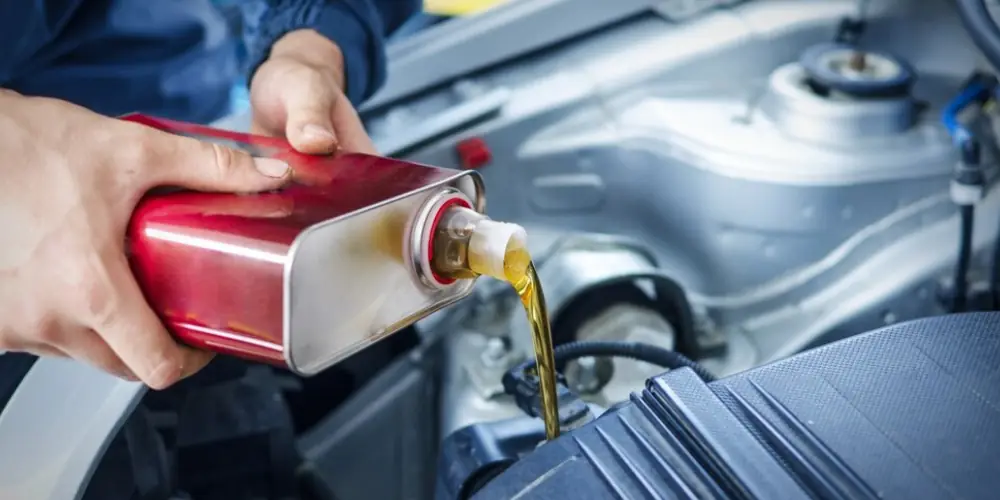
Maintaining your vehicle’s engine health is crucial for its longevity, and one of the simplest yet most important aspects of this maintenance is regular oil changes. If you’re wondering how long your car can go without an oil change, the answer isn’t as straightforward as a single number; it depends on various factors, such as the type of oil your vehicle uses, your driving habits, and even the climate you drive in.
Understanding Modern Oil Change Intervals
In the past, the rule of thumb was to change your oil every 3,000 miles. However, advances in engine technology and oil formulations have extended this interval significantly. Today, most vehicles can safely run between 5,000 to 7,500 miles before needing an oil change. If your car uses synthetic oil, you may even be able to stretch that to 10,000 or 15,000 miles.

But remember, these are just general guidelines. For the most accurate information, consult your vehicle’s owner’s manual, which will provide the manufacturer’s recommended oil change interval for your specific make and model.
Factors That Influence Oil Change Frequency
While the general mileage guidelines work for many drivers, several factors can necessitate more frequent oil changes:
- Driving Conditions – Regularly driving in stop-and-go traffic, especially in urban areas, can put more strain on your engine, requiring more frequent oil changes.
- Short Trips – If most of your trips are under five miles in normal temperatures or ten miles in freezing conditions, your engine oil may not get hot enough to burn off moisture, which can lead to sludge buildup.
- Environment – Dusty, sandy, or gravelly roads can introduce contaminants into your engine, dirtying your oil faster.
- Heavy Loads – Towing trailers or carrying heavy cargo puts additional strain on your engine, leading to quicker oil degradation.
These factors highlight the importance of not just sticking to a generic oil change interval but also considering how and where you drive.
Warning Signs Your Car Needs an Oil Change

Even if you’re vigilant about following your vehicle’s oil change schedule, certain signs indicate you might need to change your oil sooner than expected. Paying attention to these signs can prevent long-term damage to your engine:
1. Oil Color and Consistency
Fresh oil is typically amber-colored and translucent. As it circulates through your engine, it picks up dirt and debris, turning darker and thicker. If the oil on your dipstick is dark and gritty, it’s time for a change.
2. Burning Oil Smell
A distinct burning oil smell inside your car can signal a leak or that your oil is overdue for a change.
3. Engine Noises
Oil lubricates the moving parts of your engine. If the oil is old and no longer doing its job, you might hear knocking or clunking noises as metal parts grind against each other. This is a serious warning sign that your engine needs attention immediately.
4. Dashboard Warning Lights
Most modern vehicles are equipped with an oil change light or a check engine light that comes on when there’s a problem with your oil. Ignoring these warnings can lead to significant engine damage.
Proactive Oil Maintenance
Regular oil changes are a small investment with significant returns. By staying proactive, you can ensure your engine runs smoothly, improve fuel efficiency, and extend the lifespan of your vehicle. While it’s easy to focus on the mileage, it’s equally important to consider your driving habits and the signs your car gives you.
How Long Can You Go Without an Oil Change?
Ultimately, the answer to the question “How long can you go without an oil change” hinges on your specific circumstances. For most drivers, following the manufacturer’s guidelines will suffice, but if you frequently find yourself in severe driving conditions, it’s wise to err on the side of caution and change your oil more frequently.