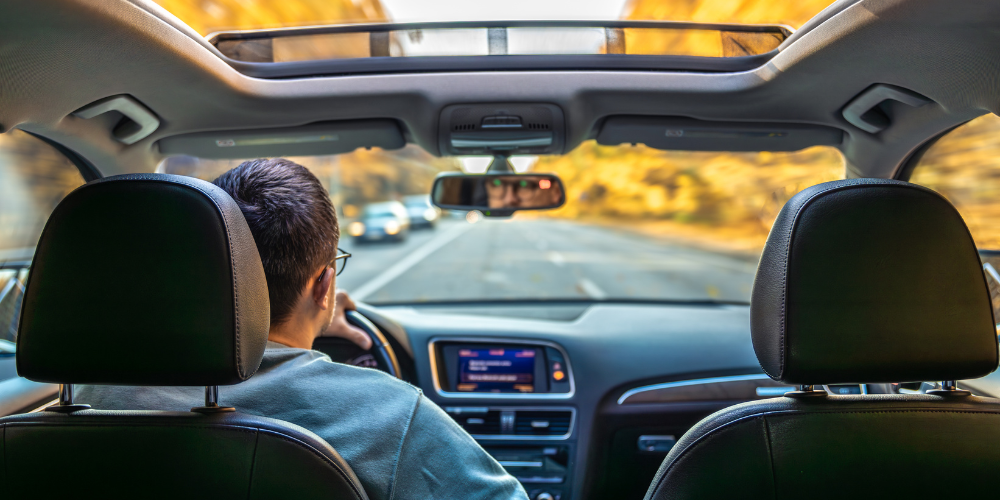

A common misunderstanding about auto insurance often leaves drivers confused when accidents happen. Many people assume that their car insurance covers them personally, but in reality, most car insurance policies follow the car, not the driver.
This means when someone borrows a vehicle, they also borrow the coverage tied to it. If that person crashes, the owner’s policy typically becomes the first line of defense for any damages or injuries.
Still, insurance coverage isn’t always black and white. Several key factors like permission, driver eligibility, and policy details, can change how coverage applies in specific situations.
The Rule of Permissive Use
When a vehicle owner gives someone permission to drive their car, that person becomes a permissive driver. In most states, permissive drivers receive temporary coverage under the owner’s policy. So, if a friend or relative borrows the car and causes an accident, the owner’s insurance usually covers the damages, within the policy limits.

However, exceptions exist:
1. Non-permissive use – If someone drives without the owner’s permission, such as a car thief, the policy won’t apply. That person becomes fully liable for any damage.
2. Excluded drivers – Some drivers are specifically excluded on a policy. If they drive the car and crash, the insurance company won’t pay for the claim.
3. Unlicensed or suspended drivers – Letting an unlicensed driver use your car can lead to denied claims and even fines for the vehicle owner.
4. Commercial use – Personal policies usually exclude business purposes like ridesharing or deliveries unless you carry additional commercial coverage.
These distinctions highlight why lending a car should never be taken lightly.
How Different Coverage Types Apply
Car insurance isn’t a single blanket policy. Each type of coverage functions differently, and understanding them can prevent major financial surprises.
1. Liability Coverage
Liability insurance protects the driver from costs related to injuries or property damage caused to others. In cases where a driver borrows someone else’s vehicle, liability coverage usually follows the driver, not the car.
Typical limits appear as three numbers like, 25/50/15 representing:
$25,000 for injury per person
$50,000 for injury per accident
$15,000 for property damage
If you drive another person’s car and cause a crash, your liability policy can cover damages to others, depending on your policy’s terms.
2. Collision and Comprehensive Coverage
These coverages generally follow the car itself. Collision coverage pays for damage to the insured vehicle after an accident with another object, such as another car or a fence. Comprehensive insurance covers non-collision events such as weather-related damage, theft, and vandalism.
So, when a permissive driver damages your car, your policy still applies. You’d pay the deductible, and your insurer would handle the rest, as long as the incident fits within your coverage.
3. Medical Payments and Personal Injury Protection
Medical Payments (MedPay) and Personal Injury Protection (PIP) help cover medical expenses after an accident. These coverages can differ by state, but generally, they follow the policyholder, not the vehicle. PIP, available in “no-fault” states, can also cover lost wages and rehabilitation costs, no matter who caused the accident.
When Secondary Coverage Comes Into Play
Sometimes, both the owner’s and the driver’s policies can apply. If a permissive driver crashes a borrowed vehicle, the owner’s insurance acts as the primary policy, while the driver’s insurance becomes secondary.
For example, if total damages cost $20,000 but the owner’s policy covers only $15,000, the driver’s insurance may cover the remaining $5,000. If the driver has no insurance, the owner could end up responsible for everything above the policy limit.
This setup makes it critical to verify that anyone borrowing your car carries their own active insurance.
Smart Steps Before Lending Your Vehicle
Handing over your keys comes with real financial risks. Before saying yes, take a few precautions to stay protected:
1. Know the driver well – Only lend your car to someone with a good driving record and valid license.
2. Discuss the deductible – Agree in advance on who will handle the deductible if an accident occurs.
3. Check your policy – Make sure your insurance includes permissive driver coverage and review exclusions carefully.
4. Track your rates – Even if someone else causes the crash, your premium might increase after filing a claim.
These steps help prevent misunderstandings that could lead to higher costs or denied claims later.
Car insurance can seem confusing, but the golden rule remains simple: insurance follows the vehicle, not always the driver. Understanding how coverage types work, especially liability, collision, and comprehensive, helps avoid surprises when accidents happen.
Before anyone borrows your car, think twice, review your policy, and set clear boundaries. With the right awareness and responsible choices, both you and your car stay safer on the road.