

Everything You Ought to Know About Car Insurance in Texas
Texas drivers cover millions of miles every day. They go through packed highways in Houston, long stretches of interstate roads in West Texas, and crowded city streets in Dallas, Austin, and San Antonio. With more vehicles on the road, rising repair costs, and frequent weather-related claims, having the right car insurance has never been more important.
Many car owners in Texas buy coverage, file the paperwork away, and never look at it again. That can be a costly mistake. Understanding how car insurance works in Texas helps you get the right protection and avoid paying more than necessary.
Texas Car Insurance Rules You Need to Know
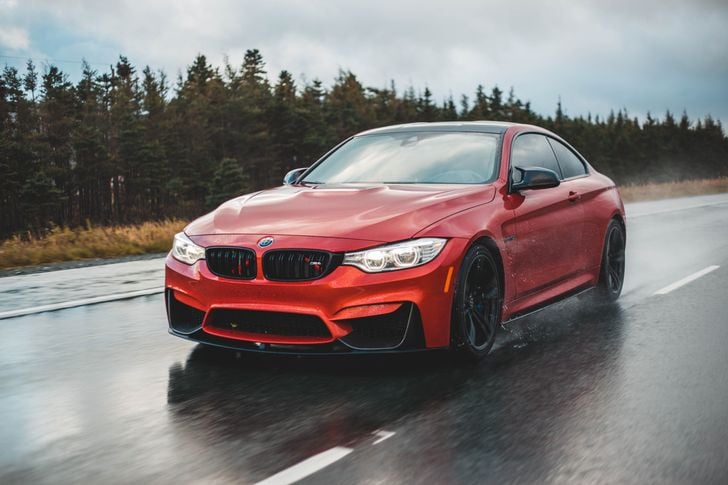
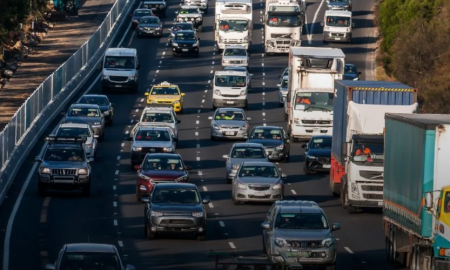
Intro / Pexels / Texas law requires every car owner to carry a minimum amount of liability insurance. This coverage pays for damage and injuries you cause to others in an accident.
Remember, it does not pay for your own vehicle repairs or medical bills.
The state’s minimum requirement is often called 30/60/25 coverage. That means up to $30,000 for injuries per person, $60,000 for injuries per accident, and $25,000 for property damage. While these limits meet legal requirements, they may not fully cover the costs of a serious accident.
Many drivers assume minimum coverage is enough because it keeps monthly payments low. The problem appears when damages exceed policy limits. If that happens, you may have to pay the remaining costs yourself.
Insurance companies also offer uninsured and underinsured motorist coverage. This protection helps if another driver causes an accident and lacks enough insurance. Considering the number of uninsured drivers on Texas roads, this coverage can provide valuable peace of mind.
What Affects Car Insurance Rates in Texas?
Insurance rates are not random. Companies look at several factors before deciding how much to charge. Your driving history is one of the biggest influences. Drivers with accidents or traffic violations often pay higher premiums.
Age and driving experience also matter. Younger drivers usually face higher rates because they are statistically more likely to be involved in accidents. Drivers with years of safe driving often qualify for lower premiums.
Plus, where you live can make a surprising difference. Drivers in large cities often pay more because traffic is heavier and accident risks are higher. Areas with higher theft rates can also lead to increased premiums.
The vehicle you drive plays a role as well. Luxury vehicles, sports cars, and models with expensive repair costs generally cost more to insure. Cars with strong safety ratings and advanced safety features often receive better rates.
Your credit-based insurance score may also affect pricing in Texas. Insurers use this information to help predict risk. Maintaining good credit can sometimes lead to lower insurance costs.
Choose the Coverage That Fits Your Needs

Olly / Pexels / Collision coverage will help you pay for repairs to your vehicle after an accident, regardless of who caused it.
Comprehensive coverage protects against events that do not involve a collision. This includes theft, hail damage, vandalism, falling objects, and certain weather-related incidents. In a state known for severe storms, comprehensive coverage can be especially valuable.
Personal injury protection, AKA PIP, helps cover medical expenses and lost wages after an accident. This coverage can help you recover financially while focusing on your health.
Drivers with newer vehicles often benefit from broader coverage because repair and replacement costs can be high. Owners of older vehicles sometimes choose a different approach based on the vehicle’s value and their financial situation.
Remember, the best policy is the one that balances protection and affordability. Paying slightly more for stronger coverage today can save you from major expenses later.
More inCar Insurance
-
`
 Why Removing Chinese Hardware Could Disrupt the U.S. Auto Industry
The U.S. auto industry is entering a new chapter. This time, the challenge is not electric vehicles, battery technology, or self-driving...
August 6, 2026 -
`
 Auto.m Autonomous Taxi Concept Wins 2026 Red Dot Award
Cities are exploring new ways to improve transportation as demand grows for cleaner, smarter, and more convenient mobility solutions. Autonomous vehicles...
August 1, 2026 -
`
 Olympic Cyclist Pleads Guilty to Driving While Banned After Crash That Killed His Wife
Former Olympic cyclist Rohan Dennis has admitted to driving while disqualified, adding another chapter to a case that has drawn attention...
July 30, 2026 -
`
 Tesla’s Miami Robotaxi Launch Is Big News, but Will It Lift TSLA Stock?
Tesla continues to attract attention from both active traders and long-term investors, making TSLA one of the most closely watched stocks...
July 26, 2026 -
`
 All the Reasons Why You Shouldn’t Blindly Follow AI Money Advice
Artificial intelligence has quickly become part of everyday life. People now use AI to write emails, plan vacations, answer questions, and...
July 24, 2026 -
`
 Financial Advice From Millionaires That Could Actually Hurt Your Wallet
Money advice from millionaires often sounds convincing because it comes from people who have already built wealth. Still, success does not...
July 19, 2026 -
`
 Do You Really Need Rental Car Insurance? A Deeper Look
Renting a car feels simple until the person at the counter starts asking about insurance. Many travelers freeze at that moment...
July 17, 2026 -
`
 What Qualifies a Vehicle for Classic Car Insurance?
Owning a classic car is about more than preserving an older vehicle. Many enthusiasts appreciate vintage automobiles because they are easier...
July 12, 2026 -
`
 NHTSA Launches ‘Special Investigation’ After Fatal Tesla Crash Into Texas Home
A deadly Tesla crash in Texas is now at the center of a federal safety investigation. The U.S. National Highway Traffic...
July 8, 2026
More From CashRoadster
-
 Why ‘Moneymaxxing’ Can Boost Your Savings but Going Too Far Can Cost You More Than It Saves!
Saving money has a new social media name, and it sounds much more exciting than balancing a budget. The trend is...
AdviceOctober 15, 2026 -
 Simone Biles Says Three Masked Men Stole Her Six-Figure Porsche
Simone Biles has shared details about a frightening incident that happened during her final months in Chicago. The Olympic gold medalist...
AdviceOctober 10, 2026 -
 How to Lower Your Car Insurance Premium Without Dropping Essential Coverage?
Car insurance can feel painfully expensive, especially when your driving record has not changed. You renew the same policy, drive the...
Car InsuranceOctober 8, 2026 -
 California Proposes New Auto Insurance Rules for Single Drivers
California drivers could see a change in how auto insurance companies set premiums. Insurance Commissioner Ricardo Lara has announced a proposed...
Car InsuranceOctober 4, 2026 -
 Credit Acceptance Pays $710 Million to Settle Predatory Auto Lending Claims
One of America’s largest subprime auto lenders has agreed to a massive settlement over allegations that it put financially vulnerable drivers...
Auto NewsOctober 1, 2026
You must be logged in to post a comment Login