

Why Liability Auto Insurance Is Required but Full Coverage Isn’t
Car insurance rules often feel uneven. One part is enforced by law, while another is left to personal choice or financial agreement with a lender. The difference comes down to responsibility on the road versus protection of personal assets. That gap explains why liability coverage is required almost everywhere, while full coverage stays optional.
Liability auto insurance sits at the center of driving laws in the United States. Nearly every state requires it because it protects people outside the driver’s vehicle. It covers costs tied to harm or damage caused to others during an accident.
This protection typically includes two key parts:
1. Bodily injury liability
Helps pay medical expenses for other drivers, passengers, or pedestrians when an accident is caused.
2. Property damage liability
Covers repair or replacement costs for another person’s vehicle or damaged property.
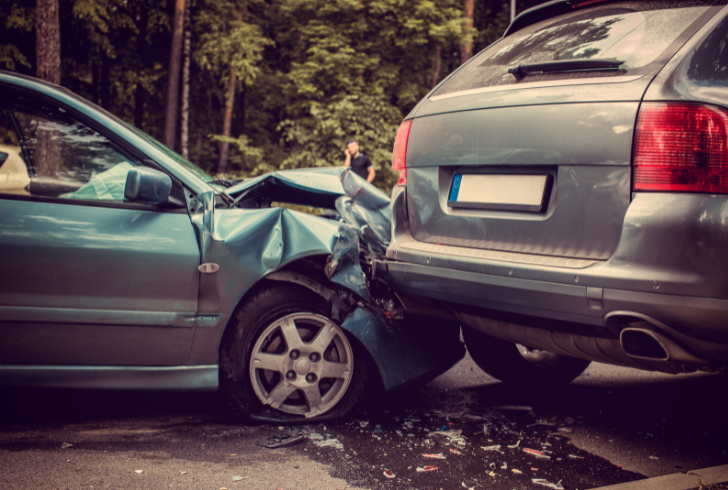
Freepik | Most states legally require liability insurance to cover third-party damages in an accident.
The focus remains public protection. Governments aim to ensure that injured parties are not left without financial support after a crash. Responsibility for personal vehicle damage, however, is treated differently. New Hampshire stands as the only exception, where liability insurance is not mandatory, though drivers must still prove financial ability to cover potential damages.
Why Full Coverage Is Not a Requirement
The term “full coverage” often creates confusion. It is not an official insurance product. Instead, it is a broad label used for a combination of policies, usually including liability, collision, and comprehensive insurance bundled together.
Only liability coverage carries legal weight because it protects others on the road. The remaining components focus on the driver’s own vehicle, which is why states do not require them.
Collision coverage handles repair or replacement costs for a vehicle after an accident involving another vehicle or object. If the car is declared a total loss, the policy helps cover its value.
Comprehensive coverage applies to non-collision situations. This includes events such as theft, fire, vandalism, or weather-related damage. These protections focus on personal property, not third-party harm, which keeps them outside state mandates.
Both coverages are optional under law, yet they often appear in bundled insurance plans.
When Lenders Require Full Coverage
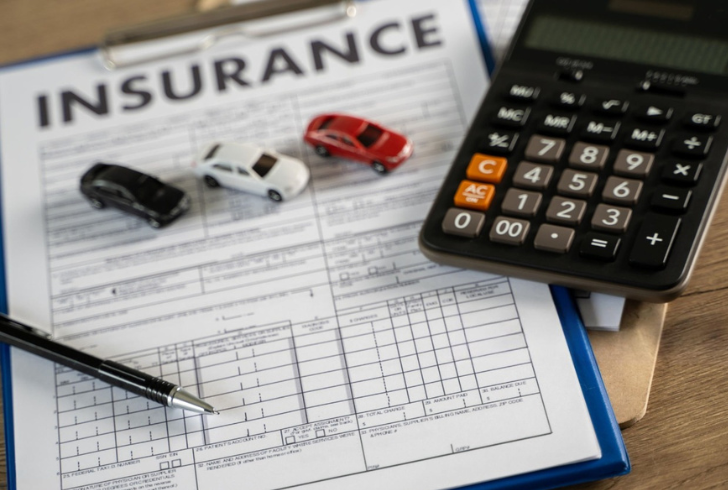
Pexels | Vehicle choice directly impacts long-term insurance costs, as some brands are cheaper to insure.
Vehicle financing changes the rules. When a car is leased or financed, the lender holds a financial interest until the loan is fully paid. To protect that investment, lenders typically require both collision and comprehensive coverage in addition to liability.
Once the loan is cleared, this requirement ends. At that stage, some vehicle owners choose to reduce coverage, especially for older cars where repair costs may outweigh the vehicle’s value.
Insurance costs also vary based on the vehicle itself. Consumer Reports notes that certain car brands tend to be cheaper to insure, making vehicle choice another factor in long-term insurance planning.
Is Full Coverage Always Necessary?
Full coverage is not required by law, but it can still offer financial protection depending on circumstances. If a vehicle is severely damaged or totaled in an at-fault accident, liability insurance will not pay for repairs or replacement of the driver’s own car.
A simple comparison often guides the decision:
Annual cost of collision and comprehensive coverage versus the potential out-of-pocket loss if the vehicle must be replaced.
This balance between risk and cost shapes most insurance decisions beyond the legal minimum.
Liability auto insurance remains mandatory because it protects others from financial loss after an accident. Full coverage, which blends collision and comprehensive protection, stays optional since it focuses on personal vehicle damage rather than public safety.
While not required by law, additional coverage often becomes part of lender agreements or personal financial planning. The final choice depends on risk tolerance, vehicle value, and long-term cost considerations.
More inCar Insurance
-
`
 Auto.m Autonomous Taxi Concept Wins 2026 Red Dot Award
Cities are exploring new ways to improve transportation as demand grows for cleaner, smarter, and more convenient mobility solutions. Autonomous vehicles...
August 1, 2026 -
`
 Olympic Cyclist Pleads Guilty to Driving While Banned After Crash That Killed His Wife
Former Olympic cyclist Rohan Dennis has admitted to driving while disqualified, adding another chapter to a case that has drawn attention...
July 30, 2026 -
`
 Tesla’s Miami Robotaxi Launch Is Big News, but Will It Lift TSLA Stock?
Tesla continues to attract attention from both active traders and long-term investors, making TSLA one of the most closely watched stocks...
July 26, 2026 -
`
 All the Reasons Why You Shouldn’t Blindly Follow AI Money Advice
Artificial intelligence has quickly become part of everyday life. People now use AI to write emails, plan vacations, answer questions, and...
July 24, 2026 -
`
 Financial Advice From Millionaires That Could Actually Hurt Your Wallet
Money advice from millionaires often sounds convincing because it comes from people who have already built wealth. Still, success does not...
July 19, 2026 -
`
 Do You Really Need Rental Car Insurance? A Deeper Look
Renting a car feels simple until the person at the counter starts asking about insurance. Many travelers freeze at that moment...
July 17, 2026 -
`
 What Qualifies a Vehicle for Classic Car Insurance?
Owning a classic car is about more than preserving an older vehicle. Many enthusiasts appreciate vintage automobiles because they are easier...
July 12, 2026 -
`
 NHTSA Launches ‘Special Investigation’ After Fatal Tesla Crash Into Texas Home
A deadly Tesla crash in Texas is now at the center of a federal safety investigation. The U.S. National Highway Traffic...
July 8, 2026 -
`
 “Grand Theft Auto VI” Cover Art Revealed
Rockstar Games gave fans a fresh look at “Grand Theft Auto VI” after releasing the game’s official cover art on Thursday....
July 5, 2026
More From CashRoadster
-
 Simone Biles Says Three Masked Men Stole Her Six-Figure Porsche
Simone Biles has shared details about a frightening incident that happened during her final months in Chicago. The Olympic gold medalist...
AdviceOctober 10, 2026 -
 How to Lower Your Car Insurance Premium Without Dropping Essential Coverage?
Car insurance can feel painfully expensive, especially when your driving record has not changed. You renew the same policy, drive the...
Car InsuranceOctober 8, 2026 -
 California Proposes New Auto Insurance Rules for Single Drivers
California drivers could see a change in how auto insurance companies set premiums. Insurance Commissioner Ricardo Lara has announced a proposed...
Car InsuranceOctober 4, 2026 -
 Credit Acceptance Pays $710 Million to Settle Predatory Auto Lending Claims
One of America’s largest subprime auto lenders has agreed to a massive settlement over allegations that it put financially vulnerable drivers...
Auto NewsOctober 1, 2026 -
 EV vs. Hybrid vs. Gas | Which Car Works Best for a Road Trip?
A long road trip can reveal differences that city driving often hides. Charging time, fuel stops, highway range, energy prices, and...
Auto NewsSeptember 27, 2026
You must be logged in to post a comment Login